SpaceX scores another $950 million from NASA for 3 more crewed flights to ISS
Source Entity
US Top News and Analysis
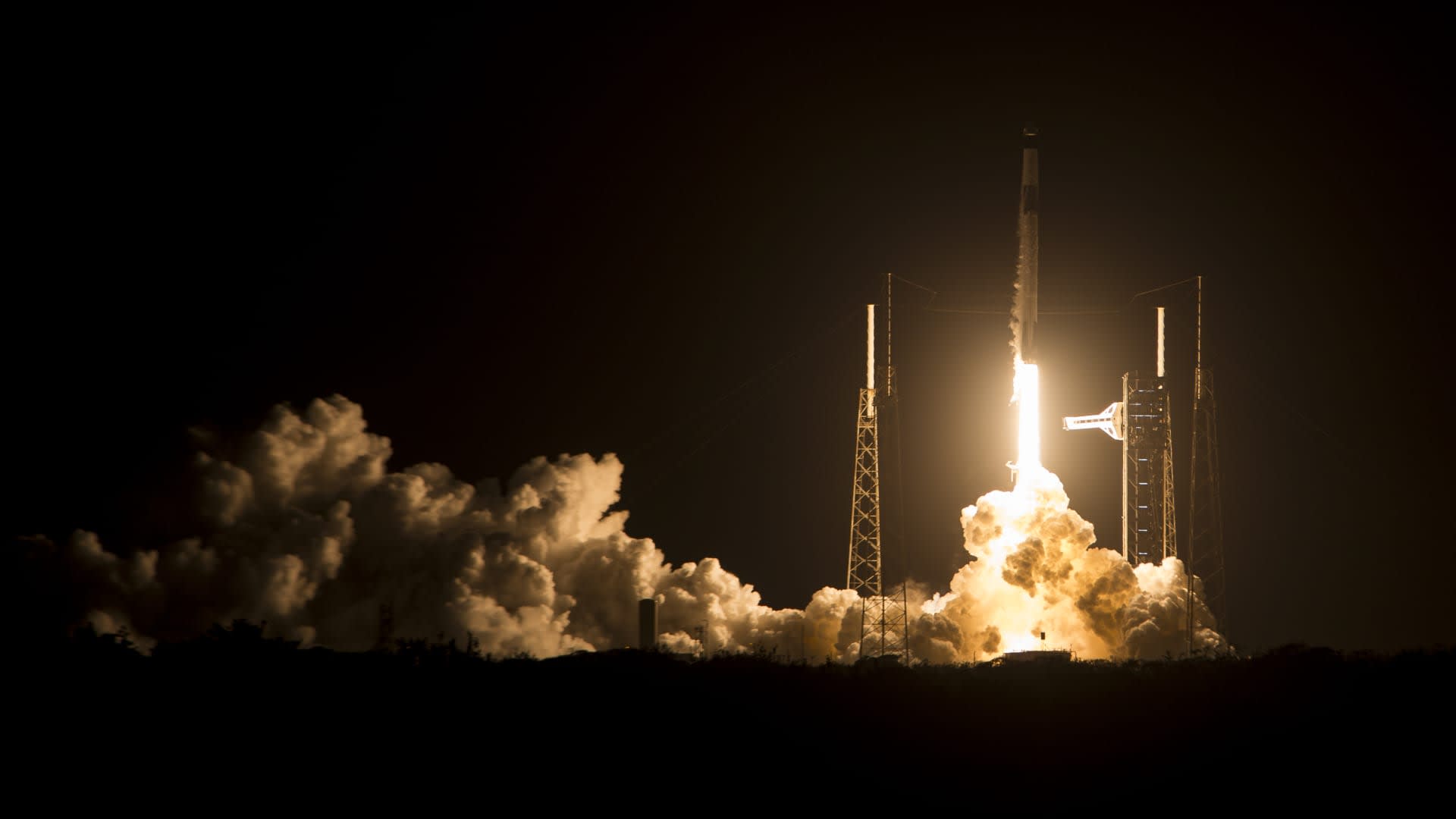
NASA has awarded SpaceX a $946 million contract extension for three additional crewed Dragon missions to the International Space Station. This deal brings the total number of SpaceX operational flights under the Commercial Crew program to 17, ensuring transport through 2030.
SpaceX Secures Key NASA Contract Extension for ISS Operations
SpaceX has further solidified its status as the primary lifeline for the International Space Station (ISS) after securing an additional $946 million contract from NASA. This agreement facilitates three extra crewed Dragon missions, extending the company’s operational commitment to the orbiting laboratory through 2030. This development underscores the ongoing reliance of the United States space program on private industry to maintain a consistent human presence in low-Earth orbit.
Expanding the Commercial Crew Capability
The financial influx brings the total number of missions under the Commercial Crew Transportation Capability (CCtCap) contract to 17. By securing these additional flights, NASA ensures that the ISS remains fully staffed with international partners, including astronauts from the ESA and cosmonauts from Roscosmos. The recent success of missions like the Crew-12 launch on February 13, 2026, from Cape Canaveral, serves as a testament to the reliability of the Falcon 9 and Dragon architecture.
Strategic Importance of the Dragon Spacecraft
Since the retirement of the Space Shuttle fleet in 2011, the Dragon spacecraft has evolved from a cargo delivery vehicle into a workhorse for human spaceflight. The ability to launch crew members like Jessica Meir, Jack Hathaway, Sophie Adenot, and Andrey Fedyaev demonstrates a seamless integration of international space agencies. This contract extension is not merely a financial transaction; it is a critical logistical safeguard for the continued scientific research performed aboard the station.
Economic and Technical Implications
The $946 million award highlights the shift in NASA’s procurement model, moving from direct ownership of launch vehicles to purchasing transportation as a service. By utilizing SpaceX’s private infrastructure, NASA has been able to reduce costs while maintaining rigorous safety standards. This partnership has proven to be one of the most successful examples of public-private cooperation in aerospace history, allowing the government to focus on deeper space exploration goals like the Artemis program.
Future Trends and Sustainability
As the ISS approaches its projected retirement date around 2030, these final years of operation are crucial for transitioning to a new era of commercial space stations. SpaceX’s established rhythm of launches provides the stability needed for NASA to manage this transition while continuing to conduct vital experiments. The continued reliance on the Falcon 9 and Dragon series through the end of the decade suggests that private-sector innovation will remain the backbone of American orbital operations for the foreseeable future.
Conclusion
In summary, the expansion of the SpaceX contract represents a strategic alignment between NASA’s operational needs and the proven capability of the Dragon spacecraft. With 17 missions now on the docket, the partnership is set to maintain the continuity of scientific discovery in space until the decommissioning of the current ISS platform. This continued investment reinforces the indispensable role that private-sector partners play in the modern international space architecture.