Policy experts: Europe stuck between "rock and a hard place" on launch
Source Entity
Eric Berger
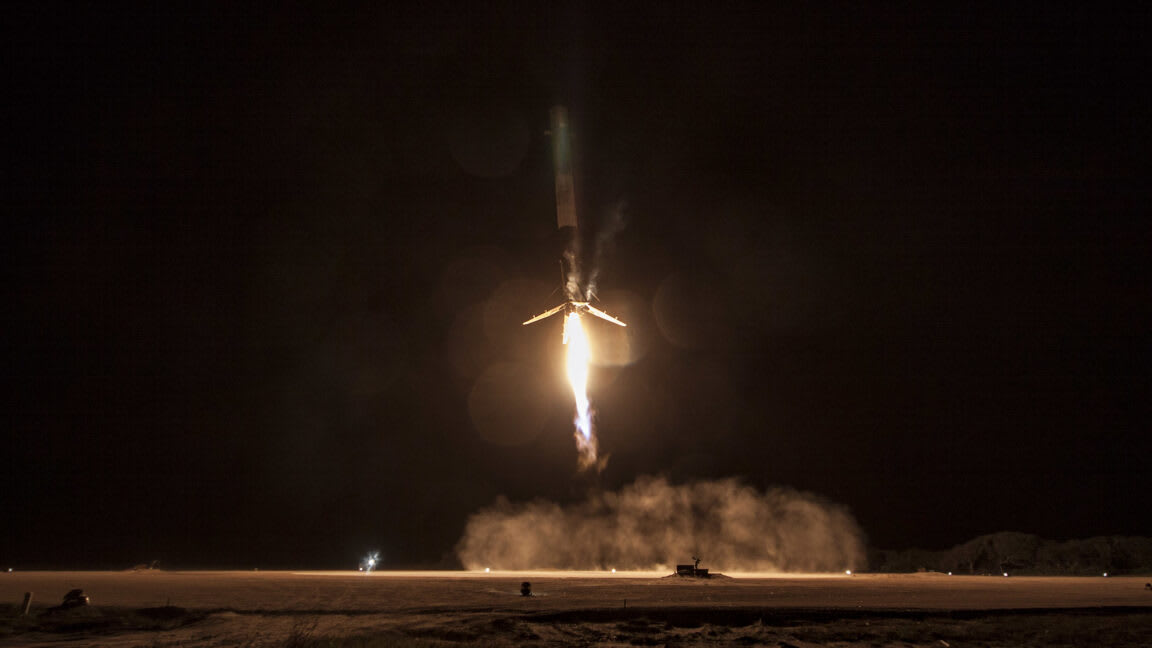
SpaceX's mastery of reusable rocket technology has disrupted the global launch market, leaving European competitors struggling to keep pace. The economic efficiency of the Falcon 9 has forced rivals to rely on SpaceX's services while highlighting a critical lack of viable, cost-effective alternatives.
The Paradigm Shift in Orbital Access
For decades, the aerospace industry operated under the assumption that rockets were strictly expendable assets. The introduction of SpaceX’s Falcon 9, characterized by its ability to land and reuse first-stage boosters, has fundamentally altered the economics of spaceflight. What began as a technical experiment a decade ago has matured into a high-cadence operational reality, with the company now executing hundreds of launches annually. This shift has not only reduced the marginal cost of reaching orbit but has also established a new benchmark for reliability and frequency that legacy providers have struggled to replicate.
The Economics of Reuse
The economic viability of rocket reuse is the primary driver of this market transformation. By reclaiming the most expensive component of the launch vehicle, SpaceX has achieved a level of cost efficiency that legacy launch providers, who rely on expendable architecture, simply cannot match. This financial advantage has allowed the company to capture more than three-quarters of all mass currently being placed into orbit. While a significant portion of this activity is dedicated to the deployment of the Starlink constellation, the sheer scale of these operations has created an infrastructure that is now indispensable to the broader global satellite economy.
Dependency and Market Concentration
The current state of the launch market reveals a profound paradox: SpaceX is simultaneously a dominant competitor and the primary service provider for its rivals. Companies such as Amazon, Northrop Grumman, AST Space Mobile, and OneWeb—entities that might otherwise compete with SpaceX’s own commercial interests—are now effectively forced to utilize the Falcon 9 for their own orbital deployments. This reliance underscores the lack of viable, high-cadence alternatives, effectively placing the global space industry in a state of dependency on a single provider's vehicle.
Europe’s Strategic Dilemma
For European space agencies and commercial entities, the situation is increasingly precarious. As policy experts have noted, Europe finds itself caught between a rock and a hard place. The continent’s historical reliance on institutional launch vehicles has been eclipsed by the rapid innovation and lower costs offered by the US-based SpaceX model. Without a comparable reusable vehicle, European space policy faces the difficult choice of either continuing to subsidize less efficient domestic solutions or outsourcing their critical national and commercial missions to a foreign competitor.
The Future of Orbital Logistics
The implications of this market concentration extend far beyond current satellite deployments. As research continues to quantify the extent to which the Falcon 9 has upended global launch dynamics, it is clear that the barrier to entry for new competitors has risen significantly. Future trends will likely be dictated by whether other global players can successfully engineer and deploy their own reusable systems. Until such alternatives reach the required cadence and cost efficiency, the global market will remain heavily tethered to the capabilities and scheduling of the existing SpaceX infrastructure.