SpaceX widens its lead in the space race, even as a tech selloff weighs on its stock
Source Entity
William Gavin
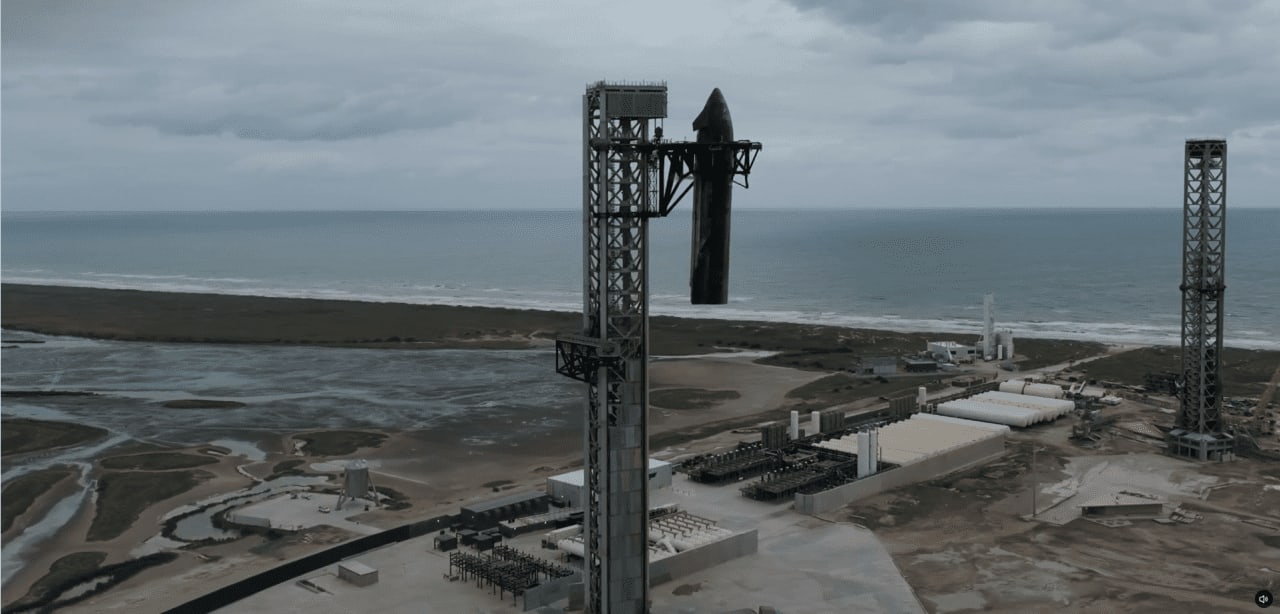
SpaceX has strengthened its dominance in the aerospace sector following a largely successful Starship launch. In contrast, Amazon's strategic space initiatives faced a significant setback, highlighting a growing performance gap.
The Expanding Chasm in Commercial Spaceflight
SpaceX continues to solidify its position as the undisputed leader in the global aerospace industry, underscored by the recent, largely successful flight test of its Starship vehicle. This latest milestone serves as a critical indicator of the company’s rapid iteration cycle—a hallmark of Elon Musk’s management philosophy that prioritizes real-world testing over traditional, more cautious aerospace development timelines. By achieving significant flight objectives, SpaceX is moving closer to realizing its vision of cost-effective, heavy-lift orbital logistics, further distancing itself from both legacy aerospace contractors and emerging private competitors.
The Divergent Paths of Industry Titans
While SpaceX celebrates its recent success, the broader space ecosystem is experiencing a notable divergence. Amazon’s partner in the satellite internet sector recently encountered a significant setback, illustrating the immense difficulty of executing complex space missions. This contrast is particularly striking given the competitive nature of the satellite constellation market. While SpaceX’s Starlink is already operational and scaling globally, Amazon’s Kuiper project remains in a developmental stage, making any technical failure a major hurdle for its long-term strategic timeline.
Market Volatility vs. Operational Reality
Interestingly, the aerospace sector is currently navigating a period of broader tech market volatility. Despite the successful Starship launch, SpaceX’s valuation and broader sector sentiment are being influenced by a wider tech selloff. This creates a disconnect between operational success and capital market perception. For investors, the challenge lies in distinguishing between short-term macro-economic trends that affect tech stocks and the long-term, high-barrier-to-entry milestones that SpaceX is consistently achieving.
Strategic Implications of Launch Success
SpaceX’s ability to conduct high-frequency, high-stakes launches is fundamentally altering the economics of space. Every successful flight test of Starship reduces the projected cost-per-kilogram to orbit, which directly threatens the business models of companies that rely on expensive, expendable launch vehicles. As SpaceX refines its rapid-reusability capabilities, the pressure on competitors like Amazon to accelerate their own timelines intensifies, potentially leading to increased R&D spending and higher operational risks.
Looking Toward a Commercialized Future
Looking ahead, the industry is poised for a transformative shift. The success of the Starship program is not merely a technical achievement; it is a catalyst for a new era of space-based commerce. As SpaceX continues to widen its lead, the burden of proof shifts to its competitors to demonstrate that they can overcome technical obstacles without the multi-year delays that have historically plagued the sector. Ultimately, the gap between SpaceX and its peers is now widening in real-time, creating a landscape where technical execution is the primary driver of market dominance.
Verification Required?