‘The fight is on’: Opposition targets govt over special Parliament sitting, calls it ‘assault’ on Constitution
Source Entity
Latest News: Todays Latest News Headlines from India & World | Hindustan Times
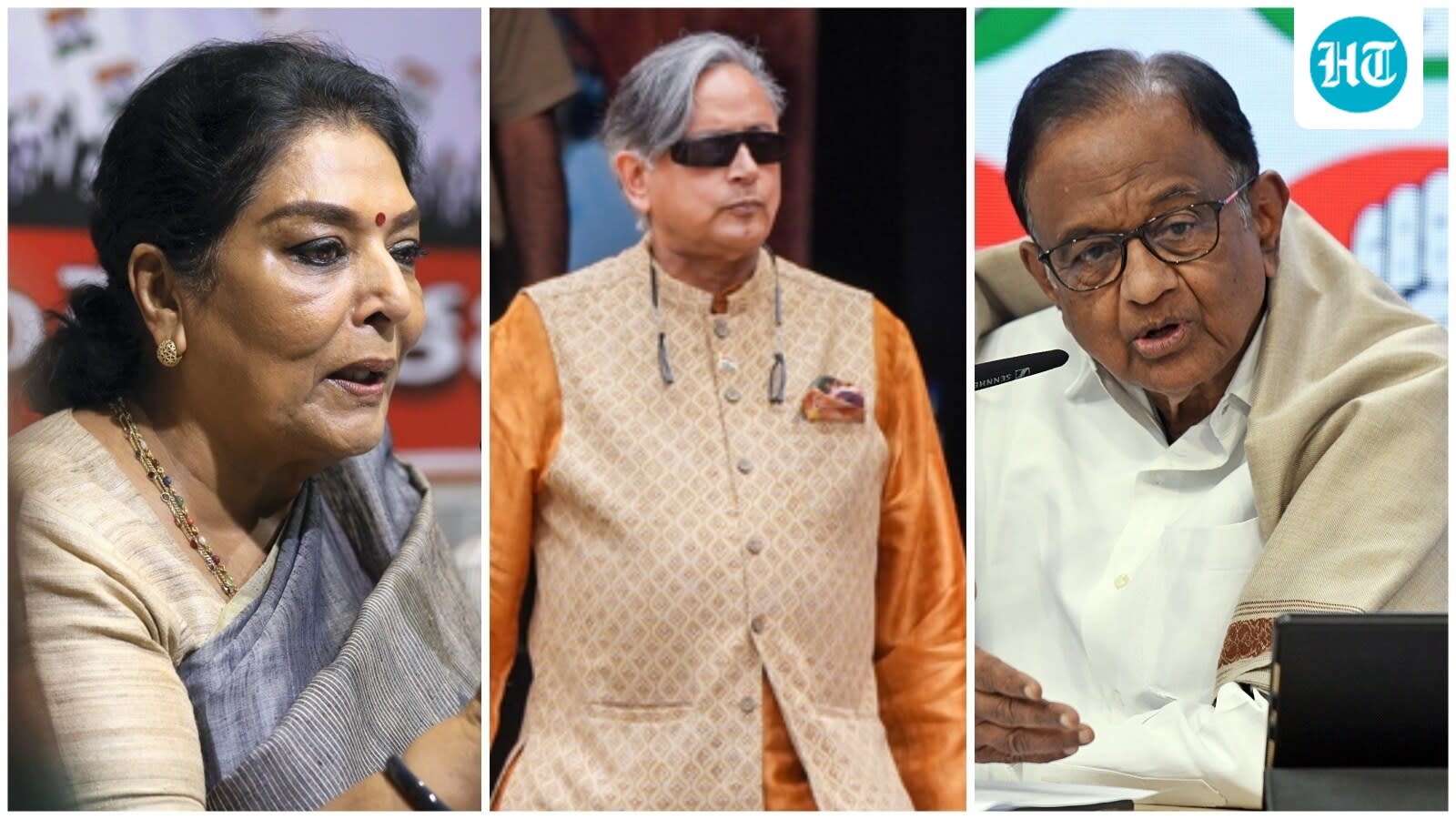
The government has scheduled a special parliamentary session from November 30 to December 3, 2026, to address the Constitution (131st Amendment) Bill. This session aims to revisit the failed proposal to increase Lok Sabha seats to 850 and implement a 33% women's reservation quota before the 2029 polls.
Special Parliament Session: Addressing Legislative Deadlock
The Indian government has officially proposed a special session of Parliament, scheduled to commence with the Lok Sabha on November 30 and the Rajya Sabha on December 2, 2026. This move, announced by Parliamentary Affairs Minister Kiren Rijiju, signals a renewed attempt to address essential government business that had previously stalled. The session is widely expected to focus on reviving the Constitution (131st Amendment) Bill, a pivotal piece of legislation that seeks to restructure the electoral landscape by expanding the Lok Sabha ceiling to 850 seats and codifying a 33% reservation for women.
The Historical Context of the 131st Amendment
The urgency surrounding this session stems from the significant legislative setback experienced in April 2026, when the 131st Amendment Bill failed to secure the necessary two-thirds majority in the Lok Sabha. This defeat was historic, marking the first time a constitutional amendment proposed by the National Democratic Alliance (NDA) government had been rejected since 2014. The collapse of this bill necessitated the subsequent withdrawal of two supplementary bills—one concerning delimitation based on the 2011 census and another addressing administrative changes in union territories, both of which were intrinsically linked to the larger restructuring plan.
Navigating the Delimitation and Quota Debate
The core of the upcoming debate rests on the intersection of electoral representation and social equity. By proposing an increase in the number of Lok Sabha seats, the government intends to account for population growth since the last major delimitation exercise. However, tying this expansion to a 33% women's reservation quota has created complex political friction. The aim is to have this legal framework firmly in place well before the 2029 general elections, ensuring that the next cycle of democratic representation reflects these structural shifts.
Opposition Concerns and Electoral Integrity
Beyond the constitutional amendments themselves, the atmosphere is charged with skepticism from opposition parties. A primary point of contention is the 'Special Intensive Revision' of electoral rolls. Opposition leaders have expressed deep concern that the current methodology for updating these rolls may be skewed, potentially undermining the fairness of future delimitation efforts. The government’s decision to prioritize these discussions suggests a tactical push to resolve these grievances through parliamentary debate rather than external pressure.
Strategic Implications for 2029
The success of this special session is critical for the government’s long-term legislative agenda. With the session scheduled to conclude on December 3, the timeline is tight. If passed, the legislation would represent a monumental shift in Indian parliamentary structure. Conversely, a second failure to pass the amendment would force the government to reconsider its approach to delimitation and its commitment to gender-based quotas, potentially delaying these reforms until well after the next general election cycle.
Conclusion: A Pivotal Moment for Governance
As the date for the special session approaches, the focus remains on whether the government can build the necessary consensus to overcome the hurdles that derailed the bill in April. The upcoming session is not merely a procedural event; it is a test of the government's ability to navigate constitutional requirements and address the valid concerns of the opposition regarding electoral transparency. The outcome of these days in late 2026 will undoubtedly shape the trajectory of India's legislative and electoral landscape for the remainder of the decade.
Multiple Citing Sources
Verification Required?