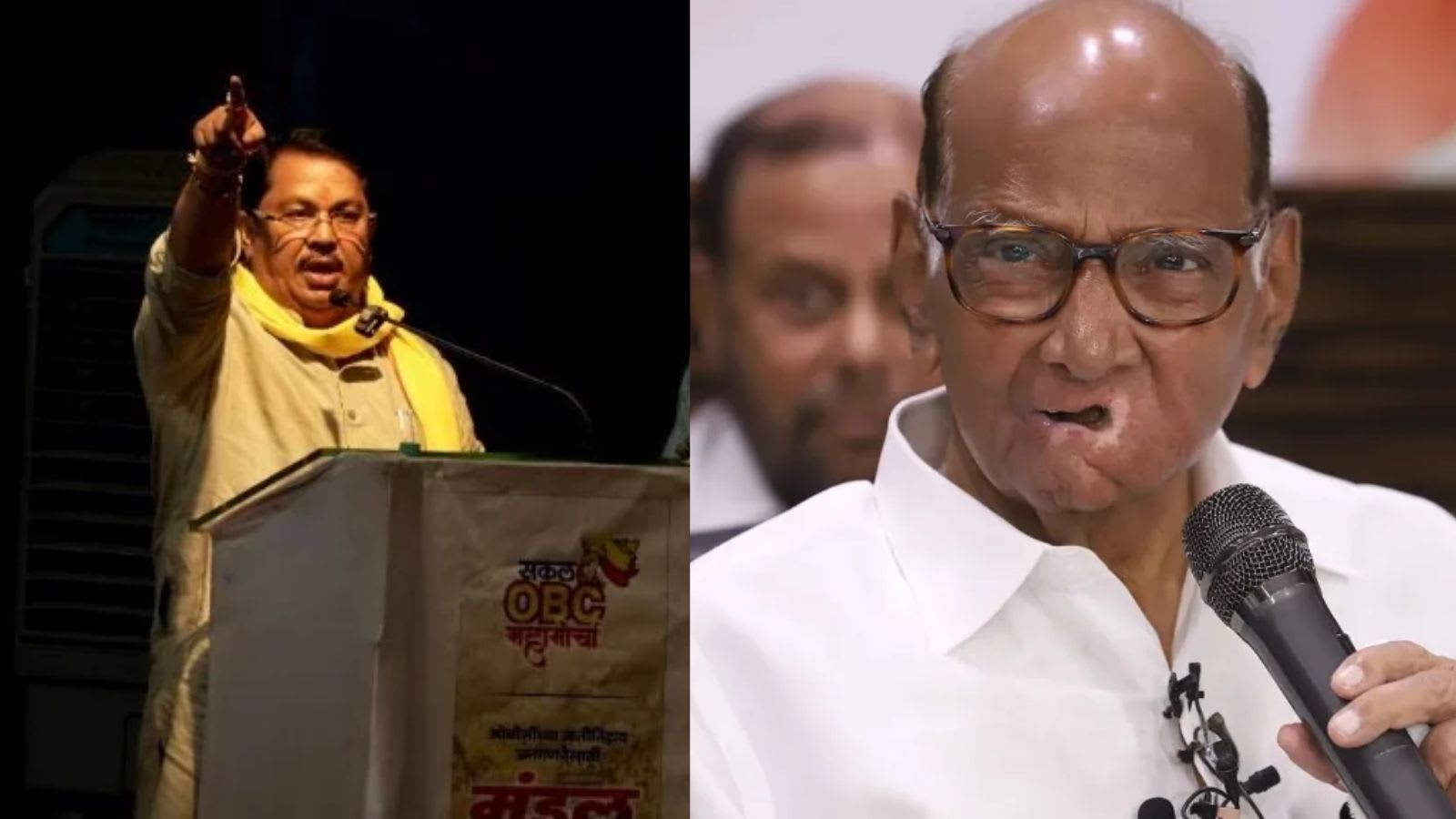
Two days before delimitation vote, MVA splits open: NCP (SP) wants apology from Congress
Source Entity
Alok Deshpande
The government has called a special Parliament session starting November 30, 2026, to revive discussions on delimitation and women's reservation. This move follows the previous failure of the 131st Constitution Amendment Bill to secure a required majority.
Special Parliament Session: A New Push for Legislative Reform
The Indian government has officially proposed a special session of Parliament, with the Lok Sabha scheduled to reconvene on November 30, 2026, and the Rajya Sabha on December 2, 2026. This parliamentary maneuver is aimed at addressing critical legislative business, with the spotlight firmly fixed on the contentious issues of delimitation and the implementation of 33% reservation for women. By setting this agenda, the administration is signaling a renewed commitment to its reformative goals despite previous setbacks.
The Shadow of the 131st Amendment
Central to this upcoming session is the fate of the Constitution (131st Amendment) Bill. This legislation aims to increase the ceiling of the Lok Sabha to 850 seats, a move inextricably linked to the goal of ensuring 33% women's representation in time for the 2029 general elections. The bill's previous failure to secure the necessary two-thirds majority in the Lok Sabha in April 2026 marked a historic moment, as it was the first constitutional amendment to be defeated under the current NDA administration since 2014. This defeat forced the government to withdraw associated bills regarding delimitation based on the 2011 census and administrative changes for Union Territories.
The Mechanics of Delimitation
Delimitation, the process of redrawing electoral boundaries, remains a highly sensitive topic in Indian politics. The government’s intent to link this to the 2011 census data has triggered significant apprehension among various political factions. Because delimitation directly impacts the political weight of different regions, the opposition has raised valid concerns regarding the fairness of the 'Special Intensive Revision' of electoral rolls. The government must now navigate these political tensions while attempting to build the necessary consensus that was lacking during the spring session.
Parliamentary Strategy and Opposition Concerns
Minister of Parliamentary Affairs Kiren Rijiju has directed ministers to prepare for intense debates and legislative proceedings. The government faces the complex task of reconciling the need for structural expansion of the Lok Sabha with the demographic and political anxieties of the opposition. The upcoming session is not merely about re-introducing a bill; it is a test of the government's ability to negotiate and secure the support of a broader spectrum of the house to pass a constitutional amendment that requires a high threshold of approval.
Broader Implications for 2029
The timeline for this session is critical. With the 2029 elections looming, the window to implement these constitutional changes is narrowing. If the government succeeds in passing these bills, it would represent a transformative shift in the composition of the Lok Sabha and a significant milestone for gender-based political inclusion. Conversely, failing to pass these measures again would likely stall the delimitation process for the foreseeable future, potentially impacting the electoral landscape for years to come.
Conclusion: A High-Stakes Legislative Maneuver
The special session represents a strategic pivot to resolve unfinished legislative business. By bringing the debate back to the floor, the government is forcing a showdown that will test the cohesion of the current Parliament. Whether this session leads to a successful passage of the 131st Amendment or further legislative deadlock remains the most significant question in Indian politics as the end of 2026 approaches.
Multiple Citing Sources