America's Fastest Spy Plane SR-71 Blackbird May Fly Again: Report
Source Entity
NDTV News Search Records Found 1000
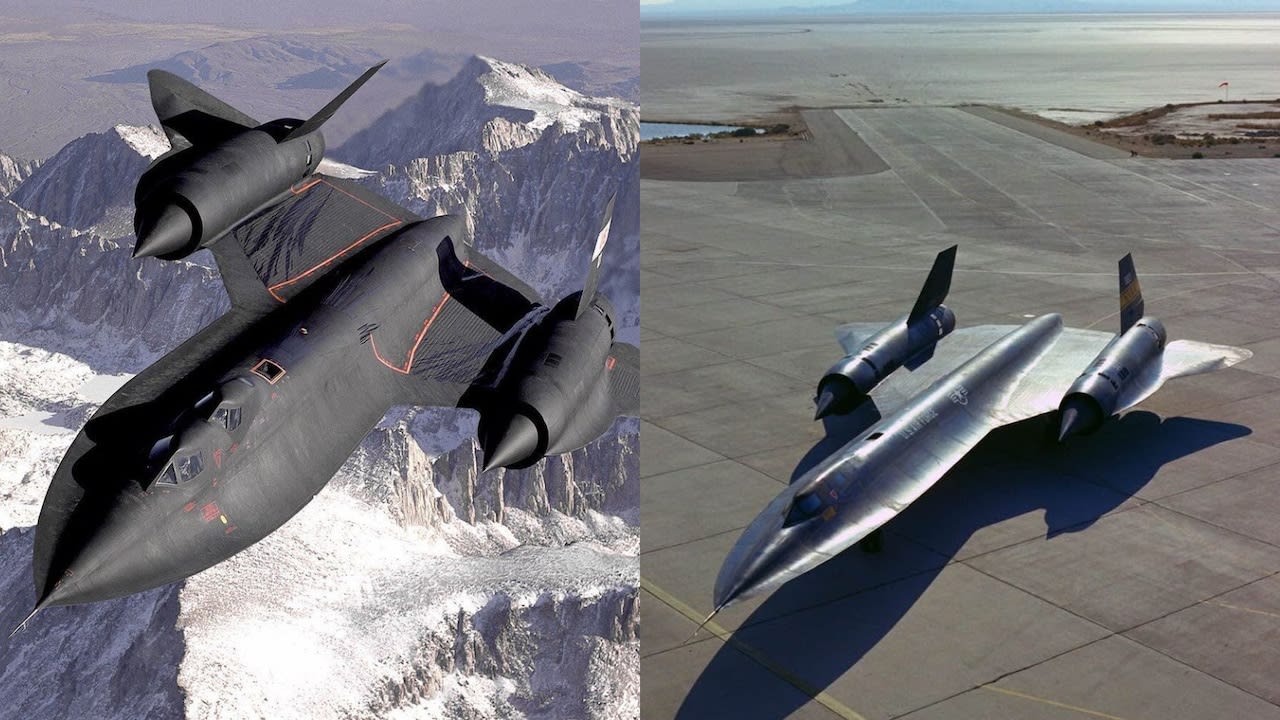
Reports suggest that the legendary SR-71 Blackbird, specifically Tail No. 844, may be slated for a potential return to flight. This aircraft holds a historic place in aviation and reconnaissance development.
The Potential Resurgence of the SR-71 Blackbird
Recent reports indicate a stirring of interest regarding the Lockheed SR-71 Blackbird, the legendary reconnaissance aircraft that once defined the pinnacle of Cold War-era aviation. Central to this discussion is Tail No. 844, a specific airframe that holds a storied and unique place in the history of the Blackbird program. As aerospace technology evolves, the curiosity surrounding whether such an iconic platform could return to the skies highlights the enduring legacy of Lockheed’s "Skunk Works" engineering.
The Historical Significance of Tail No. 844
Tail No. 844 is not merely another serial number in the SR-71 fleet; it represents a tangible link to the era when the United States pushed the boundaries of speed and altitude. The SR-71 was designed to fly at speeds exceeding Mach 3, operating at altitudes that made it virtually untouchable by contemporary interceptors and surface-to-air missiles. By focusing on this specific airframe, observers are looking back at a machine that served as a cornerstone of strategic intelligence gathering during the latter half of the 20th century.
Engineering Marvels and Modern Relevance
The SR-71 was a masterpiece of materials science, utilizing titanium alloys to withstand the extreme temperatures generated by high-speed friction. Its potential return, even in a limited or experimental capacity, invites a broader conversation about how modern flight systems compare to the raw performance metrics of the Blackbird. While today's reconnaissance relies heavily on satellite imagery and unmanned aerial vehicles, the speed and maneuverability of a piloted, high-altitude jet remain a subject of intense fascination for aerospace engineers.
Broader Implications for Aviation Strategy
If Tail No. 844 were to fly again, it would serve as a powerful testament to the longevity of mid-century aerospace design. Such a development would likely necessitate significant updates to avionics and engine management systems, bridging the gap between 1960s mechanical ingenuity and modern digital infrastructure. This potential project underscores a trend in military aviation where legacy platforms are re-evaluated for their unique physical characteristics that cannot be easily replicated by modern, stealth-focused airframes.
Future Trends in High-Speed Reconnaissance
Looking ahead, the interest in the SR-71 suggests a pivot back toward high-speed, high-altitude capabilities in global reconnaissance. As nations compete to develop hypersonic technologies, the lessons learned from the SR-71 program—specifically regarding thermal management and airframe integrity—remain highly relevant. The return of Tail No. 844 would not only be a triumph of restoration but a functional case study for the next generation of high-speed flight research.
Conclusion
The potential return of the SR-71 Blackbird, centered around the historic Tail No. 844, serves as a bridge between the heroic age of aerospace engineering and the future of hypersonic flight. While the practicalities of restoring such a complex machine are immense, the conversation itself validates the SR-71's status as one of the most significant aircraft ever built. Whether it takes to the sky again or remains a static reminder of American ingenuity, its place in history is secure.
Verification Required?