DMK president Stalin urges PM Modi to intervene over 1,857 vacant super-speciality medical seats
Source Entity
India Latest News: Top National Headlines Today & Breaking News | The Hindu
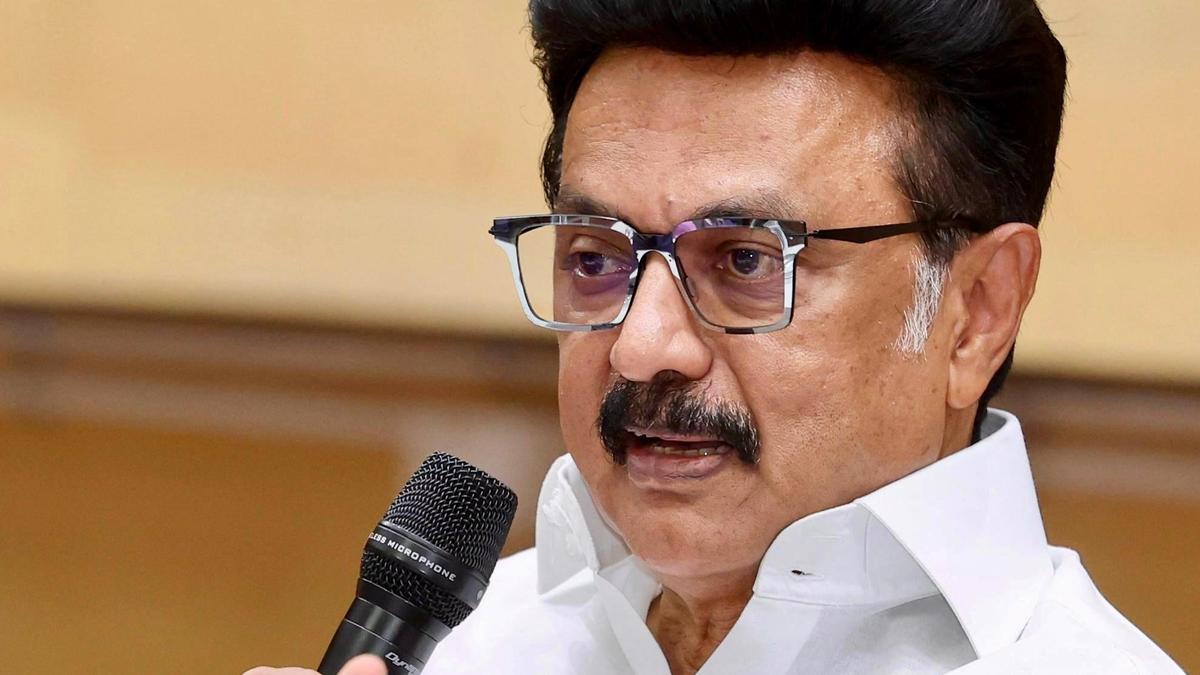
DMK leader M.K. Stalin has urged PM Modi to address the 1,857 vacant super-speciality medical seats nationwide. He argues that reducing the qualifying percentile is essential to fill these critical posts and prevent the loss of medical talent.
The Crisis of Vacant Super-Speciality Medical Seats
DMK president and former Tamil Nadu Chief Minister M.K. Stalin has brought national attention to a critical administrative failure within India’s medical education system. On September 11, 2026, he highlighted that 1,857 super-speciality medical seats remain unoccupied across the country. These seats represent a significant national asset, and their vacancy during a time of high demand for specialized healthcare suggests a breakdown in the regulatory process overseen by the Director General of Health Services (DGHS).
The Administrative Impasse
The root of this issue, as identified by Mr. Stalin, lies in the Union government’s rigid adherence to qualifying percentiles for medical entrance examinations. By failing to adjust these thresholds, the DGHS has effectively barred qualified candidates from filling these seats. In the context of India's healthcare landscape, where the ratio of super-specialists to the general population is already strained, leaving nearly two thousand seats empty is an indictment of current policy flexibility.
Regional Impact and Tamil Nadu's Specific Concerns
Tamil Nadu has been particularly vocal regarding this issue, with 40 seats specifically earmarked for in-service doctors left vacant. For a state known for its robust public health infrastructure, the loss of these seats represents a direct threat to the quality of care provided in government hospitals. These in-service doctors provide the backbone of the state's medical services, and their inability to pursue super-specialisation directly hampers the state's capacity to handle complex medical cases.
Legal Precedent and Judicial Intervention
Mr. Stalin’s appeal is bolstered by recent judicial developments. He noted that the Supreme Court of India recently directed a reduction in the qualifying percentile in the case of the Tamil Nadu Medical Officers Association. This judicial intervention underscores the necessity of a more pragmatic approach to medical admissions. The disconnect between the court's stance on accessibility and the DGHS's administrative inertia highlights a broader tension between rigid regulatory frameworks and the urgent need for medical manpower.
Broader Implications for Healthcare Infrastructure
The implications of this vacancy are profound. Super-specialists—such as cardiologists, neurologists, and oncologists—are essential for the secondary and tertiary care tiers of the Indian healthcare system. If these training seats go unfilled, the nation will face a localized shortage of experts in the coming years, further burdening an already exhausted public health sector. The failure to optimize the utilization of existing institutional capacity is a missed opportunity for national development.
Path Forward and Conclusion
To resolve this, the Union government must act with urgency to revise the qualifying percentiles as suggested by the Supreme Court’s directives. Ensuring that these seats are filled is not merely an administrative task; it is a public health imperative. As the country strives to improve its healthcare delivery, the alignment of policy with the ground reality of medical education capacity is non-negotiable. Prime Minister Modi’s intervention is required to bridge the gap between regulatory rigidity and the national need for more specialist doctors.
Verification Required?