Starbucks’s Snoopy cups and McDonald’s SpongeBob toys are commanding huge markups on eBay
Source Entity
Bill Peters
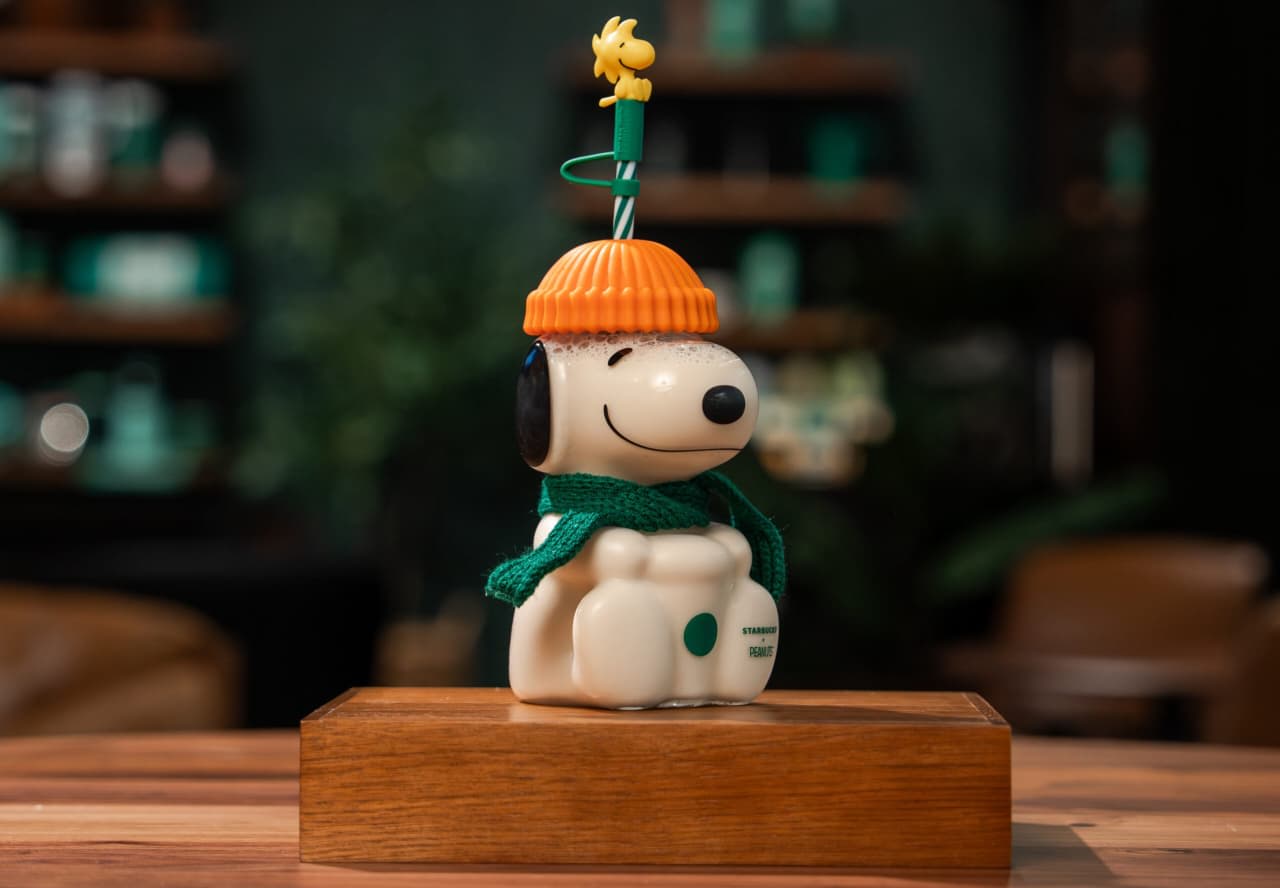
Promotional items like Starbucks's Snoopy cups and McDonald's SpongeBob toys are seeing massive price markups on eBay. Adults are driving this secondary market frenzy, fueled primarily by deep-seated nostalgia for childhood brands.
The Resale Frenzy: Nostalgia as a Market Driver
Recent market observations indicate that promotional merchandise, specifically Starbucks’s Snoopy-themed cups and McDonald’s SpongeBob SquarePants toys, are commanding significant price premiums on secondary marketplaces like eBay. This phenomenon highlights a growing trend where limited-edition corporate tie-ins transcend their original utility as low-cost promotional items to become highly coveted collector's pieces. The willingness of consumers to pay markups far exceeding the original retail value underscores the psychological power of brand-based nostalgia.
The Psychology of Nostalgic Consumption
At the core of this trend is the emotional connection adults maintain with brands from their formative years. By acquiring items associated with iconic characters like Snoopy or SpongeBob, consumers are not merely purchasing a cup or a plastic figurine; they are attempting to recapture a sense of comfort and identity linked to their youth. Marketing experts note that when global corporations leverage these specific intellectual properties, they effectively tap into a ‘nostalgia loop’ that incentivizes impulsive purchasing and aggressive secondary-market bidding.
Impact on Secondary Market Dynamics
Platforms like eBay have become the digital storefronts for this speculative behavior. Because these items are often released in limited quantities or tethered to specific geographic promotions, they naturally create a scarcity-driven environment. When demand outstrips supply, the resulting price inflation turns a simple fast-food or coffee shop promotion into a high-stakes investment game. This creates a feedback loop where collectors fear missing out, further driving up prices and attracting professional resellers who monitor these promotional cycles for profit.
Corporate Strategy and Brand Loyalty
For companies like Starbucks and McDonald’s, these promotional campaigns serve multiple functions. Beyond direct sales, they reinforce brand relevance among older demographics who might otherwise be less engaged with the brand. By transforming a routine coffee run or a meal into an opportunity to secure a 'collectible,' these brands deepen the emotional investment of their customer base. This strategy effectively turns the consumer into an active participant in the brand's ecosystem, often leading to increased brand loyalty and social media engagement as collectors showcase their hauls.
Future Trends in Collectible Marketing
As this trend continues to gain momentum, we can expect to see more brands intentionally designing promotional items with 'collectibility' in mind. Future marketing efforts will likely focus on creating artificial scarcity—such as staggered releases or regional exclusives—to maintain the frenzy observed with current items. While this benefits the companies in the short term by driving foot traffic and hype, it also places the burden of market volatility on the consumer, who must decide if the emotional return of the item justifies the steep financial cost on the secondary market.
Verification Required?