Starbucks (SBUX) & Nike (NKE): Why America’s Biggest Brands Keep Losing in China
Source Entity
Yahoo Finance
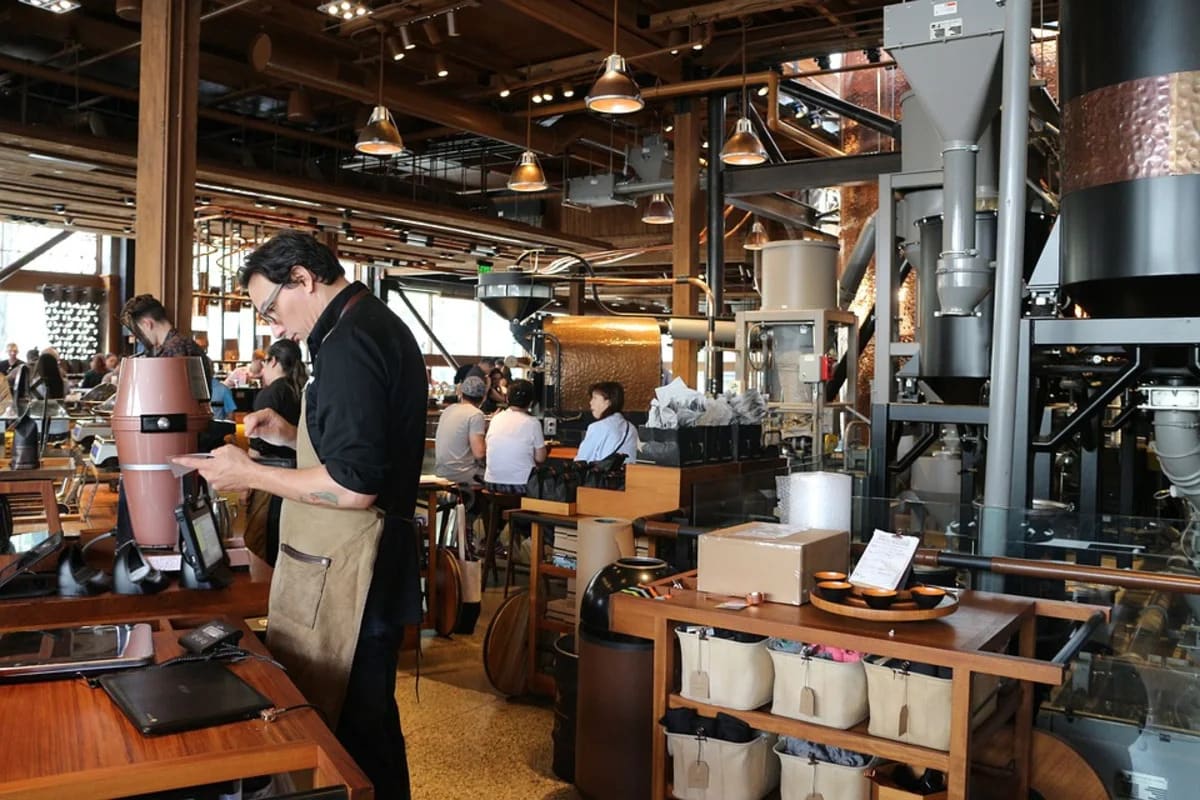
Starbucks and Nike are facing significant market share decline in China due to increased competition from nimble domestic brands. Analysts suggest these losses stem from internal strategic failures rather than broader market conditions.
The Decline of American Retail Giants in China
The landscape for iconic American corporations like Starbucks and Nike in China has undergone a seismic shift. Once viewed as the ultimate growth engines for these multinationals, the Chinese market is no longer providing the reliable expansion that stakeholders were accustomed to for decades. Reports from August 2026 indicate that both brands have seen their market share shrink significantly, highlighting a growing disconnect between global brand identity and local consumer expectations.
Strategic Misalignment vs. Market Conditions
While geopolitical tensions are often cited as a backdrop for international business struggles, experts like Aaron Cheris of Bain & Company suggest that the issue is not inherent to the Chinese market itself. Instead, the problem lies within the strategic execution of these American firms. The fact that these brands are maintaining their dominance elsewhere while struggling in China implies that they have failed to adapt their business models to the specific, rapidly evolving demands of the Chinese consumer.
The Rise of Domestic Competitors
A primary driver of this decline is the emergence of highly agile, domestic Chinese competitors. These local rivals have successfully captured market share by offering products that are not only more affordable but also more culturally resonant and technologically integrated. For companies like Starbucks, this means facing off against coffee chains that offer faster delivery and hyper-localized menus. For Nike, the challenge comes from local sportswear brands that have mastered the balance between performance technology and domestic fashion trends.
A Lack of Local Relevance
Innovation in the Chinese market moves at a pace that often leaves legacy Western brands behind. The 'lack of local relevance' mentioned in reports suggests that Starbucks and Nike have struggled to pivot their marketing and product development cycles to match the speed of local players. By relying on global brand prestige rather than localized value propositions, these corporations are finding themselves outmaneuvered by domestic firms that understand the nuances of the Chinese digital ecosystem and consumer behavior.
Future Outlook and Strategic Implications
The critical question for investors and executives is whether this trend can be reversed or if the moment of dominance has passed. To regain lost ground, both Starbucks and Nike will likely need to move beyond minor adjustments and consider fundamental overhauls of their Chinese operations. This may involve deeper partnerships with local tech platforms, a complete redesign of their local product pipelines, and a shift toward a more decentralized management structure that empowers local teams to make rapid, market-specific decisions.
Conclusion
The struggles of Starbucks and Nike in China serve as a cautionary tale for any global entity. It underscores that historical success and brand recognition are insufficient buffers against domestic innovation. As these companies navigate this period of contraction, their ability to transform their internal strategies will determine whether they remain viable leaders in the world's second-largest economy or continue to cede ground to more nimble, local competitors.