U.S. appeals court rules against prediction markets, sets up likely fight at Supreme Court
Source Entity
US Top News and Analysis
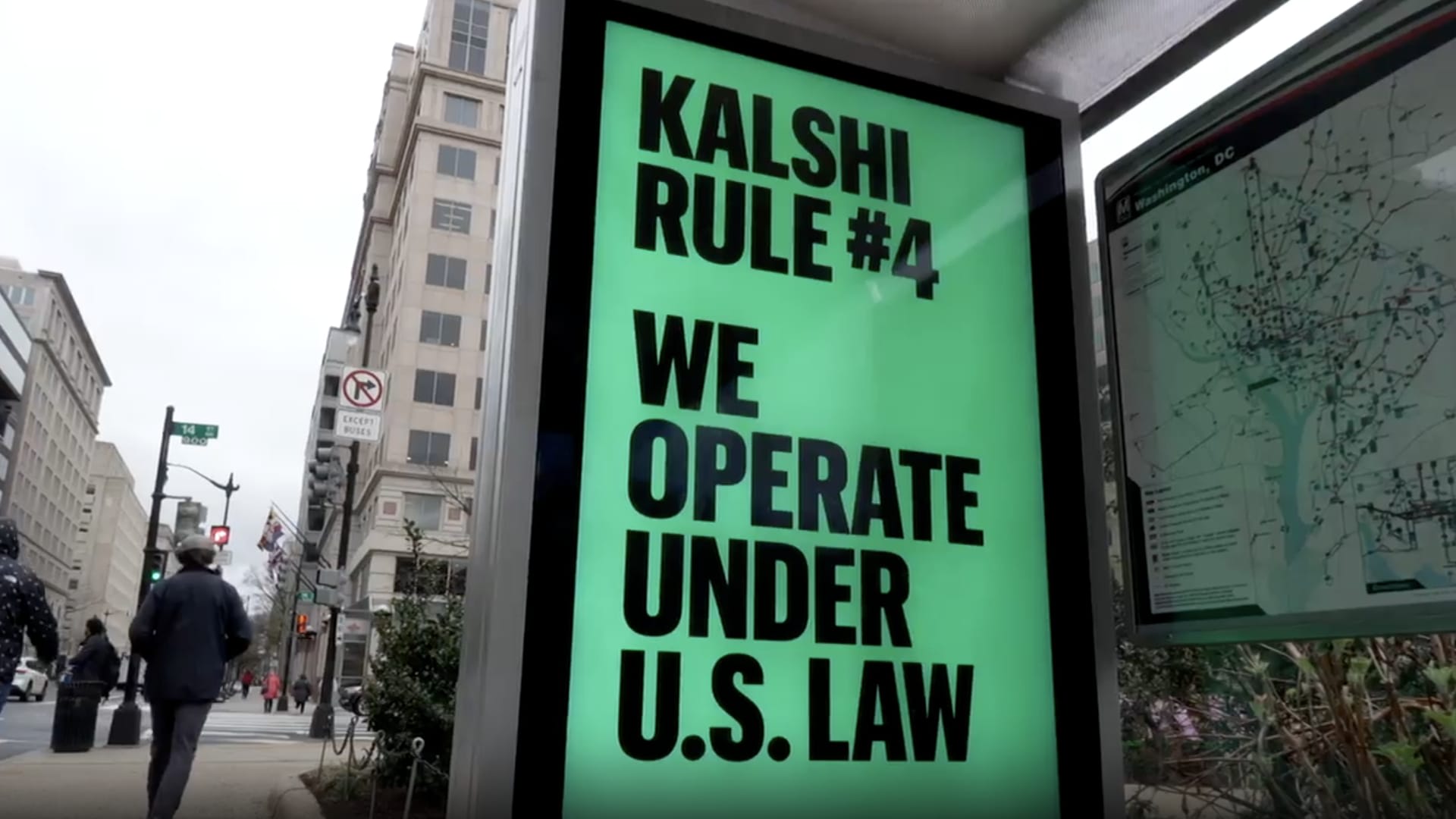
The Ninth Circuit Court of Appeals ruled that sports-related prediction contracts are not federal swaps, allowing states like Nevada and Arizona to regulate them as gambling. This decision creates a legal conflict with previous rulings, likely setting the stage for a Supreme Court battle.
The Legal Battle Over Prediction Markets
In a landmark decision that could reshape the landscape of online trading, the Ninth Circuit Court of Appeals has ruled against major prediction market platforms, including Kalshi, Crypto.com, and Robinhood. The court rejected requests for injunctive relief, effectively affirming the right of states like Nevada to treat sports-related event contracts as gambling rather than federally regulated derivatives. This ruling serves as a significant setback for platforms attempting to bypass state-level gaming oversight by classifying their offerings as "swaps" under the Commodity Exchange Act.
The Conflict of Interpretations
The core of this legal dispute lies in how financial instruments are defined. While these platforms argued that their event contracts should be shielded from state interference as federal derivatives, the Ninth Circuit disagreed. The court’s unanimous decision—delivered by a panel of three judges—explicitly rejected the view that the Commodity Exchange Act preempts state gaming laws. This interpretation stands in direct opposition to a previous ruling from the Third Circuit in April, creating a "circuit split" that almost guarantees the matter will eventually reach the U.S. Supreme Court for a final resolution.
States Assert Sovereignty
State officials have celebrated the ruling as a victory for consumer protection and local regulatory authority. Nevada Governor Joe Lombardo and the Nevada Gaming Control Board have consistently maintained that these prediction markets are essentially offering unauthorized sports betting. By classifying these contracts as gambling, the Ninth Circuit has empowered states to enforce their own licensing and operational frameworks, which these platforms had previously sought to circumvent.
Impact on Regional Enforcement
Beyond Nevada, the implications for this ruling are immediate and broad. In Arizona, for instance, a federal judge had previously issued an injunction preventing state officials from prosecuting Kalshi for violating local gambling laws. The Ninth Circuit’s decision effectively undermines the legal foundation of that injunction. Arizona Attorney General Kris Mayes and other state regulators are now positioned to leverage this appellate precedent to pursue legal action against platforms offering prohibited election or sports betting contracts within their jurisdictions.
Future Implications and Market Trends
The friction between federal financial deregulation and state-level gambling restrictions is reaching a boiling point. As platforms like Kalshi and Robinhood continue to innovate in the "event contract" space, they are increasingly colliding with entrenched gaming regulators. If the Supreme Court ultimately sides with the Ninth Circuit, it could force these platforms to either exit specific state markets or undergo a rigorous and costly process of obtaining state-level gaming licenses. This outcome would fundamentally alter the business model of prediction markets, transforming them from disruptive tech startups into entities that must operate under the strict, localized oversight typical of the traditional casino and sports-betting industry.
Multiple Citing Sources