A custom virtual machine for the Stars 4X game
Source Entity
Hacker News
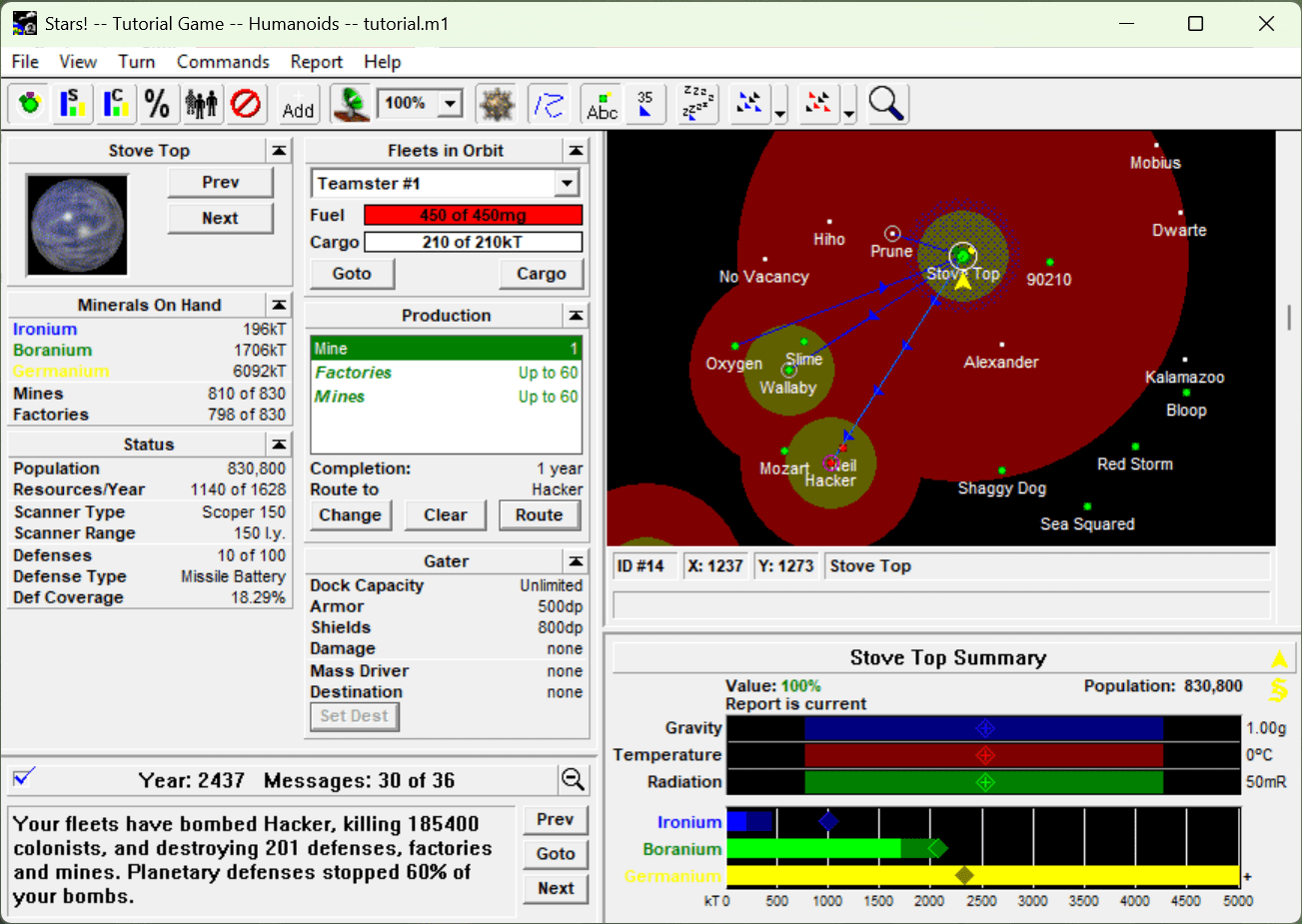
A developer has created 'Stars!VM', a custom virtual machine that enables the 1995 4X game 'Stars!' to run natively on modern 64-bit Windows systems. This solution overcomes 16-bit compatibility issues by embedding an 80286 emulator and a Win16-to-Win32 bridge.
Reviving Retro Classics: The Stars!VM Innovation
The release of Stars!VM on September 17, 2026, marks a significant milestone for software preservation and the retro gaming community. Stars!, a quintessential 1995 4X (explore, expand, exploit, exterminate) strategy title originally designed for 16-bit Windows 3.1, has long been plagued by the limitations of modern computing. As 64-bit Windows architectures have moved away from legacy support, running such older software has typically required cumbersome workarounds like DOSBox or otvdm. The development of Stars!VM offers a more elegant, streamlined alternative for enthusiasts.
Overcoming the 16-bit Architecture Barrier
The fundamental challenge in running Stars! on modern hardware is the total lack of support for 16-bit applications in 64-bit Windows environments. Historically, this forced users to rely on full-system emulators or specialized layers like Wine, which often introduced overhead or compatibility glitches. By embedding a custom 80286 emulator alongside a sophisticated Win16-to-Win32 bridge, the creator of Stars!VM has bypassed these hurdles entirely, allowing the game to execute in a way that feels native to the host operating system.
The Intersection of Emulation and Modern UX
What distinguishes Stars!VM from traditional emulation is the focus on modern user experience. While the core game engine remains the original 1995 code, the implementation integrates contemporary conveniences, such as native 4K scaling and a modern file chooser. These enhancements bridge the gap between the rigid, low-resolution constraints of the 1990s and the high-fidelity demands of current display technology, effectively modernizing the interface without altering the game's intrinsic logic or feel.
Implications for Software Preservation
This project serves as a compelling case study for the future of digital preservation. Instead of attempting a full source-code port—which is often impossible due to lost assets or legal complexities—the Stars!VM approach demonstrates how wrapping legacy software in a lightweight, custom virtual machine can keep historical applications functional. This method preserves the original binary data while wrapping it in a modern shell, making the software indistinguishable from a native 32-bit or 64-bit port.
Future Trends in Legacy Software
As we look toward the future, the reliance on specialized bridges and embedded emulators is likely to grow. As operating systems continue to deprecate legacy instruction sets, developers who prioritize user-friendly virtualization will be the primary stewards of gaming history. Stars!VM highlights a shift toward 'invisible' emulation, where the end-user gains the functionality of modern hardware without sacrificing the authentic, original experience of the software they grew up with.