Stone crushers back near Himachal national park months after eco label dropped
Source Entity
Saurabh Parashar
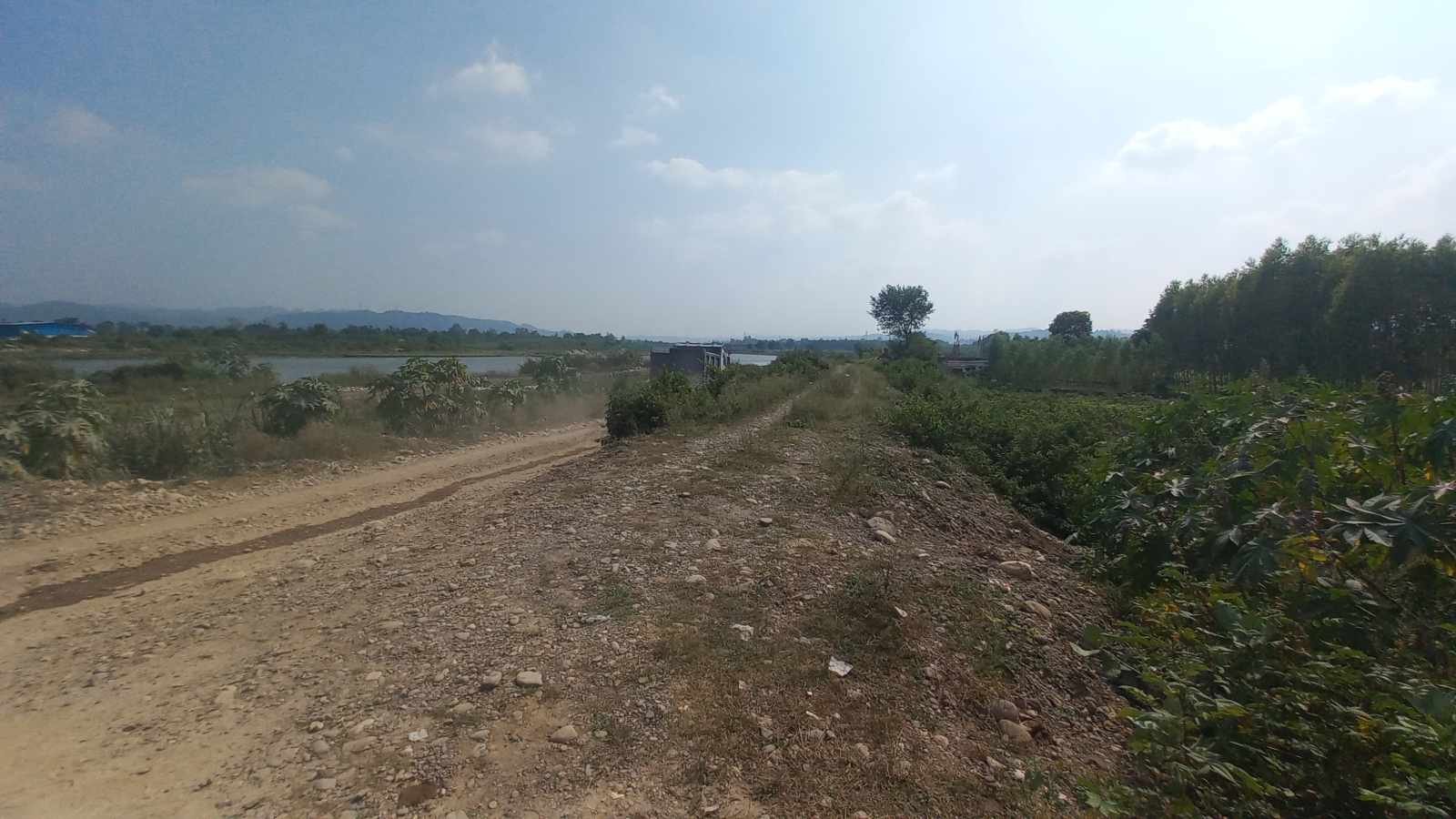
The Himachal Pradesh High Court's decision to quash the Eco-Sensitive Zone notification around Simbalbara National Park has led to the resurgence of stone crushing activities. The state government remains undecided on whether to challenge the ruling or draft a new environmental framework.
Environmental Governance in Flux: The Simbalbara Crisis
The Legal Void
Nearly five months after the Himachal Pradesh High Court invalidated the Eco-Sensitive Zone (ESZ) notification surrounding the Col Sher Jung National Park in Simbalbara, the region finds itself in a precarious legal limbo. The court’s decision, predicated on 'procedural lapses' and a perceived 'lack of consultations' with local stakeholders, has effectively dismantled the protective buffer that previously shielded this biodiversity hotspot from industrial encroachment. By striking down these regulations, the judiciary has inadvertently created a regulatory vacuum that prioritizes administrative compliance over immediate environmental safeguarding.
Industrial Resurgence
The most tangible consequence of this legal reversal is the swift return of extractive industries to the perimeter of the protected area. The ESZ, as it stood in 2022, was designed to act as a shock absorber, banning high-impact activities such as stone crushing within a 10-kilometer radius of the park. With the notification quashed, the deterrent effect has vanished. Reports confirm that at least two stone crushers, which had previously shuttered operations to comply with 2022 mandates, have resumed their activities, signaling a rapid return to the status quo that existed before the environmental protections were established.
The Governance Dilemma
The Himachal Pradesh state government currently faces a difficult strategic choice: mount a legal challenge against the High Court’s ruling or begin the arduous process of re-notifying an ESZ from scratch. Each path carries significant political and environmental weight. An appeal risks further judicial scrutiny of the government’s administrative processes, while a new notification process requires extensive public consultation and rigorous documentation—a process that could take months or even years, during which time the ecological integrity of the national park remains vulnerable.
Broader Ecological Implications
Simbalbara National Park, known for its unique flora and fauna, relies on the health of its surrounding ecosystem to maintain wildlife corridors and water table stability. Stone crushing operations are notorious for generating significant particulate matter and noise pollution, both of which can disrupt local wildlife habitats and degrade the air quality for neighboring communities. The absence of a buffer zone means that these pollutants are no longer restricted by legal distance requirements, potentially leading to long-term ecological degradation that may be difficult to reverse once industrial infrastructure is firmly re-established.
Future Outlook and Conclusion
As the state government deliberates, the future of the Simbalbara region remains uncertain. The situation highlights a systemic tension between developmental interests and environmental conservation in mountainous regions. If the government fails to act decisively, the precedent set by the revival of these stone crushers could embolden further industrial expansion in other protected areas across the state. Ultimately, the resolution of this issue will serve as a litmus test for the state’s commitment to balancing economic activity with the preservation of its natural heritage.