Evicted Spanish pensioner can move back home, lawyer says
Source Entity
BBC News
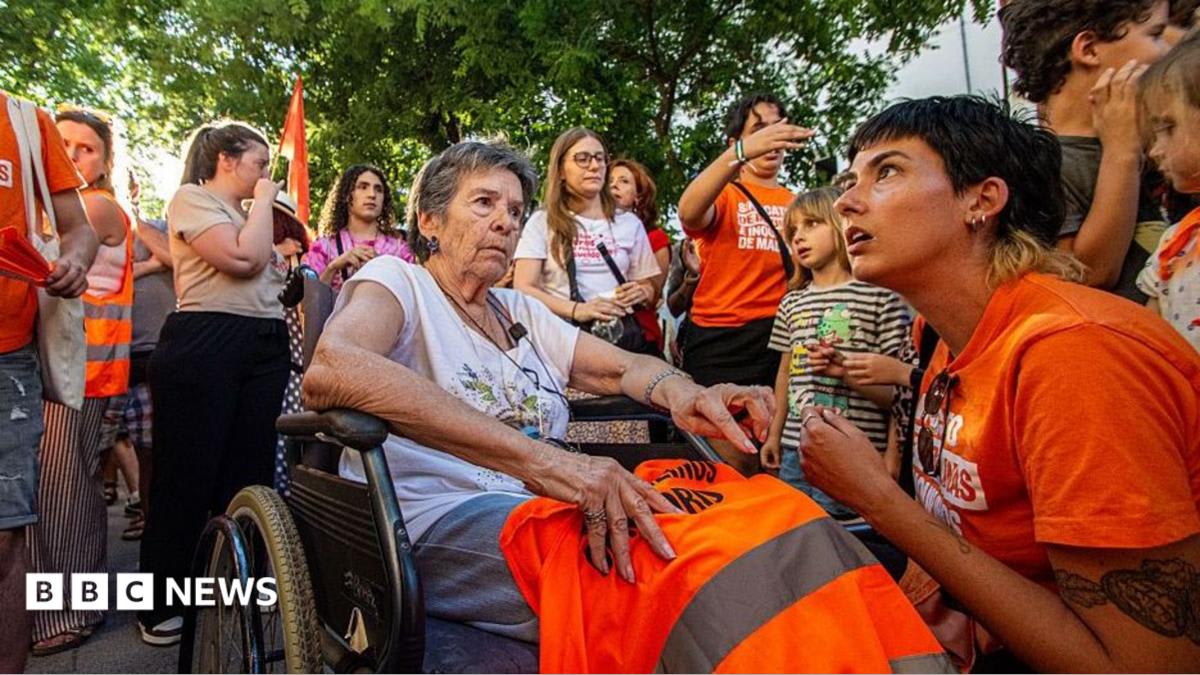
After a forced eviction that sparked national outrage, 87-year-old Maricarmen Abascal is set to return to her Madrid home. The case has pushed the Spanish government to prioritize new housing relief measures.
The Return of Maricarmen Abascal: A Turning Point for Spanish Housing
The case of 87-year-old Maricarmen Abascal, who was forcibly removed from her Madrid apartment of over seven decades on September 23, has become the face of Spain's deepening housing crisis. Her removal, which saw her taken from her home on a stretcher, ignited a firestorm of public indignation and large-scale protests across the country. The resolution, confirmed by her lawyer Beatriz Duro, allows Abascal to return to her residence under a new rental contract that maintains her current financial obligations, effectively shielding her from the predatory price hikes that often displace the elderly.
A Symbol of Systemic Vulnerability
Abascal’s situation highlights the precarious position of long-term tenants in a rapidly changing urban market. Having occupied her home for more than 70 years, she represents a generation of citizens whose historical tenure is being threatened by modern real estate pressures. The fact that her eviction required police intervention and led to her hospitalization serves as a harrowing reminder of the human cost associated with the enforcement of housing laws that prioritize property rights over the stability of vulnerable, elderly, and disabled populations.
The Power of Public Mobilization
The widespread anger that followed Abascal's eviction was not merely an isolated reaction but a reflection of broader societal frustration regarding housing affordability in Spain. Large-scale protests mobilized by citizens demonstrated that the public is increasingly unwilling to accept the displacement of the elderly as a byproduct of market forces. This collective pressure was instrumental in creating the 'goodwill' cited by her legal counsel, forcing a re-evaluation of the eviction process in this specific case.
Political Implications and Government Response
The political fallout from this event has reached the highest levels of the Spanish government. Prime Minister Pedro Sanchez has explicitly linked the need for legislative action to the public outcry following Abascal's treatment. By promising housing relief measures in upcoming cabinet meetings, the administration is signaling a shift toward more robust protections for tenants. This suggests that the government recognizes the potential for housing insecurity to become a defining political issue that could destabilize public trust if not addressed with concrete policy changes.
Future Trends in Housing Policy
Moving forward, the Abascal case is likely to serve as a legal and social precedent. It sets a standard where 'goodwill' and public scrutiny can successfully challenge standard eviction protocols. If the government’s promised measures focus on rent stabilization and stronger protections for disabled and elderly tenants, Spain may see a shift away from the aggressive eviction tactics that have dominated the market. However, the sustainability of these protections will depend on whether the promised relief measures translate into long-term legislative safeguards rather than temporary political concessions.
Conclusion
Maricarmen Abascal’s return to her home is a victory for humanitarian intervention in the housing market. While her individual case is resolved, the broader systemic challenges—such as the rising cost of living and the vulnerability of long-term residents—remain. The intersection of local activism and national policy reform in this instance underscores the necessity of a housing framework that balances economic development with the fundamental right to home security.