Iran attacks Bahrain as conflict escalates
Source Entity
Latest News: Todays Latest News Headlines from India & World | Hindustan Times
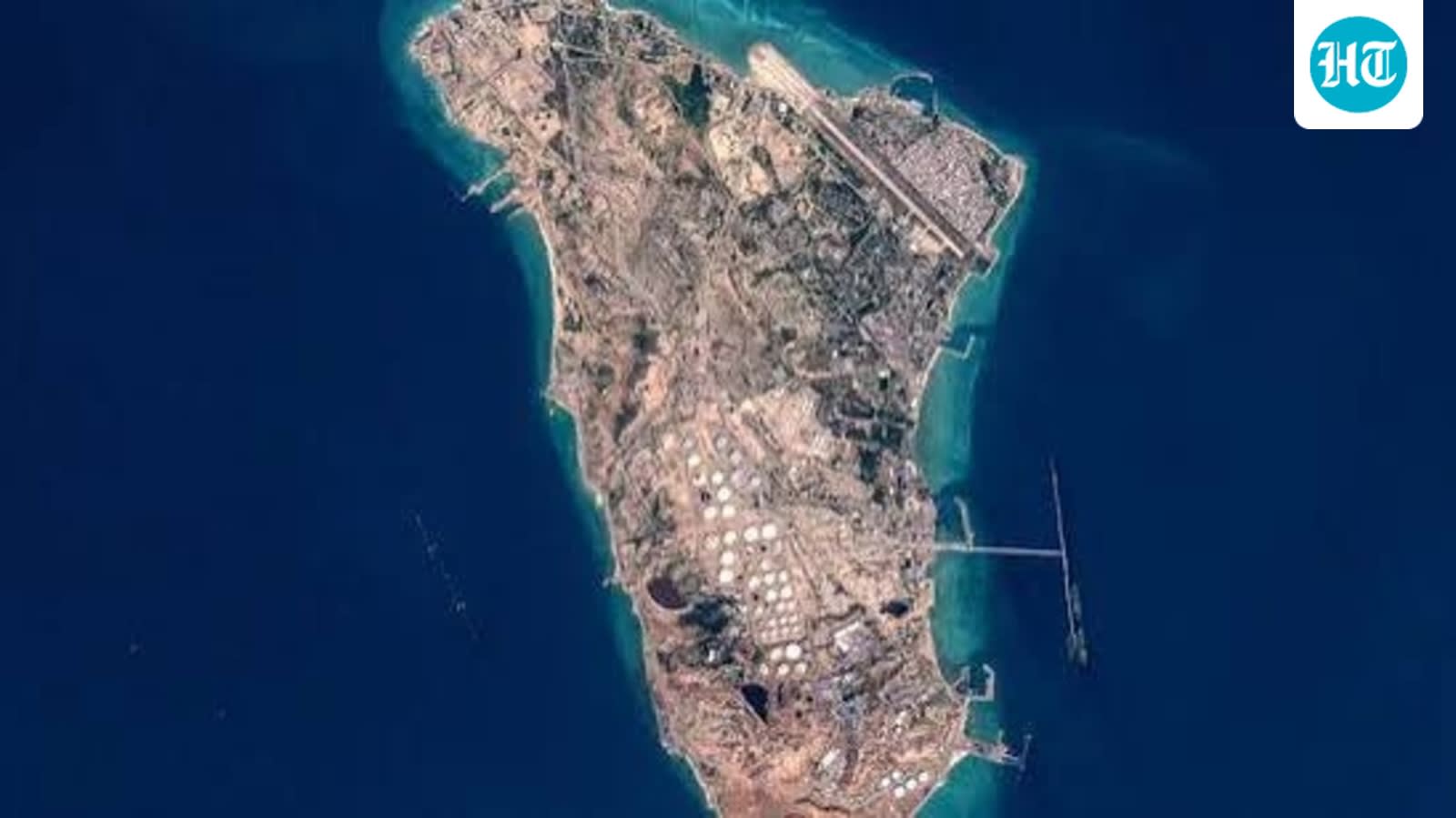
Iran has launched two drone attacks on the U.S. al-Riffa air base in Bahrain within three days, marking a significant escalation in regional tensions. Bahraini defense systems successfully intercepted the strikes, which are tied to an ongoing standoff over the strategic Strait of Hormuz.
Escalation in the Gulf: Iran Targets Bahraini Air Base
The security landscape in the Persian Gulf has deteriorated sharply following a series of drone attacks launched by Iran against the al-Riffa air base in Bahrain. This aggressive maneuver, which saw the Islamic Revolutionary Guard Corps (IRGC) deploy six drones in a targeted strike, represents the second such incident in just three days. The persistent nature of these attacks underscores a calculated shift in Iran’s regional posture, placing the island kingdom of Bahrain at the center of a deepening geopolitical crisis.
Strategic Significance of al-Riffa
Bahrain holds a unique position in the regional security architecture, most notably as the host of the U.S. Navy’s Fifth Fleet. By specifically targeting radar facilities at the al-Riffa air base, Iran is signaling an intent to blind or degrade the early-warning capabilities of U.S.-led defense systems in the region. This tactical choice suggests that the strikes are not merely symbolic but are designed to challenge the operational freedom of U.S. forces and their regional allies who rely on these installations to monitor and secure the airspace.
The Strait of Hormuz Standoff
At the heart of this conflict lies the ongoing standoff over the Strait of Hormuz, a critical global maritime chokepoint. With approximately one-fifth of the world’s oil and gas supply transiting this narrow waterway, any disruption has immediate global economic implications. Since the outbreak of the current war in February, shipping through the strait has been severely restricted. Iran’s recent aggression appears linked to its desire to assert control over these waters, using drone strikes as leverage while diplomatic negotiations remain at a complete stalemate.
Defensive Capabilities and Regional Response
In the face of these threats, Bahrain’s military response has been proactive. Authorities confirmed that air defense systems successfully intercepted and destroyed the incoming Iranian drones before they could reach their intended targets at the Riffa air base. This success highlights the effectiveness of the integrated air defense networks currently operating in the Gulf, which are essential for protecting both civilian centers and critical military infrastructure from the growing threat of low-cost, high-impact drone warfare.
Broader Implications and Future Trends
These events reflect a broader trend of regional instability where proxy warfare and direct state-on-state skirmishes are becoming increasingly common. The fact that this is the second attack in three days suggests that the conflict is moving beyond sporadic incidents into a phase of sustained confrontation. As long as the diplomatic impasse regarding the Strait of Hormuz persists, the risk of miscalculation remains high. Future trends suggest that both the U.S. and its Gulf partners will likely continue to bolster their defensive posture to counter Iran's aerial threats, while the international community remains concerned about the potential for further economic volatility should these skirmishes disrupt global energy security.
Multiple Citing Sources
Verification Required?