Bengaluru Metro’s Yellow Line to run 13 trains daily from November 16; peak-hour frequency cut to 5.5 minutes
Source Entity
India Latest News: Top National Headlines Today & Breaking News | The Hindu
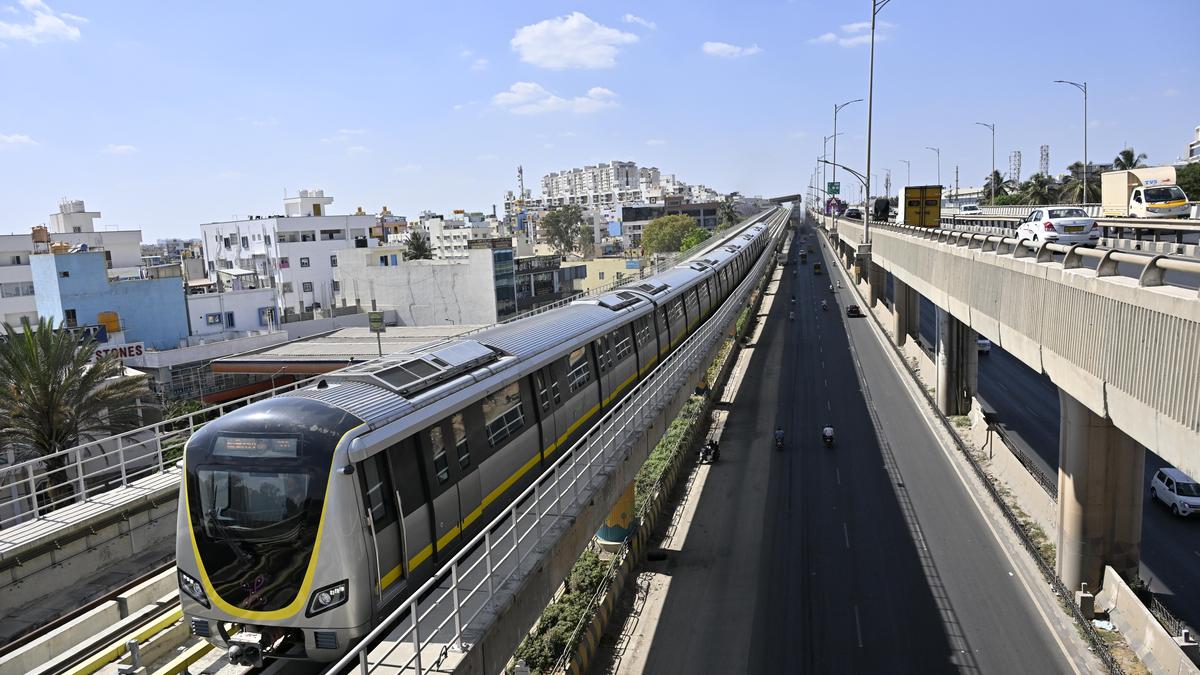
The Bangalore Metro Rail Corporation Limited (BMRCL) is increasing the Yellow Line fleet to 13 trains starting November 16. This expansion will reduce peak-hour headways to 5.5 minutes on weekdays.
Enhancing Urban Mobility: The Yellow Line Expansion
The Bangalore Metro Rail Corporation Limited (BMRCL) has announced a strategic service upgrade for the Yellow Line, set to take effect on November 16. By inducting an additional train into the active fleet, the total number of operational units will rise to 13. This operational adjustment represents a significant step in the ongoing efforts to optimize transit capacity for the city's rapidly growing workforce and commuter population.
Impact on Peak-Hour Efficiency
One of the most critical metrics for any metro system is the 'headway' or frequency of service during rush hours. By increasing the fleet size, the BMRCL has successfully reduced peak-hour intervals from six minutes down to 5.5 minutes. This improvement, applicable from Monday through Friday, is designed to mitigate platform congestion and accommodate the high volume of daily commuters relying on the R.V. Road to Bommasandra corridor.
Operational Consistency and Scheduling
While peak hours receive a boost in frequency, the BMRCL has opted to maintain stability elsewhere in the system. Non-peak hour services will continue to operate at 10-minute intervals, ensuring a predictable service pattern throughout the workday. Similarly, weekend operations will remain unchanged, with a consistent 10-minute frequency maintained throughout Saturdays and Sundays to cater to leisure and off-peak travel needs.
Strategic Continuity for Commuters
Despite these enhancements in frequency, the BMRCL has confirmed that the first and last train timings at the R.V. Road and Bommasandra stations will remain the same. This decision ensures that commuters who rely on specific departure times—particularly those working in shifts or early morning/late night sectors—will not face disruptions to their established routines during this transition period.
Broader Urban Implications
This service expansion is reflective of the broader necessity for robust public transport infrastructure in Bengaluru. As the city continues to expand its industrial and residential footprint, the ability to move large numbers of people efficiently is paramount. The Yellow Line, serving key areas, acts as a vital artery, and increasing its frequency is a direct response to the increasing demand for reliable, high-speed transit that can compete with private vehicle usage.
Future Trends and Outlook
Looking ahead, the incremental increase of the fleet size suggests a phased approach to capacity management. By monitoring the impact of the 5.5-minute headway on passenger load, the BMRCL can better determine future requirements for rolling stock and infrastructure maintenance. This move sets a precedent for data-driven operational adjustments that prioritize commuter experience while maintaining the structural integrity and scheduling reliability of the Metro network.
Verification Required?