Journeywoman Suchika Tariyal confirms Asian Games MMA medal at 36
Source Entity
The Indian Express
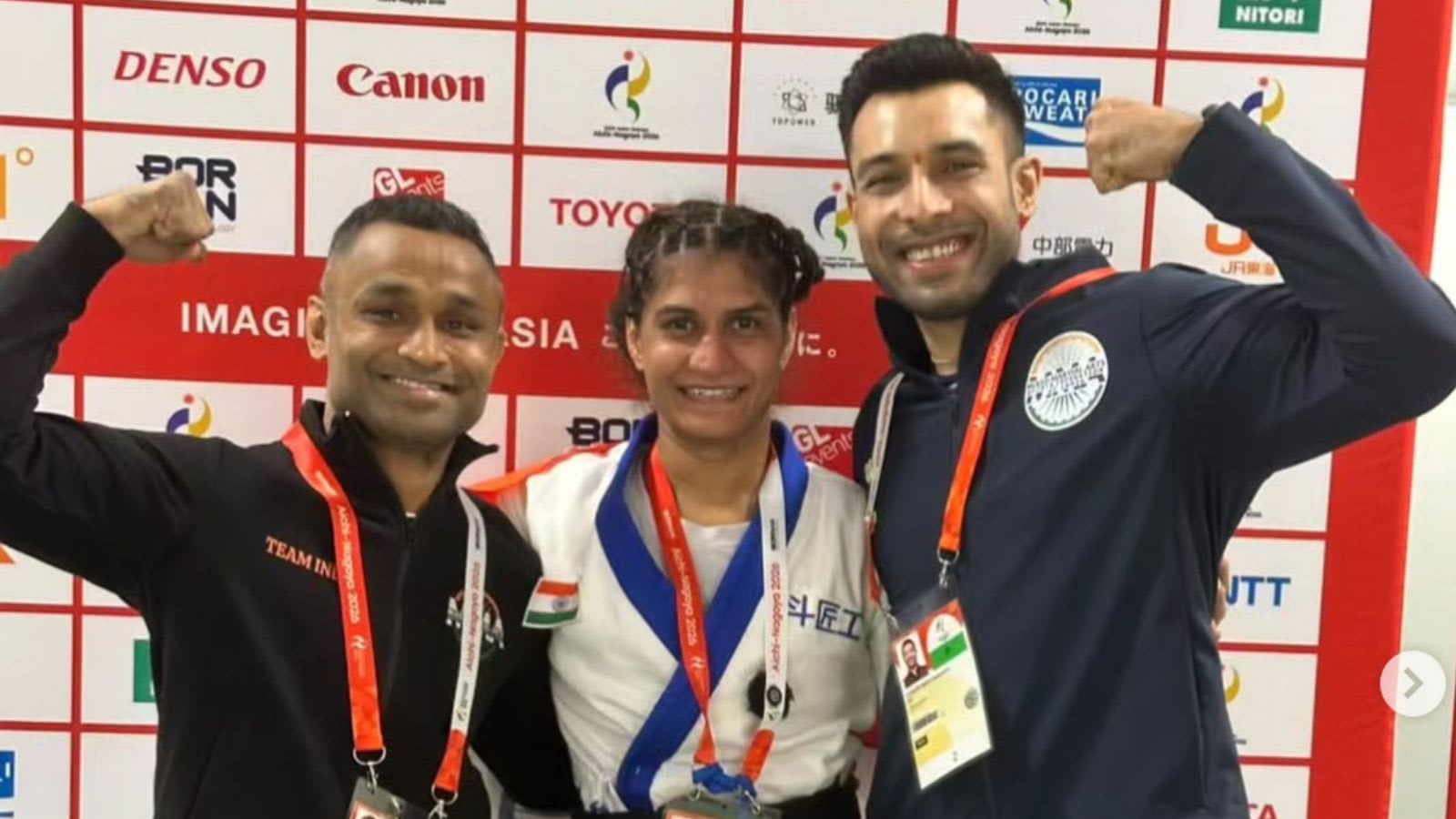
Suchika Tariyal has made history by securing India's first-ever Asian Games medal in MMA after overcoming significant personal and physical hurdles. Conversely, fellow fighter Varun Sanyal was ruled out of the competition due to medical complications during his weight-cutting process.
A Historic Milestone for Indian MMA
The 2026 Aichi-Nagoya Asian Games mark a watershed moment for combat sports, as Mixed Martial Arts (MMA) makes its official debut on the continental stage. Among the historic highlights, 36-year-old Suchika Tariyal has emerged as a beacon of resilience, securing India’s first-ever medal in the sport. By defeating Mongolia’s Altanchimeg Baigalmaa in the women’s 60kg traditional MMA quarterfinal, Tariyal has not only guaranteed a podium finish but has also validated the growing professionalization of MMA within the Indian sporting ecosystem.
Overcoming Adversity and Finding Fellowship
Tariyal’s journey to this historic achievement is defined by a remarkable comeback. Having previously stepped away from competitive sports—specifically judo—due to a combination of a debilitating knee injury, systemic challenges, and difficult personal circumstances, she had essentially retired. Her return to the arena was facilitated by the support of the Indian MMA community, specifically UFC fighter Pooja Tomar and former ONE Championship athlete Himanshu Kaushik. Their intervention underscores the importance of mentorship and peer support in sustaining an athlete's career through periods of doubt and physical recovery.
A Versatile Combat Pedigree
It is essential to recognize that Tariyal is not a newcomer to high-stakes combat. Her transition to MMA is built upon a foundation of extensive experience in judo, kurash, and Jiu-Jitsu, where she notably achieved world champion status. This multi-disciplinary background provides her with a significant tactical advantage in the cage, allowing her to leverage diverse skill sets to navigate the complexities of traditional MMA competition. Her success serves as a testament to the adaptability of athletes trained in traditional grappling arts.
The Harsh Reality of Weight-Cutting
While Tariyal’s path has been one of triumph, the Asian Games also highlighted the severe risks inherent in combat sports. Indian fighter Varun Sanyal’s campaign ended abruptly before his men’s 77kg quarterfinal when he was declared medically unfit. Reports indicate that Sanyal suffered from dizziness, muscle cramps, and extreme dehydration while attempting to make weight. This incident brings into sharp focus the physiological toll that extreme weight-cutting protocols take on athletes, often serving as the most formidable opponent before the actual bout even begins.
Broader Implications for Future Trends
The duality of these two narratives—Tariyal’s success and Sanyal’s medical exit—points to the future of MMA in international multi-sport events. As the sport gains institutional recognition, governing bodies will likely face increased pressure to refine weight-management regulations to ensure athlete safety. The inclusion of MMA in the Asian Games signals its evolution from a niche spectacle to a mainstream discipline, necessitating better infrastructure, medical support, and standardized training protocols for athletes representing their nations on such a prestigious stage.
Conclusion
Suchika Tariyal’s historic performance at the Aichi-Nagoya Asian Games will undoubtedly inspire a new generation of Indian fighters to pursue MMA with renewed vigor. However, the sobering reality of Varun Sanyal’s experience serves as a critical reminder that the path to glory is fraught with physical dangers. As the sport continues to integrate into the Olympic-style movement, the balance between competitive excellence and athlete health will remain the central challenge for the community.
Multiple Citing Sources