8-Year Jail For Conman Sukesh Chandrasekhar For Posing As Top Court Judge
Source Entity
NDTV News Search Records Found 1000
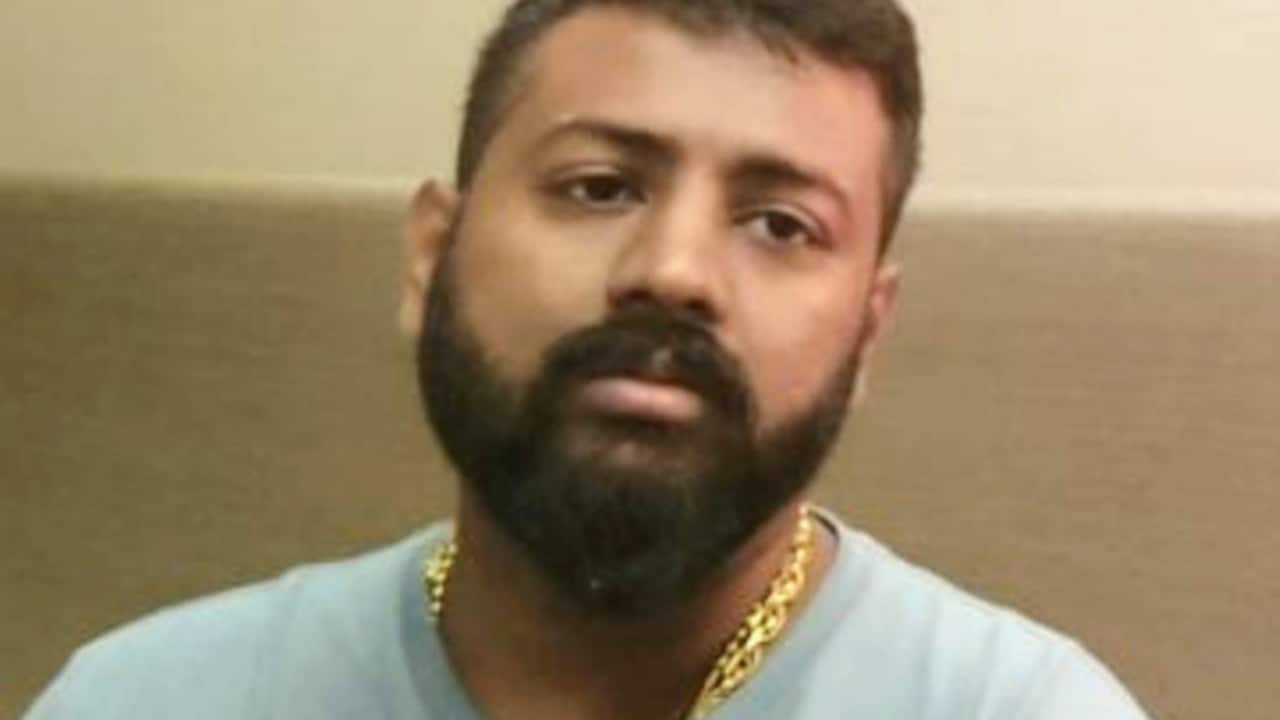
Conman Sukesh Chandrasekhar has been sentenced to eight years of rigorous imprisonment by a Delhi court for impersonating a Supreme Court judge. The conviction stems from a 2017 incident where he attempted to influence a bail proceeding, leading to ongoing legal challenges regarding the trial court's remarks.
The Legal Reckoning of Sukesh Chandrasekhar
A Delhi court has handed down a significant eight-year sentence of rigorous imprisonment to Sukesh Chandrasekhar, a notorious figure linked to multiple high-profile fraud cases. The conviction stems from a brazen attempt to subvert the judicial process on April 28, 2017, when Chandrasekhar impersonated a Supreme Court judge in a desperate bid to influence bail proceedings related to a corruption case. This case highlights the lengths to which individuals will go to manipulate the legal system for personal gain.
The Mechanics of the Fraud
On August 20, the trial court convicted Chandrasekhar under sections 170 (impersonation), 189 (threat of injury to public servant), and 507 (criminal intimidation) of the Indian Penal Code. The sentencing, delivered by Chief Judicial Magistrate Harshita Mishra, includes consecutive terms: two years each for sections 170 and 189, and four years for section 507, alongside financial penalties. By posing as a high-ranking judicial official, Chandrasekhar attempted to bypass the rule of law, an act the court deemed worthy of a severe and deterrent punishment.
Judicial Integrity and Deterrence
The court’s ruling emphasizes the necessity of protecting the sanctity of the justice system. By imposing consecutive sentences, the judiciary is sending a clear signal that attempts to compromise legal proceedings through fraud and intimidation will be met with strict accountability. The court noted that Chandrasekhar’s unsuccessful attempt at influence did not serve as a mitigating factor, underscoring the gravity of his intent to derail the judicial process.
Ongoing Legal Maneuvers
Following the conviction, the legal battle has shifted to the Delhi High Court, where Chandrasekhar has challenged certain remarks made by the trial court regarding his character. However, the Delhi Police have raised significant objections, arguing that the plea is not maintainable. The police contend that instead of filing a separate plea to delete remarks, the appropriate legal recourse is for the convict to file an appeal against the entire judgment and sentencing order.
Broader Implications for the Legal System
This case serves as a stark reminder of the security risks faced by the Indian judiciary. The ease with which an individual attempted to impersonate a Supreme Court judge to sway a lower court judge highlights potential vulnerabilities in communication channels. As legal proceedings increasingly rely on digital and telephonic verification, this incident underscores the urgent need for robust authentication protocols to protect judges from external pressure and fraudulent interference.
Future Outlook
As the Delhi High Court continues to deliberate on the procedural validity of Chandrasekhar's current plea, the case remains a focal point for discussions on judicial independence. The ultimate resolution of this matter will likely reinforce the standard practice that grievances against trial court judgments must be addressed through the appellate process rather than piecemeal challenges. The outcome of these proceedings will continue to shape how the Indian legal system handles individuals who attempt to weaponize their identity against the state.
Verification Required?