Supreme Court seeks Centre’s response after petition says social media firms failing to report CESAM violations
Source Entity
The Indian Express
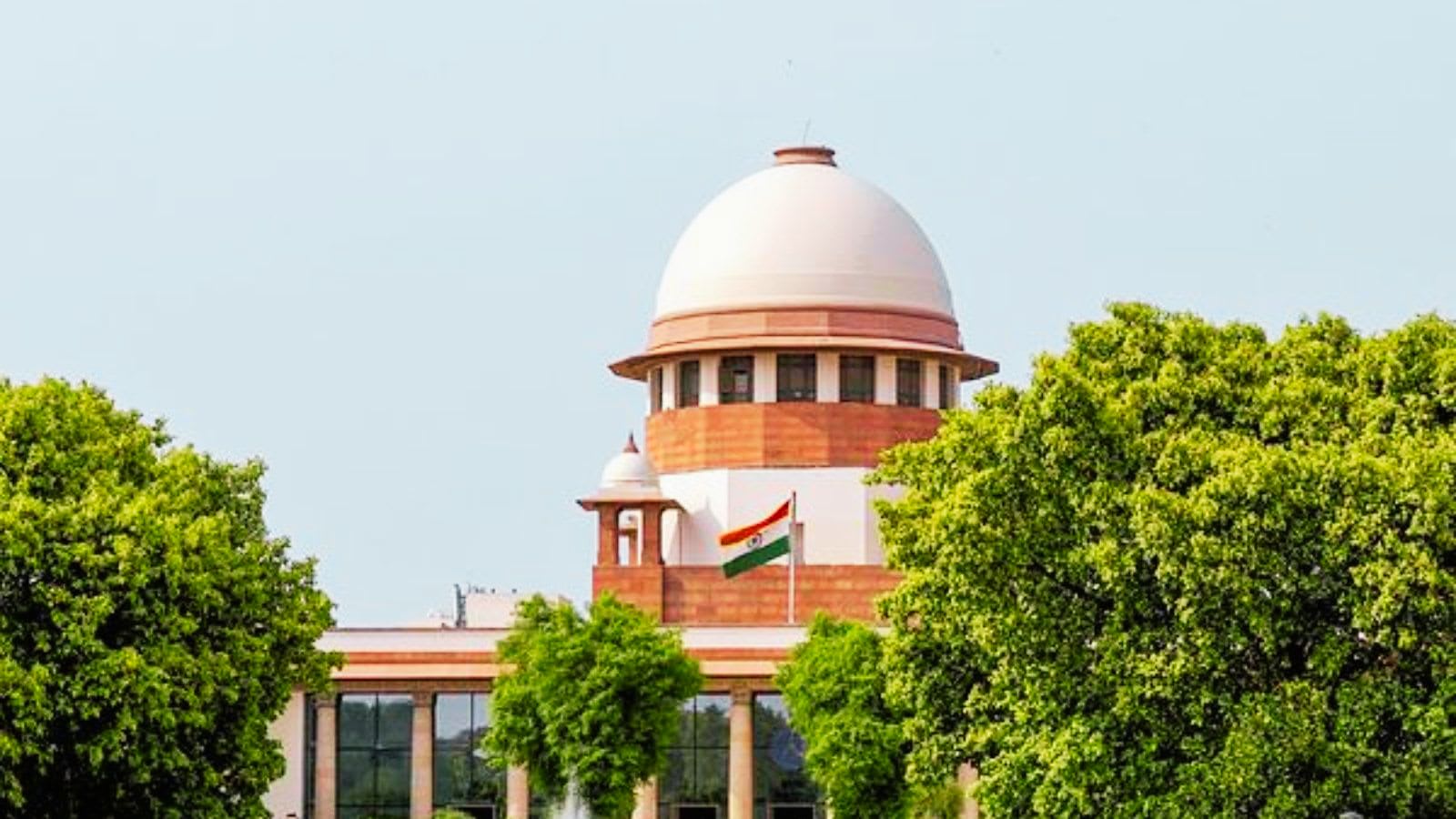
The Supreme Court of India has issued a notice to the Centre regarding the failure of social media firms to report Child Sexual Exploitation and Abuse Material (CESAM). This legal action follows allegations that platforms like Instagram hosted paid advertisements promoting such content.
Supreme Court Intervenes in CESAM Regulation
The Supreme Court of India has taken a significant step toward digital accountability by seeking a formal response from the Ministry of Electronics and Information Technology (MeitY) regarding the enforcement of mandatory reporting protocols for Child Sexual Exploitation and Abuse Material (CESAM). A bench led by Justices Jamshed Burjor Pardiwala and Krishnan Vinod Chandran issued this notice following a petition filed by the Just Rights for Children Alliance (JRCA), an organization dedicated to combating child sexual exploitation and trafficking.
The Core Allegations and Legal Context
The petition highlights a critical gap in the oversight of social media intermediaries. Central to the legal challenge is a BBC report alleging that Instagram, a major social media platform, carried paid advertisements that promoted harmful content related to CESAM. This incident has raised severe concerns regarding the efficacy of current content moderation algorithms and the willingness of tech giants to prioritize profit over the fundamental safety of minors online.
Expanding Accountability to Intermediaries
In a procedural shift, the Supreme Court has permitted the petitioner to implicate the concerned social media intermediaries directly in the litigation. This move ensures that the tech companies themselves are held accountable in a court of law rather than just the government regulators. By bringing these firms into the fold, the court is signaling that the burden of compliance lies heavily on the platforms that host and monetize digital content.
Broader Implications for Tech Regulation
This development underscores a broader, global trend where governments and judiciaries are moving away from the era of 'self-regulation' by Big Tech. As social media platforms become the primary interface for communication, their failure to report illegal content—specifically content that violates fundamental human rights—invites stricter legislative scrutiny. The outcome of this case could force a fundamental redesign of how social media companies monitor their advertising networks and user-generated content.
Historical Context and Future Trends
Historically, social media companies have often relied on the 'intermediary' defense, suggesting they are merely conduits for data. However, the judiciary's increasing focus on the duty of care suggests a future where platforms are treated more like publishers. If the Supreme Court mandates stricter compliance, we can expect to see a surge in investments into AI-driven safety tools, human moderation teams, and perhaps even a restructuring of advertising policies to prevent the monetization of illegal material.
Conclusion
The intervention by the Supreme Court represents a pivotal moment for child safety in the digital age. By demanding answers from both the government and the tech corporations, the court is emphasizing that the protection of children from exploitation is not negotiable. As the case proceeds, the industry will be closely watched to see if it can align its profit-driven models with the stringent legal and moral requirements of modern society.