Take a call, don’t keep it lingering: Supreme Court to Odisha on Dara remission plea
Source Entity
Ananthakrishnan G
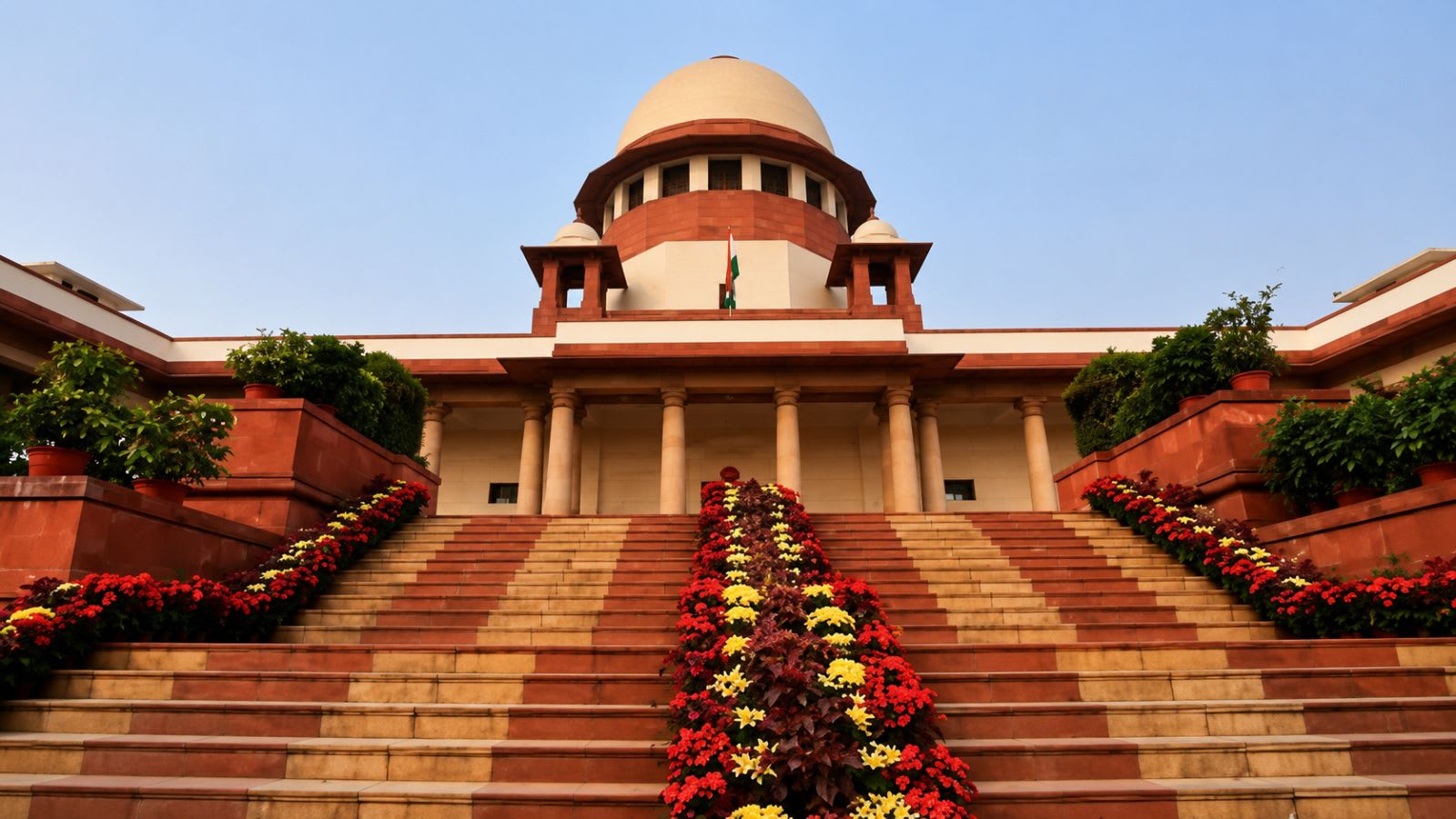
The Supreme Court has ordered the Odisha government to finalize its decision on the remission plea of Dara Singh, convicted for the 1999 murder of Graham Staines. Justices Misra and Bishnoi warned of summoning top state officials if the matter remains unresolved by September 17.
Supreme Court Directs Odisha on Dara Singh Remission Plea
The Supreme Court of India recently issued a stern directive to the Odisha government regarding the long-pending remission plea of Ravindra Pal, widely known as Dara Singh. Singh is currently serving a life sentence for the gruesome 1999 murder of Australian missionary Graham Stuart Staines and his two minor sons. The bench, comprised of Justices Manoj Misra and Vijay Bishnoi, expressed clear frustration over the two-year delay in processing the application, emphasizing that legal matters of this gravity cannot be allowed to linger indefinitely.
The Context of Judicial Oversight
This intervention highlights the judiciary's role in ensuring that administrative bodies adhere to procedural timelines. By setting a hard deadline of September 17, the Court is effectively signaling that the state’s failure to act on the remission request constitutes a procedural lapse. The bench’s warning—that they will summon top state officials if the mandate is ignored—demonstrates the Court's commitment to upholding the rule of law and preventing bureaucratic inertia in high-profile criminal cases.
Procedural Delays and Accountability
During the recent hearing, the Odisha government’s counsel requested a four-week extension, citing the ill health of the Advocate on Record and a lack of clear instructions from the state authorities. The Supreme Court's refusal to grant such an open-ended delay underscores a judicial philosophy that prioritizes the finality of justice. When state legal representatives fail to provide timely updates, it complicates the judicial process and leaves critical sentencing matters in a state of legal limbo.
Historical Significance of the Case
The case of Dara Singh is deeply rooted in the historical discourse surrounding religious intolerance and the protection of minorities in India. The murder of Graham Staines and his children in 1999 shocked the international community and remains a somber reference point for discussions on communal harmony and the efficacy of the Indian criminal justice system. The current proceedings regarding his remission are not merely administrative; they are inextricably linked to the legacy of the original conviction and the state's responsibility to manage the post-conviction rights of prisoners.
Broader Implications and Future Trends
This development suggests a growing trend of the Supreme Court actively monitoring administrative delays in state-level parole and remission processes. As the court pushes for greater efficiency, state governments will likely face increased pressure to streamline their review boards and legal reporting structures. The outcome of the September 17 hearing will serve as a bellwether for how the judiciary intends to handle similar cases where state authorities delay critical decisions on long-term inmates.
Conclusion
Ultimately, the Supreme Court’s ultimatum serves as a firm reminder that the power of the state to process remission requests must be exercised with transparency and promptness. Whether the Odisha government complies by the mid-September deadline or faces the rare step of a judicial summons for its top officials remains to be seen. The case reinforces the principle that even in the most controversial of criminal matters, the machinery of justice must operate without unnecessary, state-sanctioned delay.