Growing sexual assault cases in Delhi: SC draws parallel to 2012 Nirbhaya gangrape
Source Entity
SAURABH THAKUR
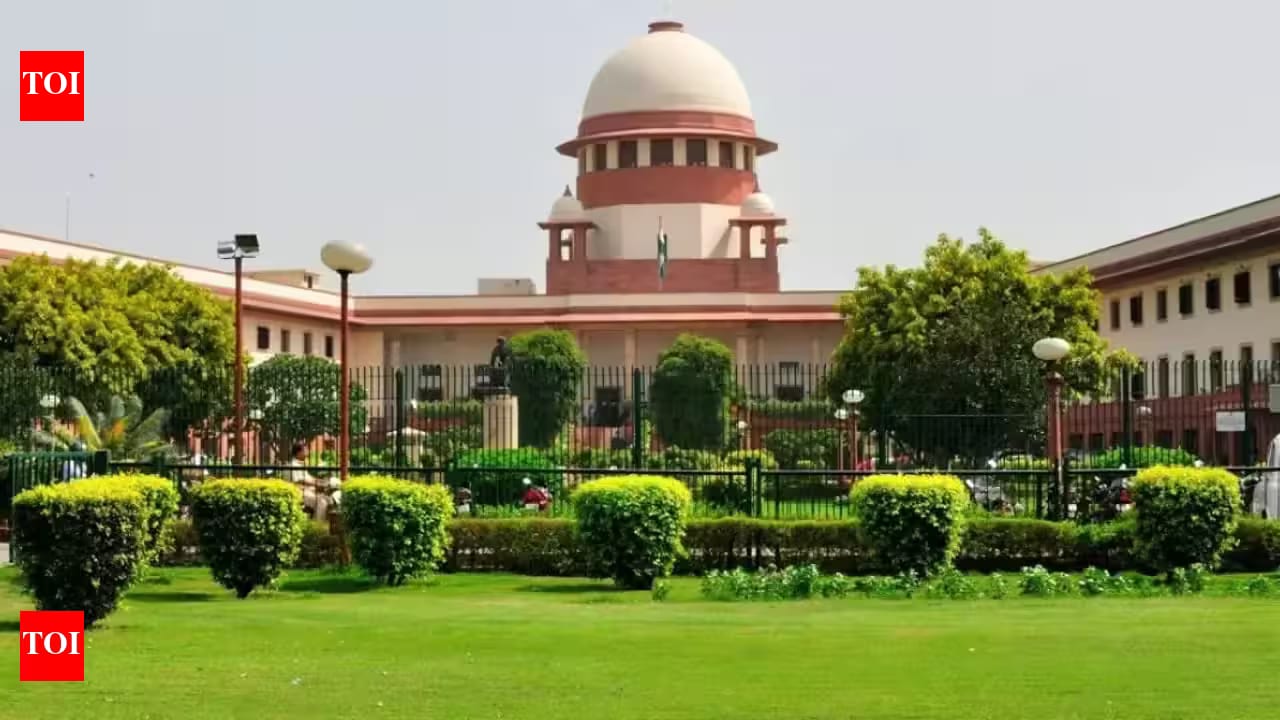
The Supreme Court has taken suo motu cognisance of rising sexual assault cases in Delhi, drawing a painful parallel to the 2012 Nirbhaya incident. The bench emphasized that public spaces must be safe and demanded accountability from the Delhi Police.
Judicial Intervention in Delhi's Safety Crisis
The Supreme Court of India, led by a bench comprising Justices JB Pardiwala and K Vinod Chandran, has taken suo motu cognisance of a series of alarming sexual assault cases reported in the national capital. By explicitly drawing a parallel to the 2012 Nirbhaya gang-rape case, the judiciary has signaled its deep concern regarding the systemic failure to ensure the safety of women and minors in public domains. This judicial intervention underscores a growing frustration with the status quo, where public spaces like parks, buses, and roads are increasingly perceived as high-risk zones.
The Anatomy of Recent Incidents
The court’s decision was prompted by specific, harrowing incidents, including the alleged gang-rape of a 17-year-old girl at Aastha Kunj Park near Lady Shri Ram College, the gang-rape of a minor in Swaroop Nagar, and a sexual assault involving a minor inside a bus. These incidents have sparked widespread public outcry, exemplified by protests from students of Lady Shri Ram College, who are demanding immediate systemic reform to protect vulnerable populations. The concentration of these crimes in diverse public settings highlights a pervasive breakdown in security infrastructure.
Systemic Failures and Police Accountability
At the heart of the Supreme Court's inquiry is the perceived failure of law enforcement agencies to maintain order and deter criminal activity. The court's focus on the Delhi Police reflects a demand for greater accountability and a more robust strategy for patrolling and surveillance in sensitive areas. By registering a suo motu case, the bench is not merely observing the crisis but actively compelling the state to explain the lapses that have allowed such incidents to recur, suggesting that current policing models are inadequate to meet the safety requirements of a modern, densely populated metropolis.
Public Spaces as 'Zones of Risk'
The assertion that public spaces cannot be turned into 'zones of high risk' is a foundational legal argument regarding the Right to Life and Liberty under Article 21 of the Indian Constitution. The court is essentially highlighting that the state’s inability to secure these spaces infringes upon the citizens' freedom of movement and their right to live with dignity. This judicial stance suggests that the judiciary may soon mandate stricter guidelines for urban planning and security deployment to reclaim public areas for the populace.
Historical Context and Future Implications
Drawing a comparison to the 2012 Nirbhaya case is a significant rhetorical and legal move. The Nirbhaya incident previously served as a catalyst for massive legislative changes, including the Criminal Law (Amendment) Act, 2013. The fact that the Supreme Court feels the need to invoke this memory indicates that despite legislative progress, the ground-level implementation and protective measures have remained stagnant. Looking forward, we can expect the Supreme Court to push for long-term policy shifts, potentially involving the integration of technology, improved street lighting, increased beat policing, and rigorous audits of public security protocols to prevent a descent into a state of perpetual insecurity.