Supreme Court issues notice to Centre on PIL for setting up DNA and biometric ID system for missing, rescued kids
Source Entity
India Latest News: Top National Headlines Today & Breaking News | The Hindu
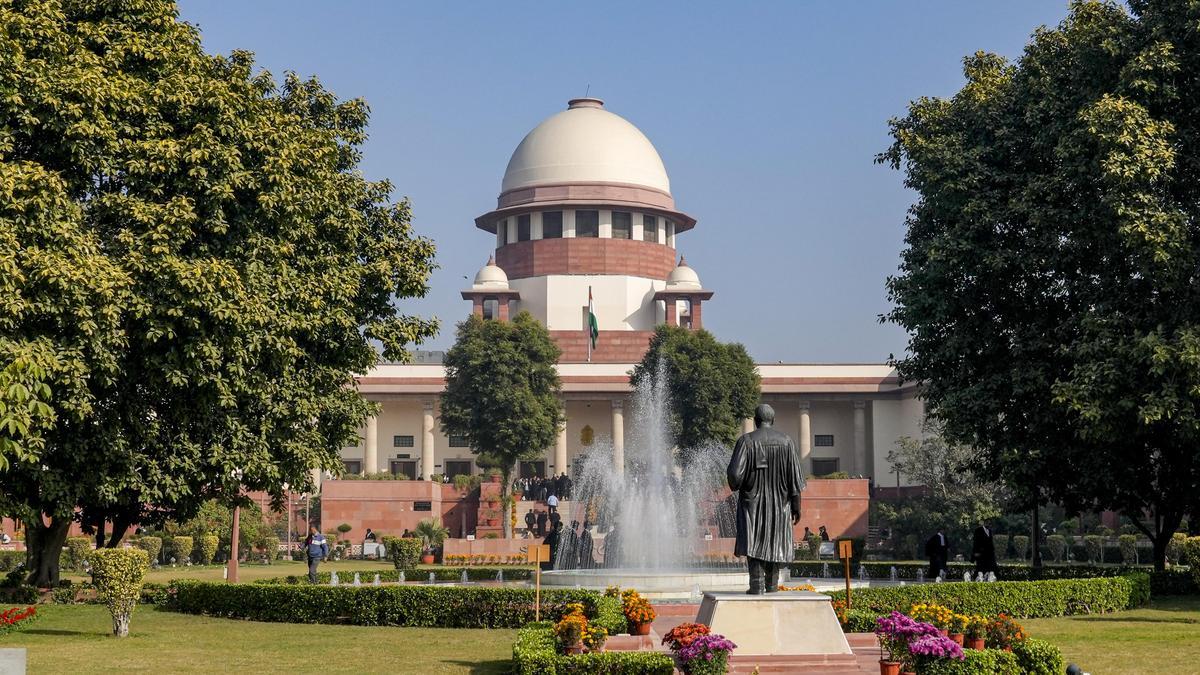
The Supreme Court has issued notices to the Centre and the NCPCR regarding a PIL for a national DNA and biometric database for missing children. This move aims to enhance scientific identification and interstate coordination for the rescue and rehabilitation of trafficked minors.
Supreme Court Intervenes in Child Protection Protocols
The Supreme Court of India, led by Chief Justice Surya Kant and Justices Joymalya Bagchi and V. Mohana, has taken a significant step toward modernizing child safety infrastructure. By issuing formal notices to the Union Ministry of Home Affairs and the National Commission for Protection of Child Rights (NCPCR), the Court has signaled a growing urgency to address the systemic challenges faced by missing and trafficked children. The petition, filed by Reepak Kansal, advocates for a centralized, technology-driven approach to ensure no child remains lost in the bureaucratic cracks of the Indian judicial and social welfare systems.
The Necessity of Scientific Identification
At the core of the petition is the demand for a national DNA and biometric identification system. Currently, the identification of rescued children—particularly those who are too young to communicate or those who have been displaced across state lines—relies heavily on manual records and fragmented data. By integrating DNA profiling and biometrics, the state could create a permanent, immutable record that transcends regional borders, allowing for near-instantaneous verification of a child’s identity against missing persons databases.
Overcoming Interstate Coordination Hurdles
One of the most persistent barriers in anti-trafficking efforts is the lack of seamless cooperation between different state police forces and welfare departments. The PIL explicitly requests the constitution of national and state-level anti-trafficking task forces. This structural change is intended to mandate interstate coordination, ensuring that rescue operations are not hampered by jurisdictional disputes and that rehabilitation efforts are synchronized, time-bound, and effective.
Statutory Safeguards and Data Privacy
The integration of DNA and biometric data raises valid concerns regarding privacy and the protection of sensitive information of minors. The petition acknowledges this by seeking a system backed by robust statutory safeguards. As the Supreme Court reviews this matter, the legal framework governing this proposed database will likely need to align with existing data protection principles to ensure that the technology meant to protect vulnerable children does not inadvertently expose them to further risks.
Broader Implications for Child Welfare
If implemented, this centralized system would mark a paradigm shift in how India approaches the reunification of missing children. Moving away from reactive, localized searches toward a proactive, science-led national strategy could significantly reduce the time children spend in state custody or shelters, thereby minimizing the trauma associated with long-term separation from their families. The involvement of the NCPCR suggests that the Court is looking for a multi-faceted strategy that combines legal oversight with social welfare expertise.
Future Trends and Judicial Oversight
The Court’s decision to seek a response from the Centre indicates that the judiciary is prepared to compel the executive branch to adopt technological advancements to meet its constitutional obligations toward child protection. Future developments will likely focus on the feasibility of such a database, the financial allocation required for its maintenance, and the specific protocols for data access. This move serves as a precursor to a more digitized and efficient child protection ecosystem in India, setting a precedent for leveraging technology in human rights enforcement.
Multiple Citing Sources
Verification Required?