Need to relook if English can be considered an indigenous language: SC
Source Entity
DHANANJAY MAHAPATRA
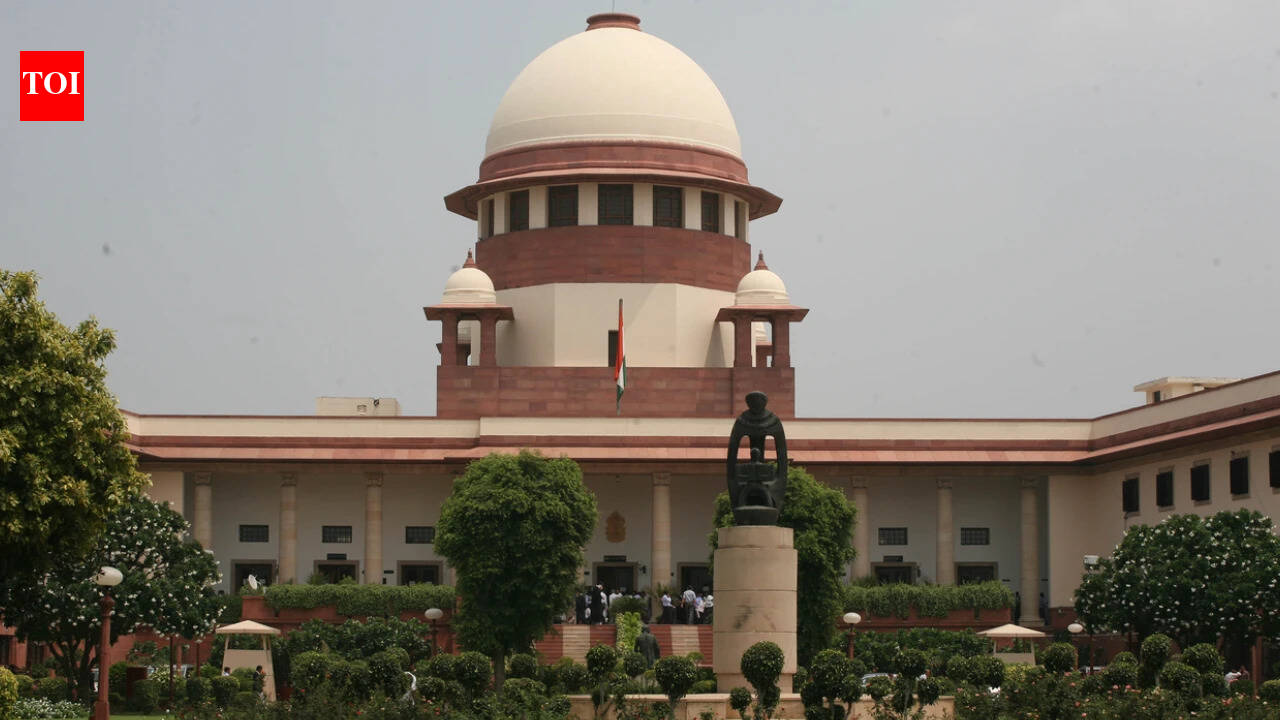
The Supreme Court of India has questioned whether English can be classified as an indigenous language while declining to halt the CBSE's three-language scheme, which aims to promote Hindi and regional languages in alignment with constitutional objectives.
The Linguistic Dilemma: Supreme Court Examines English's Status in India
In a significant judicial observation, the Supreme Court of India has raised a fundamental question regarding the linguistic identity of English within the Indian socio-cultural landscape. While hearing a petition against the Central Board of Secondary Education's (CBSE) three-language scheme, the Court questioned whether English can truly be considered an indigenous language. This observation comes at a critical juncture where the Indian education system is attempting to balance the global utility of English with the constitutional mandate to preserve and promote native languages.
Understanding the Three-Language Formula
The three-language scheme is a cornerstone of India's educational strategy, designed to foster national integration and multilingualism. By requiring the study of Hindi, English, and a regional language, the policy seeks to ensure that students are proficient in a global lingua franca, the national official language, and their own ancestral tongue. The Supreme Court's refusal to halt this scheme indicates a judicial inclination toward supporting the government's objective of aligning educational practices with constitutional goals, which emphasize the protection of India's diverse linguistic heritage.
The Debate Over 'Indigenous' Status
The Court's query regarding the indigenous status of English is deeply analytical. While English has been integrated into the Indian administrative and legal fabric for centuries, it remains a colonial legacy. By questioning its status as an indigenous language, the Court is highlighting a tension between 'functional indigenousness'—where a language is used natively by millions—and 'historical indigenousness.' This distinction is crucial because the promotion of indigenous languages is often tied to cultural preservation and the prevention of linguistic hegemony, ensuring that regional dialects do not fade in the shadow of English or Hindi.
Infrastructure and Implementation Hurdles
Despite the ideological goals of the three-language scheme, the petitioners have raised pragmatic concerns that cannot be ignored. The lack of qualified teachers proficient in various regional languages and the deficiency in school infrastructure present significant barriers to successful implementation. Furthermore, the petitioners pointed out a critical resource gap: the limited availability of textbooks and study materials on the NCERT website. These logistical failures suggest a disconnect between the policy's ambitious goals and the ground reality of the Indian schooling system, where rural and underfunded schools may struggle to meet these requirements.
Broader Implications for National Education
This legal battle reflects a broader national debate on the National Education Policy (NEP) and the role of language in social mobility. English continues to be the primary gateway to higher education and global corporate opportunities, creating a divide between those who have access to quality English medium education and those who do not. By promoting regional languages, the CBSE aims to democratize education; however, if the implementation is flawed, it risks creating further disparities. The Court's insistence on a response from the Centre and CBSE within ten days suggests that the judiciary will scrutinize not just the legality of the policy, but its feasibility.
Conclusion and Future Outlook
As the Centre and CBSE prepare their responses, the outcome of this case will likely set a precedent for how linguistic policies are implemented in Indian schools. The Supreme Court is tasked with balancing the preservation of indigenous identity with the practical necessities of a globalized world. Ultimately, the success of the three-language scheme will depend not on the legal definition of 'indigenous,' but on the government's ability to provide the necessary teachers, textbooks, and infrastructure to make multilingualism a reality for every student.