With 4 new benches, how the Supreme Court plans to clear its oldest pending cases
Source Entity
Vineet Bhalla
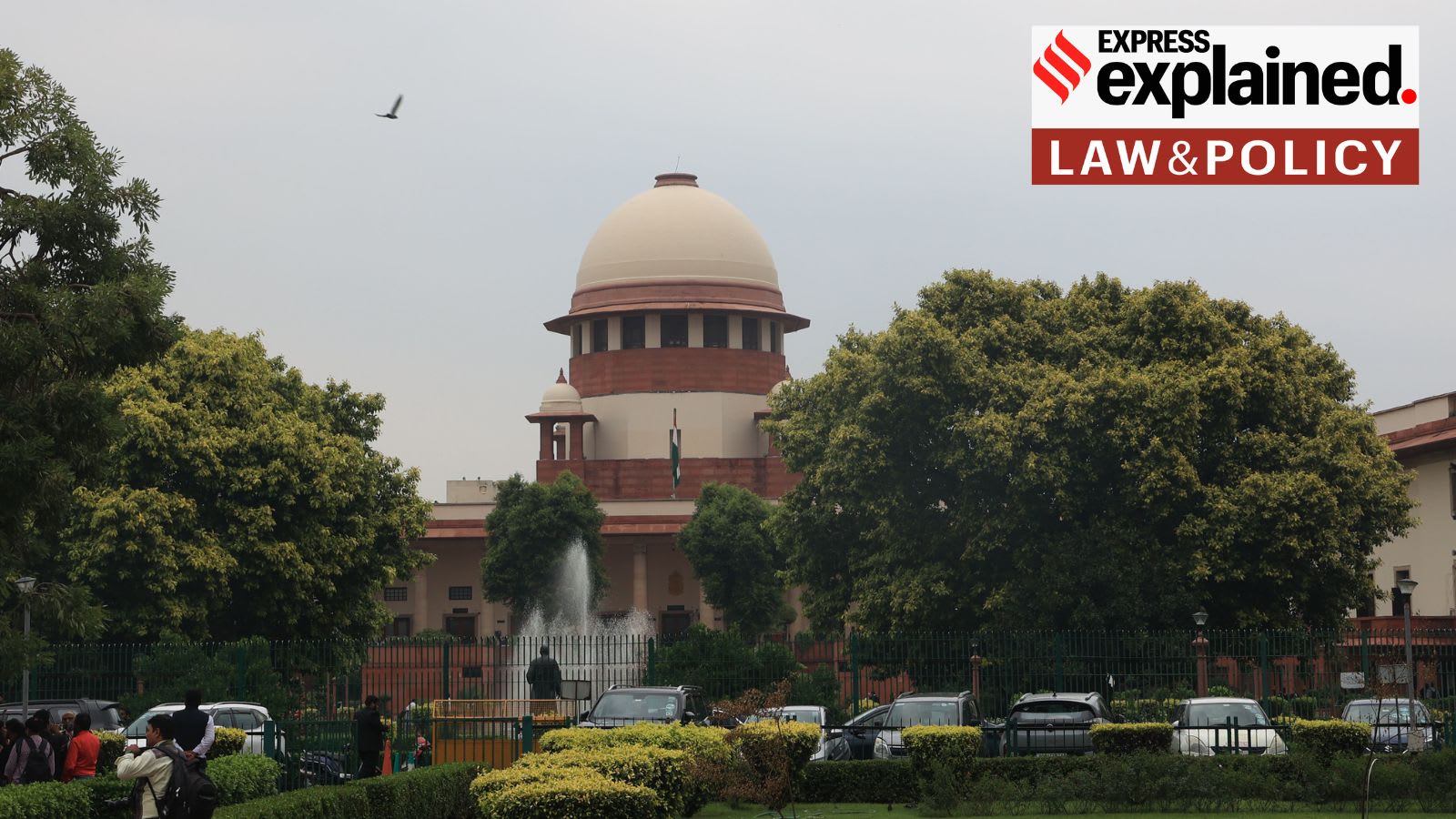
To tackle the mounting backlog of cases in the Supreme Court, Chief Justice of India Surya Kant has, in a significant move, created four specific benches exclusively to hear the oldest pending civil a...
Addressing the Judicial Bottleneck: CJI Surya Kant's Strategic Intervention
In a decisive move to combat the chronic issue of judicial pendency, Chief Justice of India (CJI) Surya Kant has announced the creation of four specialized benches dedicated exclusively to hearing the oldest pending civil cases. This administrative shift represents a targeted attempt to dismantle the mounting backlog that has long plagued the Supreme Court of India, where thousands of cases often linger for years, delaying justice for countless litigants. By isolating the oldest cases into dedicated streams, the judiciary aims to ensure that the principle of 'first in, first out' is meaningfully applied to civil disputes.
The Mechanics of the New Bench System
The Strategic Rationale
The decision to create four separate benches is not merely an additive measure but a strategic reorganization of judicial labor. Historically, the Supreme Court has balanced a diverse docket including constitutional challenges, criminal appeals, and civil disputes. However, when new, high-profile matters are prioritized, older civil cases often get pushed further down the list. By dedicating specific benches to these legacy cases, the CJI is ensuring that these matters receive uninterrupted attention without being sidelined by the daily influx of fresh filings. This approach allows the court to apply a concentrated effort toward clearing arrears that have persisted across multiple tenures of the court.
Systemic Challenges and the Crisis of Pendency
To understand the significance of this move, one must look at the broader context of the Indian legal system. The 'mounting backlog' mentioned in the report is a systemic crisis driven by a combination of a high volume of litigation, a shortage of judicial officers relative to the population, and the inherent complexity of civil law which often involves extensive documentation and multiple hearings. When civil cases—ranging from property disputes to contractual disagreements—remain pending for decades, it not only affects the individuals involved but also creates economic instability by leaving assets frozen and legal rights uncertain.
Implications for the Rule of Law and Public Trust
This initiative carries profound implications for the public's perception of the judiciary. The adage "justice delayed is justice denied" is particularly relevant in the context of the Supreme Court, the final arbiter of law in India. By prioritizing the oldest cases, the court is sending a strong signal that it is conscious of the temporal burden placed on litigants. Successfully clearing these cases will likely restore faith in the efficiency of the legal process and reduce the perceived unpredictability of judicial timelines, which is essential for maintaining the rule of law and encouraging a culture of legal compliance.
Future Trends and Sustainability
While the creation of four new benches is a critical short-term remedy, the long-term success of this initiative depends on the sustainability of the workload. Experts suggest that such measures must be complemented by broader reforms, such as the increased adoption of digital case management and the potential expansion of the judge-to-case ratio. If these four benches can significantly reduce the oldest tier of cases, it may provide a blueprint for similar 'clearing-house' mechanisms across other categories of law, such as criminal or tax litigation, leading to a more streamlined judicial architecture.
Conclusion
CJI Surya Kant's initiative to establish dedicated benches for the oldest civil cases is a necessary surgical intervention in a system burdened by years of accumulation. By focusing specifically on the most delayed matters, the Supreme Court is attempting to bridge the gap between the filing of a case and its final resolution. While the scale of the backlog remains daunting, this structured approach provides a clear pathway toward reducing the judicial deficit and ensuring that the oldest grievances of the citizenry are finally addressed.