200 Private Hostels Marked "Dangerous" After Delhi Collapse Kills 7
Source Entity
NDTV News Search Records Found 1000
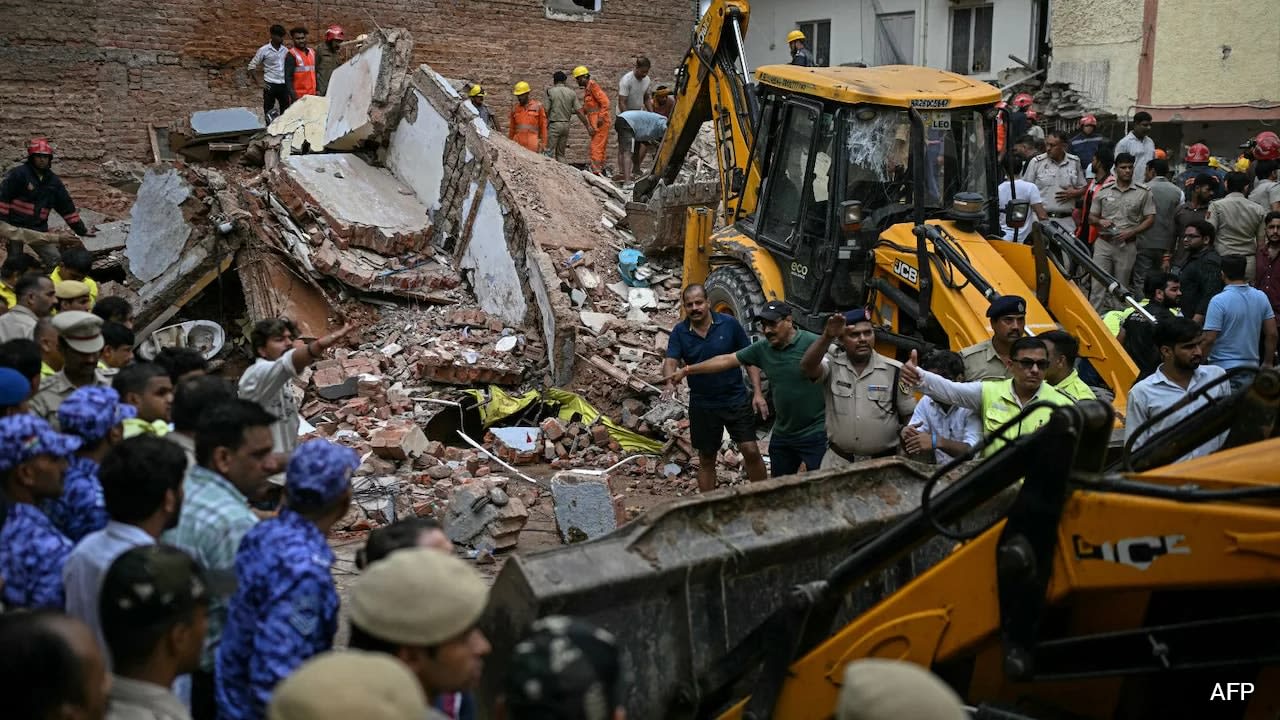
The Supreme Court is intervening following a deadly building collapse in Delhi's Satya Niketan, aiming to establish pan-India safety guidelines for student housing. Authorities are now moving to regulate PGs and conduct safety audits after discovering the collapsed structure lacked a sanctioned plan.
The Satya Niketan Tragedy: A Catalyst for National Building Reform
The recent, tragic collapse of a building in South Delhi’s Satya Niketan, which claimed the lives of seven students, has exposed a systemic failure in the urban management of student housing. This event has served as a grim catalyst, forcing the Supreme Court to intervene directly in matters of building safety and unauthorized construction. By signaling its intent to transfer related cases from the Delhi High Court and establish pan-India guidelines, the judiciary is attempting to address the lethal intersection of rapid urbanization and regulatory negligence.
Unmasking the Risks of Unregulated PGs
At the heart of this catastrophe lies the revelation that the collapsed structure functioned without a sanctioned building plan. This is not an isolated incident but a symptom of a broader, shadow economy where brokers facilitate the conversion of residential floors into high-density 'Paying Guest' (PG) accommodations without adhering to fire, structural, or municipal safety standards. The anonymity of these brokers highlights the difficulty in enforcing accountability, as these informal arrangements often bypass the formal oversight of local municipal bodies.
Judicial Oversight and Accountability
In response to the tragedy, the Supreme Court bench comprising Justice A. Amanullah and Justice R. Mahadevan has prioritized a time-bound inspection and safety audit of student housing across Delhi. The appointment of an amicus curiae to oversee this process underscores the urgency of the situation. By demanding status reports on committee inspections, the Court is signaling a shift toward a more proactive, rather than reactive, approach to urban safety, ensuring that the state fulfills its obligation to protect citizens from hazardous living conditions.
The Shift Toward Stringent Regulation
Following the collapse, Delhi authorities have initiated plans for a new PG policy that emphasizes licensing and rent regulation. This move aims to bring the thousands of 'dangerous' private hostels currently operating in the city under a formal legal framework. By mandating sanctioned plans and safety certifications, the government hopes to curb the practice of cramming students into structurally unsound buildings for profit, a practice that has flourished due to high demand and inadequate supply of affordable, legal housing.
Broader Implications for Urban India
While the current focus is on Delhi, the Supreme Court's intention to lay down pan-India guidelines suggests that the problem of illegal construction is a national crisis. Across India, the proliferation of PG accommodations in dense, unplanned neighborhoods mirrors the risks seen in Satya Niketan. The proposed guidelines could establish a uniform safety standard, forcing municipalities to implement rigorous structural audits and building code compliance checks, potentially curbing the prevalence of 'dangerous' residential structures that currently house millions of students and migrant workers.
Conclusion: Moving Toward a Safer Future
The Satya Niketan collapse stands as a somber reminder of the human cost of administrative apathy. As the Supreme Court continues to deliberate on the path forward, the focus must remain on the swift implementation of safety audits and the formalization of the PG sector. Moving forward, the success of these measures will depend on the sustained coordination between the judiciary, municipal authorities, and the enforcement of building codes, ensuring that the fundamental right to safe housing is no longer compromised by illegal and hazardous construction practices.
Multiple Citing Sources
Verification Required?