To recover fines, link traffic challans to power bills: Supreme Court
Source Entity
TNN
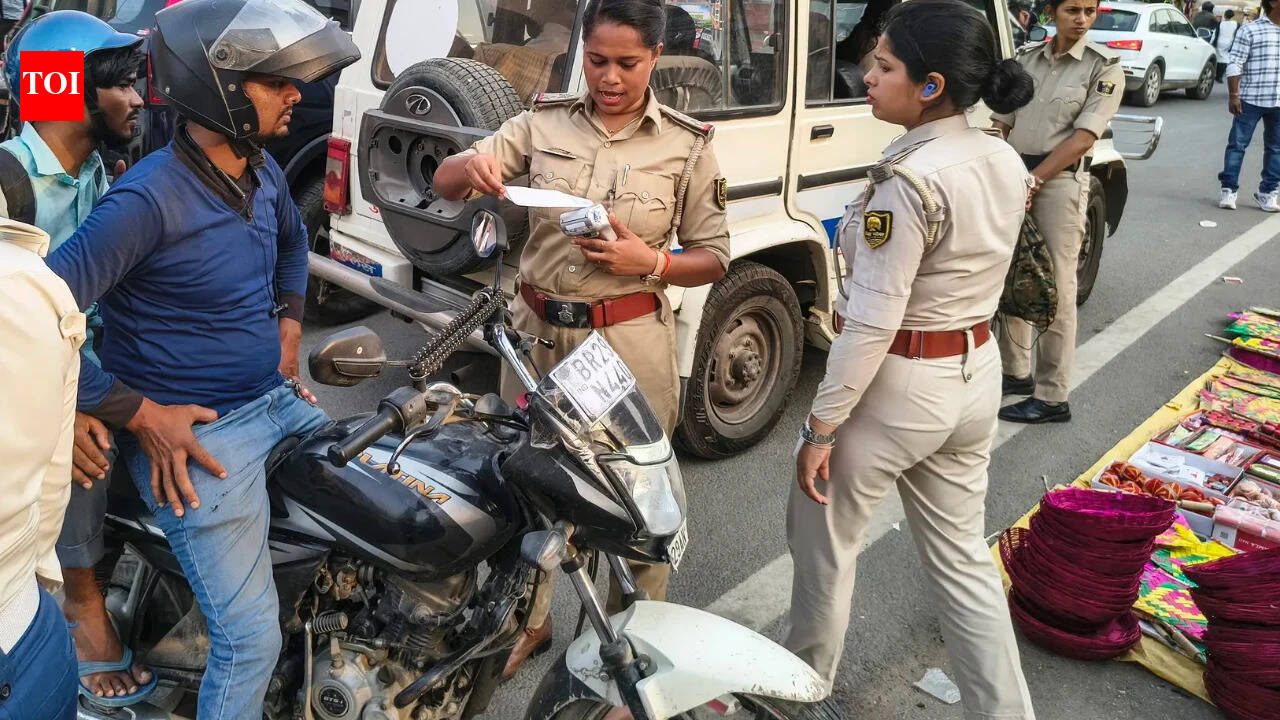
The Supreme Court of India has proposed linking unpaid traffic challans to electricity bills to improve fine recovery. Justices also recommended blacklisting vehicles and blocking ownership transfers for offenders.
Supreme Court Proposes Innovative Measures for Traffic Fine Enforcement
In a significant move to address the chronic issue of unpaid traffic fines, the Supreme Court of India has directed the government to explore unconventional recovery methods. A bench comprising Justices J.B. Pardiwala and K.V. Viswanathan emphasized that the current system of issuing e-challans is insufficient if the actual collection of penalties remains stagnant. The court highlighted that while authorities may issue thousands of digital notices, the lack of a robust recovery mechanism undermines the deterrent effect of traffic laws.
Linking Civil Utilities to Traffic Compliance
The court’s suggestion to link traffic challans directly to electricity bills represents a paradigm shift in how civil authorities might enforce compliance. By integrating these disparate administrative systems, the judiciary aims to create a financial pressure point that ensures accountability. The logic is that electricity is an essential service; by tying the payment of traffic penalties to the utility bill, the state could effectively force compliance, as non-payment would risk a disruption in power supply.
Strengthening Vehicle Accountability
Beyond utility integration, the bench proposed more direct punitive measures against the vehicles themselves. The recommendation to blacklist vehicles with outstanding fines and block their ownership transfers is a strategic approach to immobilize the secondary market for non-compliant vehicles. This ensures that a vehicle owner cannot evade responsibility by selling or transferring the asset, effectively tethering the legal liability to the vehicle's registration status.
Challenges in Administrative Implementation
The proposal faces significant logistical and administrative hurdles. Integrating the database of traffic police, which operates under state or municipal jurisdictions, with the systems of electricity distribution companies—which are often managed by different entities—requires a high degree of digital interoperability. Furthermore, the legal framework governing electricity supply and traffic enforcement would likely need amendments to allow for such cross-departmental debt collection.
Future Implications for Traffic Safety
If implemented, this "innovative approach" could set a precedent for how the state manages civic discipline. By moving away from purely punitive measures that rely on manual follow-ups, the government could transition toward an automated, centralized financial accountability model. This shift is intended to discourage habitual offenders who currently disregard e-challans, knowing that enforcement is often delayed or ineffective.
Conclusion
The Supreme Court’s intervention underscores a growing frustration with the low recovery rates of e-challans. While the proposal to link fines to electricity bills is bold and legally complex, it highlights the judiciary's intent to leverage existing digital infrastructure to ensure that traffic regulations are not merely suggestions, but enforceable mandates. The success of this initiative will depend on the government's ability to create a seamless, integrated system that balances administrative efficiency with the rights of citizens.