Council can seek appraisals from teachers' institues: SC
Source Entity
AMIT ANAND CHOUDHARY
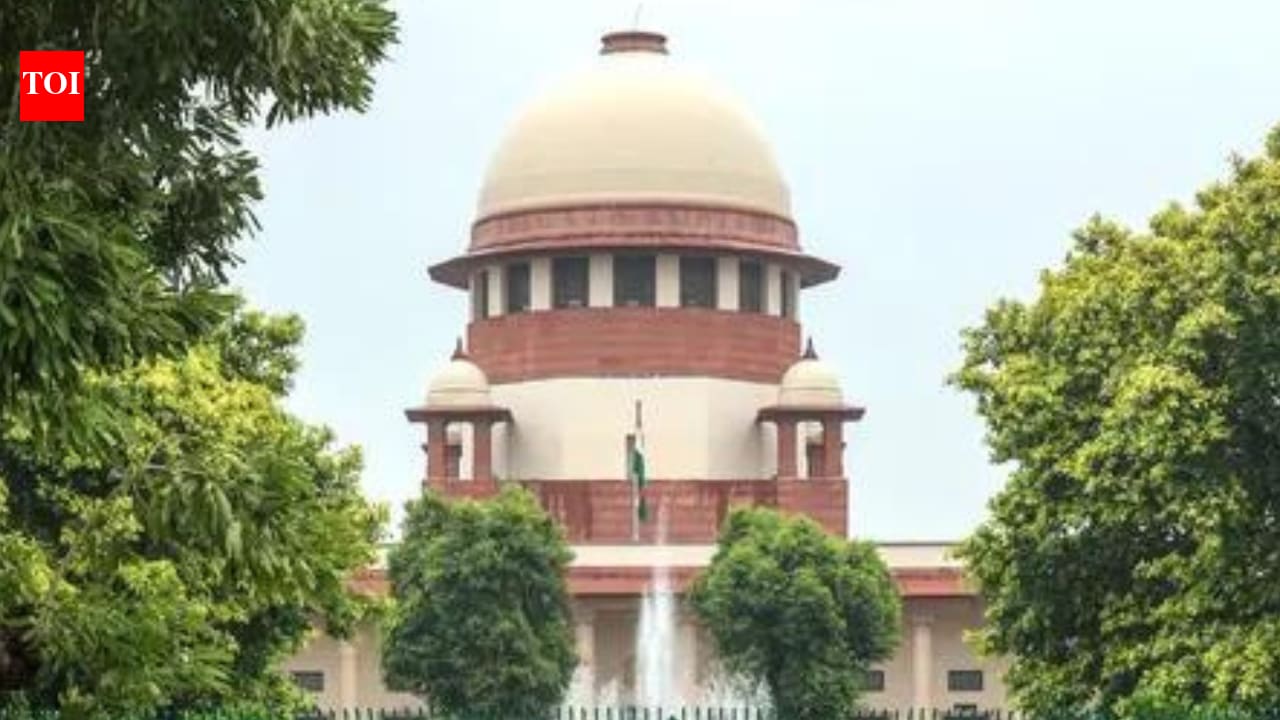
The Supreme Court has ruled that the National Council for Teacher Education (NCTE) is authorized to collect annual performance appraisal reports from teacher training institutions. This decision reinforces the NCTE's mandate to ensure educational quality and institutional accountability under the Right to Education Act.
Supreme Court Upholds NCTE Oversight in Teacher Education
In a significant legal development, the Supreme Court of India has reaffirmed the regulatory authority of the National Council for Teacher Education (NCTE). By ruling that the NCTE is entitled to seek annual performance appraisal reports (PAR) from teacher education institutions (TEIs), the bench led by Justices P.S. Narasimha and Alok Aradhe has set a clear precedent for institutional accountability in the pedagogical sector.
The Nexus Between Teacher Quality and Fundamental Rights
The court’s decision is deeply rooted in the constitutional recognition of education as a fundamental right. Since the enactment of the Right to Education (RTE) Act, the quality of instruction has shifted from a matter of administrative preference to a statutory necessity. The bench emphasized that because teachers serve as the primary architects of a nation's future, the institutions responsible for their training must operate under rigorous oversight to ensure they are meeting national standards.
Empowering the NCTE as a Regulatory Body
The core of the dispute centered on whether the NCTE possesses the legal standing to demand specific performance metrics from private and public teacher training colleges. By quashing a previous High Court order that presumably limited this authority, the Supreme Court has effectively restored the NCTE's ability to act as a proactive regulator. This ensures that the council can identify underperforming institutions and enforce corrective measures, thereby preventing the proliferation of substandard teacher training programs.
Implications for Institutional Accountability
The requirement for annual performance appraisals acts as a mechanism for transparency. In an era where teacher education is often criticized for a gap between theoretical training and classroom readiness, these reports serve as a vital diagnostic tool. The Supreme Court’s focus on 'accountability' suggests that TEIs will now face stricter scrutiny regarding their faculty standards, infrastructure, and pedagogical methodologies, ensuring they align with the broader objectives of the RTE Act.
Future Trends in Educational Governance
Looking forward, this ruling signals a broader trend of judicial support for specialized regulatory bodies in education. As the government continues to modernize the pedagogical landscape, the ability of statutory bodies to mandate data-driven reporting will likely become the standard. This shift suggests that institutions can no longer operate in a vacuum; they must be prepared to demonstrate their efficacy through quantifiable metrics, fostering a more competitive and high-quality environment for aspiring teachers across the country.
Conclusion
Ultimately, the Supreme Court’s intervention underscores a critical national priority: the elevation of teacher quality through robust institutional oversight. By empowering the NCTE to enforce performance reporting, the judiciary has taken a decisive step toward safeguarding the integrity of the educational system, ensuring that the fundamental right to education is supported by qualified, well-trained professionals.