Sena leader ‘who thrashed doctors’ drops plea as Supreme Court talks tough
Source Entity
The Indian Express
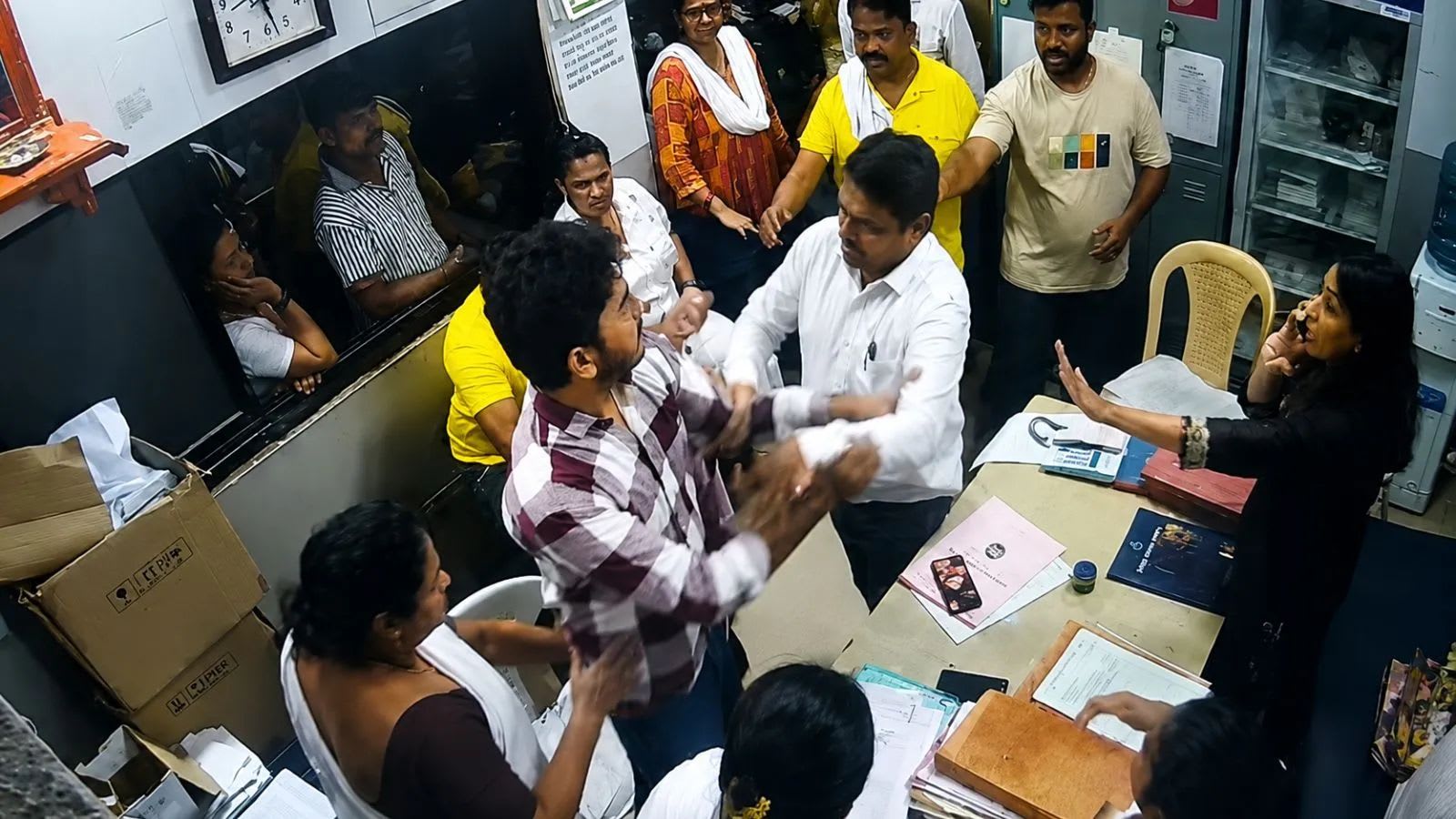
The Supreme Court has issued a notice to Shiv Sena corporator Ramesh Mhatre regarding the state's plea to cancel his bail following an assault on doctors in Thane. The court expressed strong condemnation of such violence, signaling a push for stricter judicial deterrents.
Supreme Court Takes a Firm Stand Against Assault on Healthcare Workers
The Supreme Court of India recently signaled a significant shift in judicial temperament regarding violence against medical professionals. A bench comprising Justices Vikram Nath and Sandeep Mehta issued a notice to Shiv Sena corporator Ramesh Mhatre, who stands accused of assaulting doctors and staff at the Shastri Nagar hospital in Kalyan, Thane. The court’s intervention follows a state-led challenge to the bail previously granted to Mhatre, marking a critical escalation in the legal repercussions for the accused.
The Judicial Stance: A Call for Deterrence
During the proceedings, the bench made scathing observations, noting that individuals involved in such violent acts "do not deserve to roam on the streets." The court emphasized that the frequency of these attacks is reaching a critical threshold, citing a recent related incident in Palghar involving the same group. By articulating that such behavior is unacceptable, the judiciary is clearly attempting to send a strong message of deterrence to society at large, reflecting the growing urgency to protect frontline healthcare workers.
Procedural History and Legal Maneuvers
The timeline of this case highlights the complexity of the legal battle. While a lower court initially granted bail, the Bombay High Court intervened on July 18, staying that order and characterizing it as "perverse," subsequently ordering Mhatre to surrender. Following the Supreme Court's firm verbal stance during the recent hearing, Mhatre opted to withdraw his own appeal, which had originally challenged specific bail conditions. This strategic retreat underscores the weight of the Supreme Court's current position on the matter.
Broader Implications for Healthcare Security
This incident is symptomatic of a larger, systemic issue facing the medical community in India. The repeated targeting of doctors and hospital staff creates a hostile environment that hinders the delivery of essential services. By linking the Thane incident to broader patterns of violence, including the recent Palghar occurrence, the Supreme Court is positioning these cases not as isolated events but as a public safety crisis that requires a unified legal response.
Future Trends and Judicial Oversight
The upcoming hearing, scheduled for September 28, will be pivotal in determining whether the bail will be officially cancelled. This case serves as a bellwether for how Indian courts might treat future cases of violence against public servants and medical staff. It is expected that the state government will continue to press for the cancellation of bail to ensure that the judicial process aligns with the need for public order and the safety of medical professionals.
Conclusion
The Supreme Court's intervention serves as a necessary intervention in the discourse surrounding the safety of healthcare providers. By challenging the leniency shown to the accused and emphasizing the need for strict consequences, the judiciary is reinforcing the principle that medical facilities must remain protected spaces. The outcome of this case will likely influence how similar future assaults are adjudicated across the country.