Supreme Court questions alcohol prohibition law, points to 5 'evils'
Source Entity
AMIT ANAND CHOUDHARY
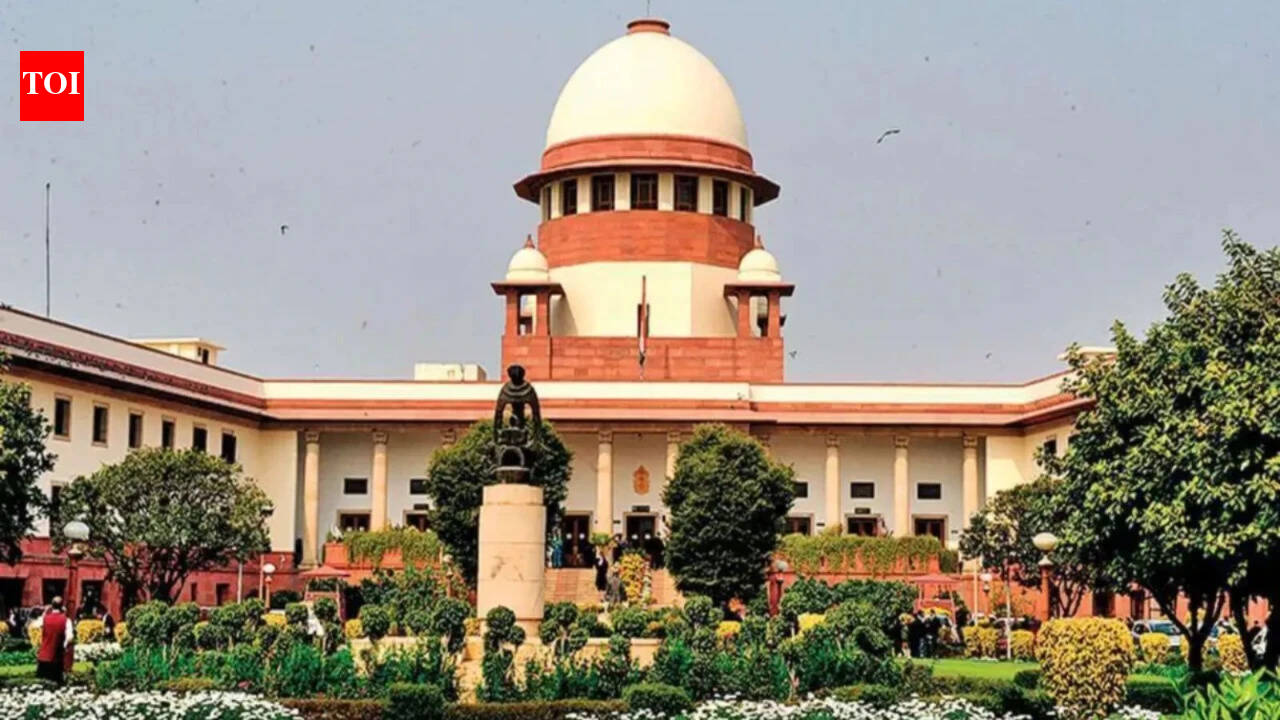
The Supreme Court of India has raised significant concerns regarding the implementation of alcohol prohibition laws. The court highlighted five distinct 'evils' arising from the ban, questioning the policy's efficacy and societal impact.
Judicial Scrutiny of Prohibition
The Supreme Court of India has initiated a critical examination of state-level alcohol prohibition laws, marking a pivotal moment in the discourse surrounding legislative morality versus individual liberty. By identifying five distinct 'evils' associated with these bans, the judiciary is signaling a shift toward evaluating the tangible socio-economic consequences of prohibition rather than merely its stated intent.
The Anatomy of the 'Five Evils'
While the specific 'evils' cited by the court highlight the unintended side effects of restrictive liquor policies, they typically encompass issues such as the rise of illicit liquor trade, the proliferation of organized crime syndicates, and the loss of state excise revenue. Furthermore, these bans often lead to the consumption of spurious and toxic alcohol, which poses severe public health risks to marginalized populations.
Historical Context and Legislative Intent
Prohibition in India is rooted in Directive Principles of State Policy, which encourage states to endeavor to bring about the prohibition of the consumption of intoxicating drinks. However, the Supreme Court's intervention suggests a growing tension between these constitutional ideals and the practical realities of enforcement, which often disproportionately impact lower-income demographics and clog the judicial system with minor offenses.
Economic and Social Implications
Beyond the legal framework, the economic argument remains a significant facet of this debate. States that enforce total prohibition often face substantial fiscal deficits, as excise duties on alcohol constitute a major source of revenue. The court's focus on these 'evils' indicates that the judiciary is weighing whether the social objective of sobriety justifies the resulting economic strain and the rise of a black-market economy.
Future Trends and Judicial Oversight
Looking ahead, this scrutiny could set a precedent for how states draft and implement social welfare legislation. If the Supreme Court continues to emphasize the negative externalities of the liquor ban, it may force state governments to move toward a more balanced regulatory framework—perhaps focusing on harm reduction and education rather than blanket prohibition, which history has shown often fails to curb consumption while fueling criminal activity.