Plea Seeking To Make Hindi Official Language In Supreme Court Rejected
Source Entity
NDTV News Search Records Found 1000
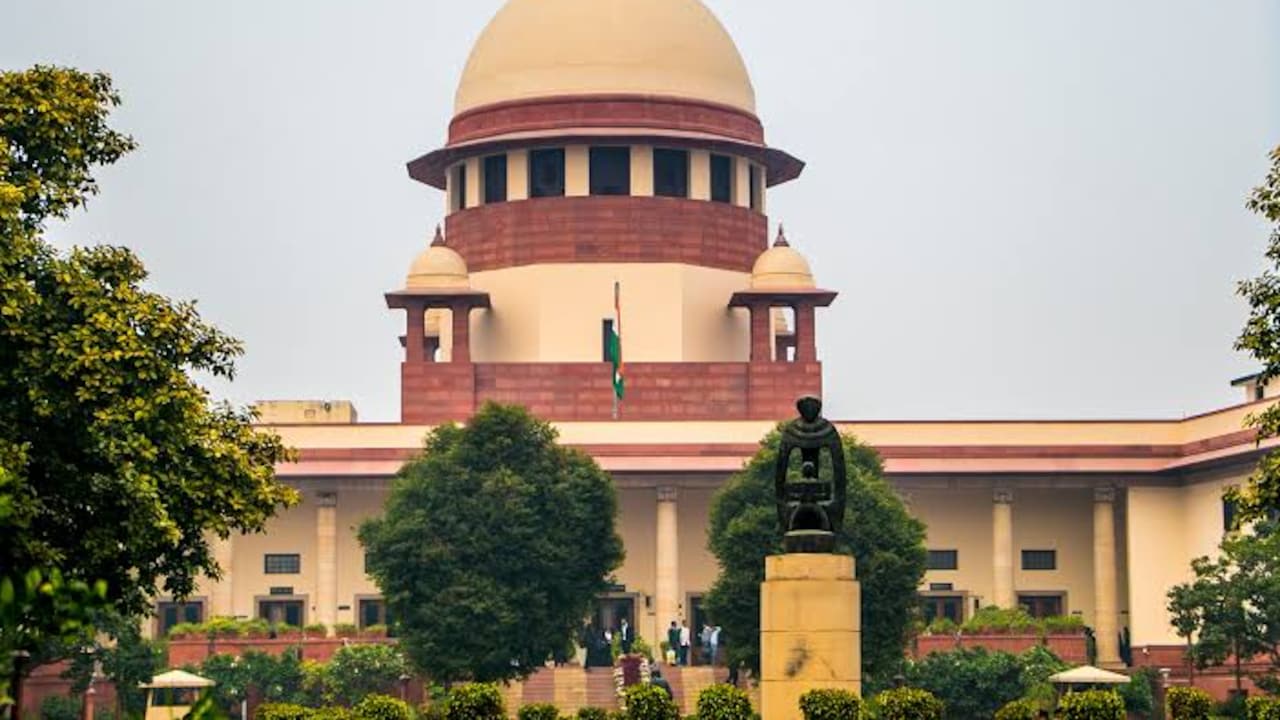
The Supreme Court of India has dismissed a PIL seeking to make Hindi an official language of the apex court. The bench stated that such changes require constitutional amendments and are currently being handled through administrative channels.
Judicial Dismissal of Hindi Language PIL
On September 25, 2026, the Supreme Court of India, led by a bench comprising Chief Justice Surya Kant and Justices Joymalya Bagchi and V Mohana, dismissed a Public Interest Litigation (PIL) that sought to establish a commission to evaluate the adoption of Hindi as an official language of the apex court. The petition, filed by Brahmeshwar Nath Mishra, aimed to prompt the Central government to create a formal framework for this linguistic transition within the judiciary.
The Constitutional Barrier
The primary reason for the court's rejection lies in the constitutional framework of India. The bench explicitly noted that the relief sought by the petitioner would necessitate a constitutional amendment. In the Indian legal system, the Supreme Court is tasked with interpreting the law, not creating or amending the foundational constitutional articles that dictate the official language of the judiciary. Such a sweeping change requires a complex legislative process that transcends judicial mandate.
Administrative vs. Judicial Prerogative
Beyond the constitutional constraints, the Supreme Court emphasized that language-related reforms are already being addressed through administrative mechanisms. The judiciary maintains that the evolution of language usage in court proceedings is a matter of administrative policy rather than an area for judicial intervention. By refusing to issue a writ or direction to the Centre, the court upheld the separation of powers, signaling that it will not dictate administrative policy to the executive branch.
Historical and Legal Context
The PIL attempted to leverage constitutional arguments to push for a shift in the linguistic landscape of the country's highest court. Currently, English serves as the primary language of the Supreme Court of India, a legacy of the colonial legal system that has persisted post-independence. While there have been long-standing debates regarding the accessibility of justice in local languages, the court has consistently maintained that such structural shifts require comprehensive legislative deliberation rather than piecemeal litigation.
Future Implications and Trends
The dismissal of this petition suggests that the judiciary intends to remain cautious regarding linguistic mandates. Any future transition toward using Hindi or other regional languages in the Supreme Court will likely depend on a national consensus and formal parliamentary action. As the legal landscape continues to modernize, the focus remains on enhancing access to justice, but as this ruling demonstrates, the mechanism for change must align with the constitutional hierarchy, ensuring that judicial orders do not override the legislative process.
Multiple Citing Sources
Verification Required?