US passport records in voter verification? Trump administration pushes new election data plan
Source Entity
Latest News: Todays Latest News Headlines from India & World | Hindustan Times | Hindustan Times
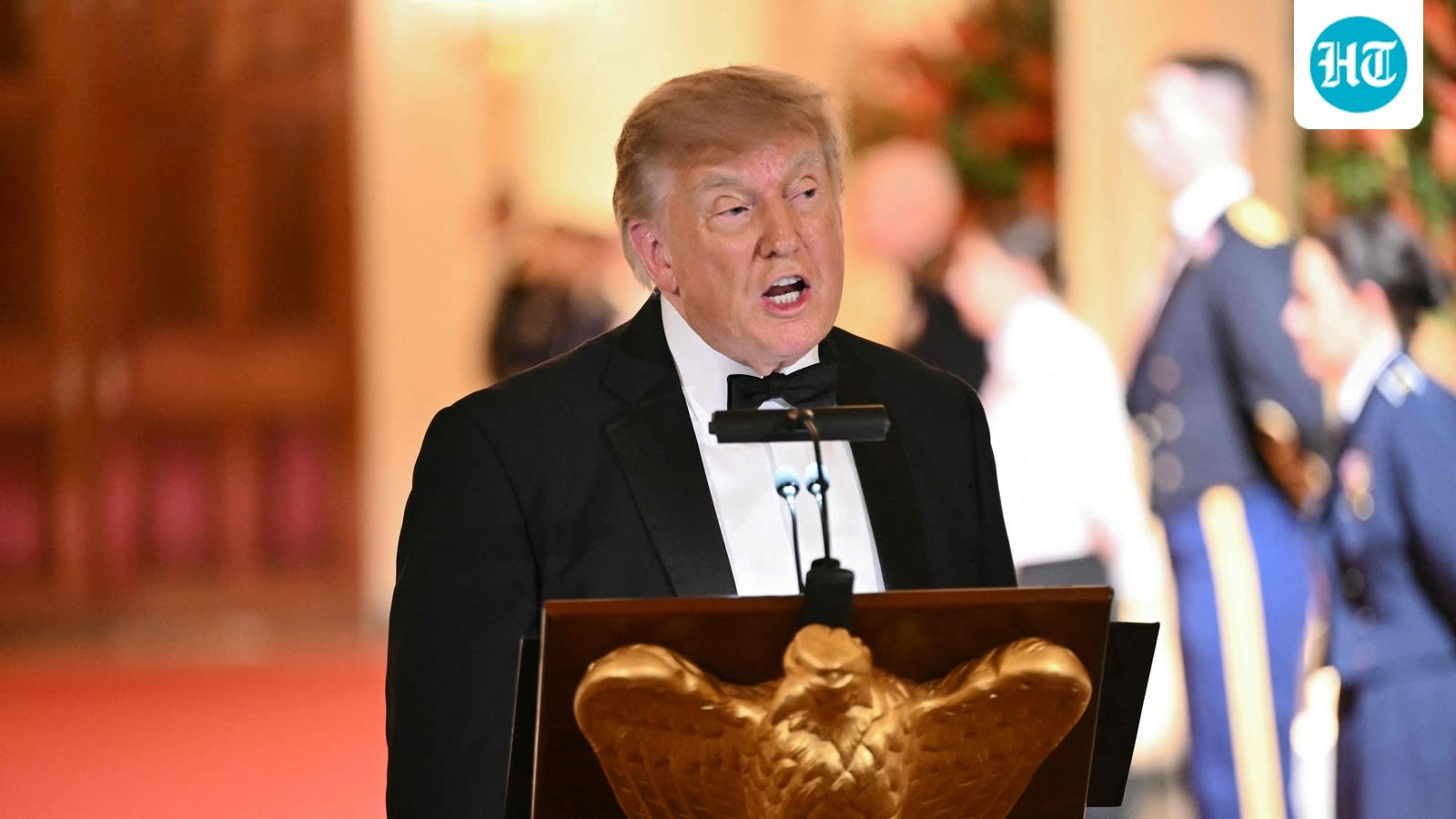
The Trump administration is proposing to expand access to US passport records to help state officials and potentially nonprofits verify voter eligibility. This move seeks to integrate federal citizenship data into state-level election integrity efforts.
The Integration of Federal Passport Data into Election Integrity
The Trump administration has initiated a significant policy shift by proposing the expansion of access to US passport records for the purpose of verifying voter eligibility. According to reports, the State Department is moving to include 'voter eligibility' as an approved 'routine use' for its passport-services database. This database, which contains sensitive information regarding citizenship and identity, has historically been restricted primarily to government agencies for narrow, essential functions. By broadening this access, the administration aims to facilitate a more robust verification process for state and local election officials.
Expanding Data Access to Non-Governmental Entities
One of the most consequential aspects of this proposal is the potential inclusion of nonprofit organizations in the data-sharing framework. Traditionally, federal records of this nature are shielded by strict privacy protocols to prevent unauthorized use or data leakage. Allowing private entities access to passport data for voter verification raises significant questions regarding the oversight of sensitive citizenship information. Critics and privacy advocates are likely to scrutinize how these organizations will be vetted, what security standards they must meet, and how the government intends to mitigate the risk of data misuse.
The Strategic Push for Voter Verification
This policy change is part of a broader, ongoing effort by the Trump administration to leverage federal databases to enhance state-level voter registration accuracy. By utilizing passport records—which serve as primary evidence of US citizenship—the administration hopes to create a more reliable mechanism for states to identify and remove ineligible individuals from voter rolls. This move reflects a long-standing emphasis on election integrity, specifically targeting the verification of citizenship status as a prerequisite for participating in federal elections.
Implications for Privacy and Federalism
The proposal highlights the inherent tension between national election security and the protection of personal privacy. Passport records are among the most sensitive documents held by the federal government, representing a vital link between the individual and their national identity. The shift from a closed government system to a more distributed model of data access could set a precedent for how federal records are managed in the future. Furthermore, the reliance on federal data for local election administration underscores the evolving nature of American federalism, where state authorities increasingly look to federal repositories to manage their own local electoral processes.
Future Trends in Election Data Management
Looking ahead, this proposal is likely to trigger a heated debate in Congress and the judiciary regarding the scope of executive authority over federal record-keeping. If implemented, the reliance on passport records for routine voter verification could fundamentally change the landscape of election administration in the United States. Future trends may see further integration of various federal identity databases—such as Social Security or immigration records—into the election verification ecosystem, provided this initial expansion of passport record access succeeds without significant legal or security setbacks. The outcome of this policy will likely serve as a litmus test for how much transparency versus security the public is willing to accept in the maintenance of voter rolls.
Verification Required?