What is Bengal’s controversial anti-Goonda Bill, why did it go for assent to the President?
Source Entity
The Indian Express
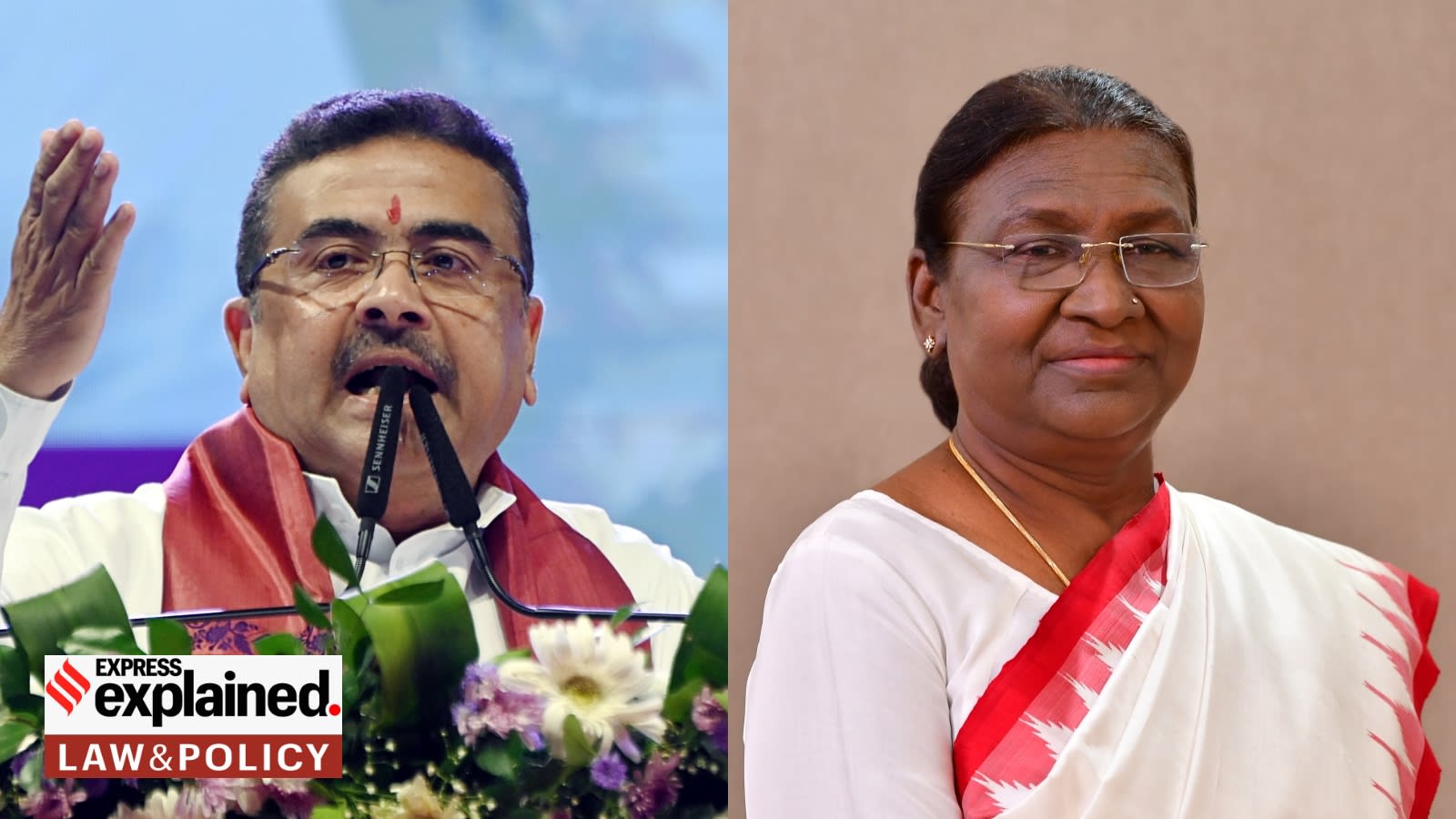
West Bengal's 'anti-Goonda Bill' faces a constitutional standoff as the Union government cites potential overlaps with the Central NDPS Act. While the Opposition demands its withdrawal, Chief Minister Suvendu Adhikari maintains the bill is still under active consideration for Presidential assent.
The Legislative Standoff: West Bengal’s Anti-Goonda Bill
The political landscape in West Bengal has been ignited by the introduction and subsequent administrative hurdles surrounding the West Bengal Public Safety and Control of Anti-Social Activities Bill, 2026. Often referred to as the 'anti-Goonda Bill,' this legislation was positioned as a cornerstone of the new BJP administration’s efforts to curb organized crime, including extortion, illegal mining, and cybercrime. Passed by the State Assembly on June 29, 2026, the bill represents a significant attempt by the state to expand its reach in the domain of preventive detention.
Constitutional and Legal Overlaps
The primary friction point lies in the potential for jurisdictional conflict between state and central law. Reports suggest that the Union government has flagged the bill due to its overlap with the existing Prevention of Illicit Traffic in Narcotic Drugs and Psychotropic Substances (PITNDPS) Act, 1988. The central government’s concern centers on the creation of a 'parallel preventive-detention mechanism' that could undermine federal standards regarding drug-related activities. This intersection highlights the complexity of legislative harmony in India’s federal structure, where state-level initiatives must be meticulously vetted against established central statutes.
The Political Fallout
The legislative process has become a theater for intense political maneuvering. The Opposition, led by figures like TMC MP Abhishek Banerjee and MLA Kunal Ghosh, has been vocal in its criticism. The narrative from the opposition camp frames the bill as an draconian measure, with comparisons drawn to the colonial-era Rowlatt Act. Banerjee’s public mockery regarding the bill being 'returned for correction' underscores the broader struggle for political legitimacy between the state government and its detractors.
Conflicting Administrative Narratives
A notable point of contention is the status of the bill itself. While initial reports indicated that President Droupadi Murmu had returned the bill for reconsideration, Chief Minister Suvendu Adhikari has publicly refuted these claims. During a recent press conference, Adhikari asserted that the bill remains 'under consideration' by the Union Home Ministry. This contradiction highlights a lack of clarity in communication between the state administration and the public, further fueling the uncertainty surrounding the bill's future.
Broader Implications and Future Trends
The fate of the anti-Goonda Bill serves as a litmus test for the relationship between the West Bengal government and the central authorities. If the bill is indeed returned for substantial revisions, it will force the state to recalibrate its approach to public safety legislation to ensure it does not infringe upon central mandates. Conversely, if it receives assent, it could set a precedent for states to adopt more aggressive preventive detention tactics. As the situation evolves, the administration’s ability to navigate these legal bottlenecks will be a defining feature of its governance strategy in the coming years.