Supreme Court rejects West Bengal madrasa teachers’ plea for regularisation, benefits
Source Entity
Ananthakrishnan G
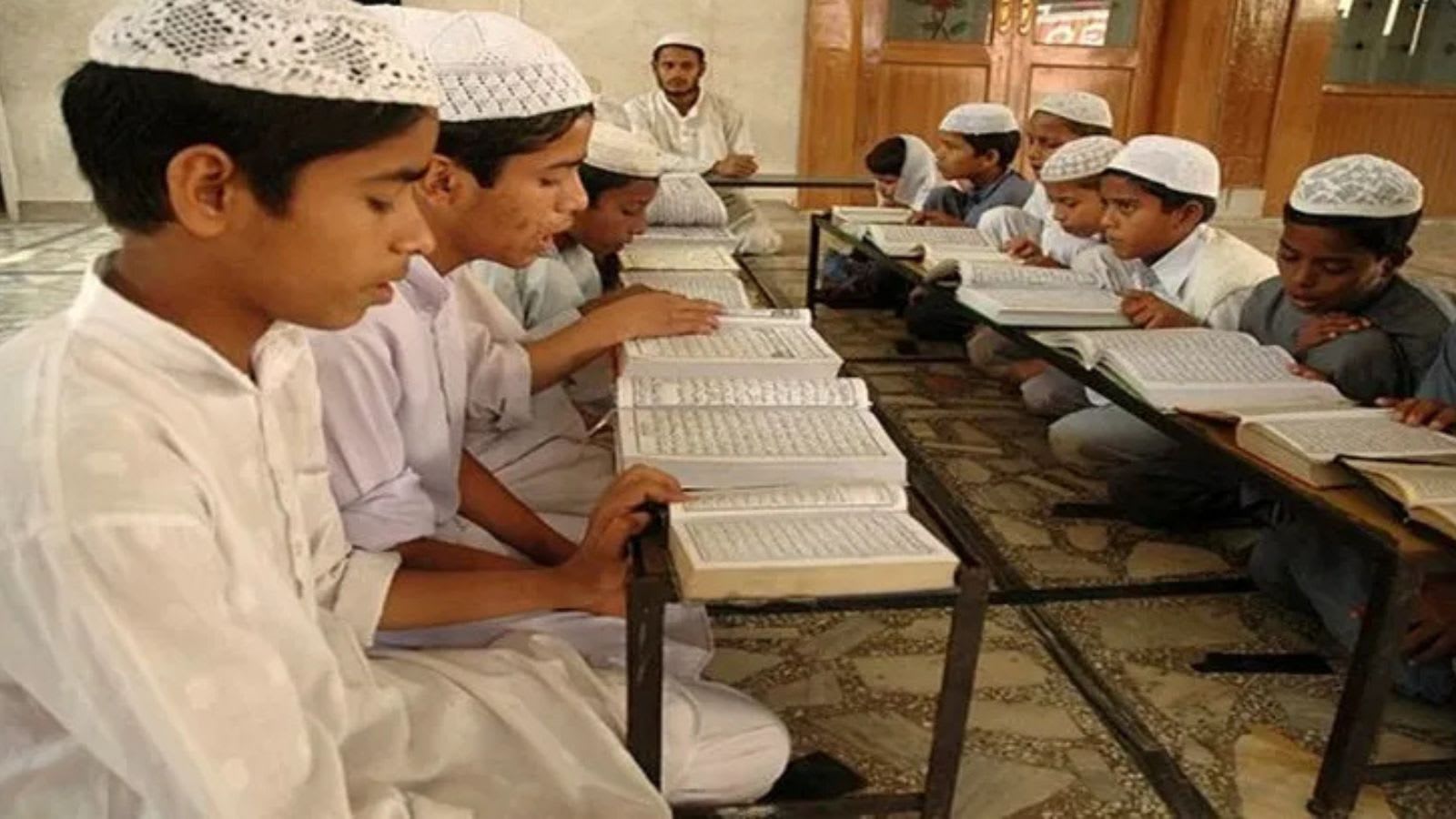
The Supreme Court Monday dismissed a clutch of petitions by teachers and non-teaching staff of madrasas in West Bengal seeking regularisation of their appointments and claims for salaries and allowanc...
Supreme Court Denies Regularization for West Bengal Madrasa Staff
In a significant legal development, the Supreme Court of India has dismissed a series of petitions filed by teachers and non-teaching staff employed in madrasas across West Bengal. The petitioners had sought the regularization of their employment status, arguing for the transition from contractual or irregular appointments to permanent government-recognized positions, which would have entitled them to full salaries, allowances, and other service benefits. This ruling serves as a definitive legal conclusion to a prolonged struggle for employment security within the state's religious educational framework.
The Legal Impasse of Regularization
Regularization of service is a complex legal process in India, often contested between employees seeking stability and the state seeking to manage fiscal burdens and recruitment standards. In this specific case, the petitioners likely argued that their years of service should entitle them to permanent status. However, the Supreme Court's dismissal suggests that the legal requirements for regularization—such as a valid recruitment process, sanctioned posts, and adherence to state service rules—were not met. By rejecting these pleas, the Court has reaffirmed that long-term contractual service does not automatically translate into a right to permanent employment unless specifically mandated by law or a binding government policy.
Administrative Context in West Bengal
West Bengal has a unique administrative approach to madrasa education, integrating them into the state's broader educational funding and oversight mechanisms. While the state provides significant financial support to these institutions, the nature of the appointments for staff often remains a point of contention. The tension here lies between the operational need for staff to run these institutions and the administrative reluctance to absorb them into the permanent state payroll. This ruling underscores the gap between the functional reality of these educators and their legal standing as employees of the state.
Broader Implications for Contractual Educators
This judgment carries weight beyond the specific context of madrasas, sending a signal to contractual workers across various educational sectors in India. It reinforces the judicial trend of prioritizing formal recruitment procedures over 'de facto' regularization based on tenure. For many educators working under temporary arrangements, this decision highlights the precariousness of their positions and the high legal threshold required to challenge appointment terms in the highest court of the land. It emphasizes that the judiciary is unlikely to bypass statutory recruitment norms to grant benefits to irregular appointees.
Fiscal Considerations and State Policy
From a governance perspective, the regularization of a large number of staff members imposes a substantial financial burden on the state exchequer, involving not only monthly salaries but also long-term pension liabilities and gratuities. The Supreme Court's decision effectively shields the West Bengal government from these immediate and long-term financial obligations. It allows the state to maintain its current budgetary allocations without being forced by judicial mandate to expand its permanent payroll for these specific institutions.
Future Outlook and Systemic Reforms
Looking forward, this ruling may prompt a shift toward more transparent and merit-based recruitment processes within West Bengal's madrasa system to avoid future legal disputes. To prevent the recurrence of such petitions, the state may be inclined to standardize appointment letters and clearly define the temporary nature of certain roles. For the affected teachers, the decision marks the end of a legal avenue for regularization, likely forcing a focus on seeking alternative employment or accepting the terms of their current contractual engagements.
Summary
Ultimately, the Supreme Court's refusal to grant regularization to West Bengal madrasa staff reaffirms the primacy of formal recruitment laws over tenure-based claims. While the decision provides the state with fiscal and administrative relief, it leaves a significant number of educators without the professional security and benefits they sought, highlighting the ongoing challenges of employment stability in state-funded religious education.