Supreme Court seeks response of Centre, ECI on PIL for reforms in anti-defection law
Source Entity
India Latest News: Top National Headlines Today & Breaking News | The Hindu
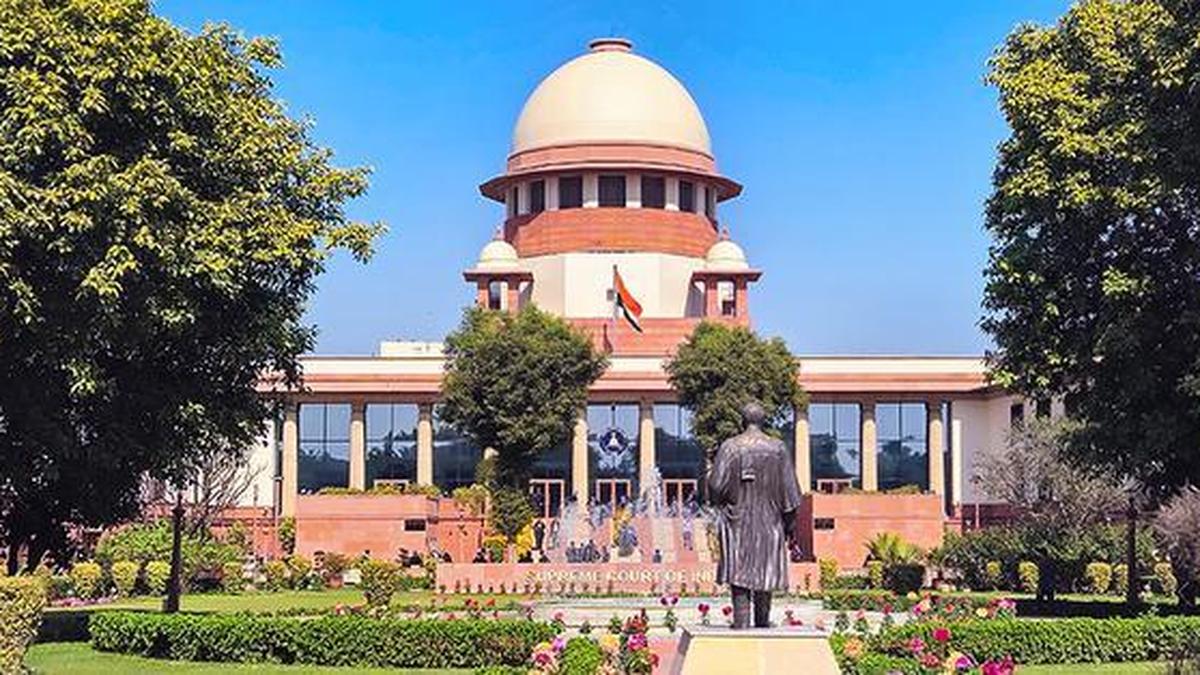
The Supreme Court has issued notices to the Centre and the ECI regarding a PIL seeking urgent reforms to the anti-defection law. The petition targets the misuse of resignations by lawmakers to bypass disqualification and destabilize elected governments.
Judicial Scrutiny of the Anti-Defection Framework
On November 23, 2026, the Supreme Court of India took a significant step toward addressing the systemic vulnerabilities in the nation's political landscape. A bench led by Chief Justice Surya Kant, alongside Justices Joymalya Bagchi and V. Mohana, issued formal notices to the Union Government, the Election Commission of India (ECI), and the Law Commission. This judicial intervention follows a Public Interest Litigation (PIL) filed by petitioner A. Sethu, which highlights critical loopholes in the existing anti-defection laws that have increasingly become a point of contention in modern Indian governance.
The Mechanics of Political Instability
The core of the PIL revolves around the strategic exploitation of resignation mechanisms by elected representatives. Under the current legal framework, the Tenth Schedule of the Constitution is designed to prevent 'floor-crossing' or defection; however, the petition argues that representatives are weaponizing their power to resign as a tactical maneuver. By resigning, these members effectively circumvent impending disqualification proceedings that would otherwise be triggered by their political maneuvers, thereby destabilizing state governments and altering the legislative majority without a fresh mandate from the electorate.
Legal and Institutional Implications
The involvement of the Ministry of Law and Justice and the Ministry of Parliamentary Affairs underscores the gravity of the issue. The judiciary is essentially being asked to determine whether the current interpretation of the law—or the lack of specific procedural safeguards—facilitates an environment where the 'will of the people' is secondary to the maneuvering of individual legislators. This case forces a direct confrontation between the right of a member to resign and the duty to uphold the mandate given by the voters in a general election.
Historical Context and Legislative Intent
The anti-defection law was originally enacted to bring stability to the parliamentary system by curbing the 'Aaya Ram, Gaya Ram' culture of the 1960s and 70s. However, the evolution of political tactics has outpaced the statute. The petitioner, represented by lawyers R. Satish Kumar and Jatin, seeks to bridge this gap by demanding comprehensive reforms. Historically, the courts have been cautious about interfering in the internal workings of legislatures, yet this move suggests a growing consensus that the judiciary must step in when constitutional mechanisms are being used to subvert the democratic process.
Future Trends and Judicial Oversight
Looking ahead, the response from the Centre and the Election Commission will be pivotal in shaping the future of Indian electoral politics. If the Supreme Court mandates stricter guidelines on the acceptance of resignations or imposes cooling-off periods for defectors who resign, it could fundamentally alter how political parties manage their internal cohesion. This case is likely to set a precedent that balances the individual rights of representatives with the collective stability of the government, potentially leading to a more robust and ethically bound legislative environment.
Verification Required?