Supreme Court gives split verdict on sending petition over poll body chief’s appointment to Constitution Bench
Source Entity
Express Web Desk
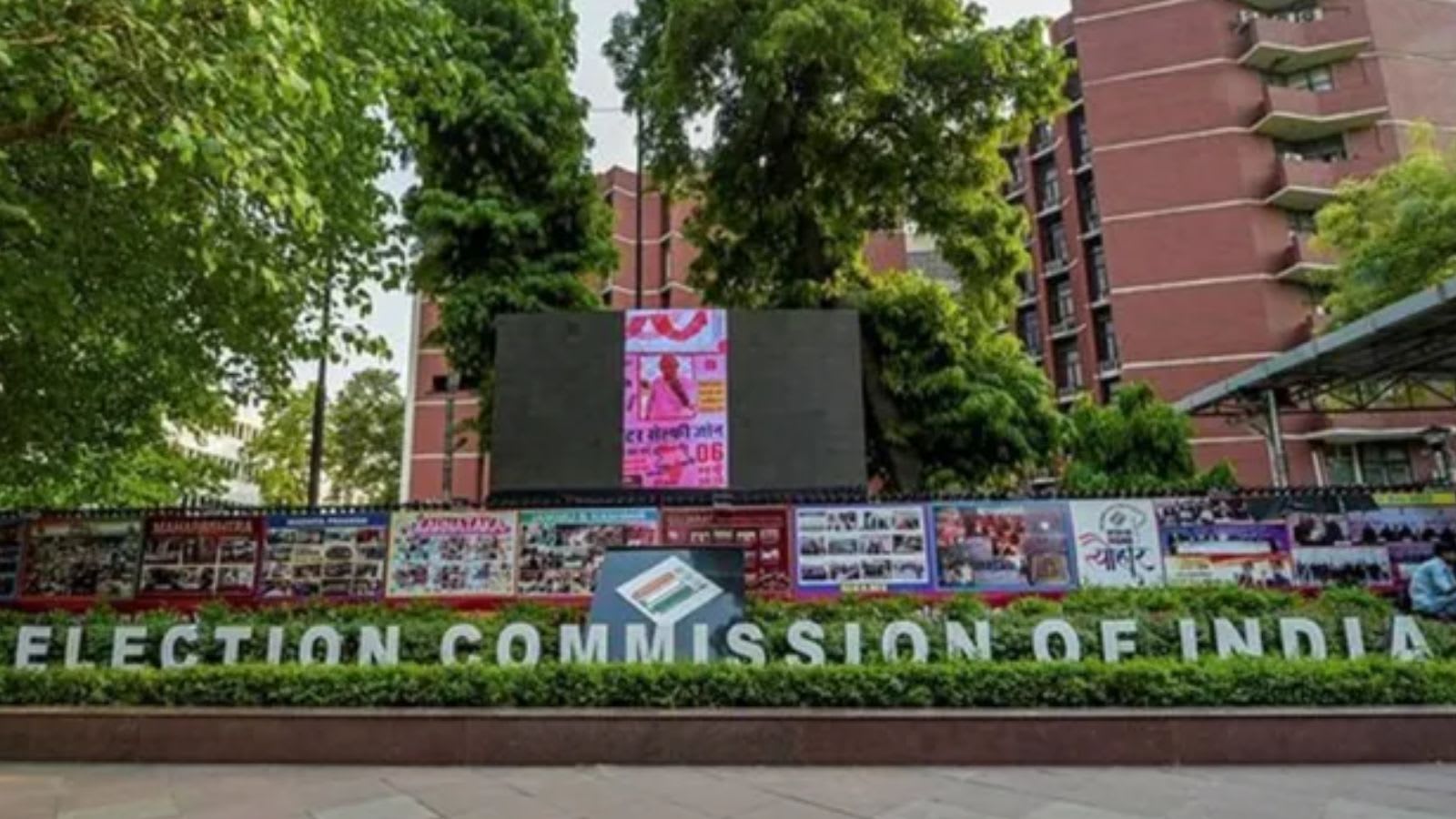
The Supreme Court delivered a split verdict regarding the referral of petitions challenging the Election Commissioners (Appointment) Act to a five-judge Constitution Bench. The core controversy involves the exclusion of the Chief Justice of India from the selection committee for top election officials.
The Judicial Impasse on Election Commission Appointments
The Supreme Court of India recently reached a significant procedural impasse concerning the legal framework governing the appointment of the Chief Election Commissioner (CEC) and Election Commissioners (ECs). A bench comprising Justices Dipankar Datta and Satish Chandra Sharma delivered a split verdict regarding whether the ongoing challenges to the Election Commissioners (Appointment) Act should be referred to a larger, five-judge Constitution Bench. This judicial deadlock underscores the high stakes involved in the administrative control and structural integrity of India's apex electoral body.
The Core Constitutional Challenge
At the heart of the litigation are petitions filed by the Association for Democratic Reforms (ADR) and Congress leader Jaya Thakur, among others. These petitioners are fundamentally challenging the constitutional validity of the Election Commissioners (Appointment) Act. The primary grievance centers on the legislative decision to exclude the Chief Justice of India (CJI) from the high-level committee responsible for selecting the CEC and ECs. Critics argue that this exclusion diminishes the judicial oversight historically deemed necessary to ensure the neutrality of the Election Commission of India.
Historical Context and Judicial Oversight
To understand the gravity of this split verdict, one must consider the role of the judiciary in maintaining the independence of constitutional institutions. The move to exclude the CJI from the selection panel represents a departure from previous judicial interpretations regarding the appointment process. By seeking a referral to a five-judge Constitution Bench, the petitioners aim to elevate this debate to a level where the fundamental constitutional principles of separation of powers and institutional independence can be rigorously tested against the current legislative enactment.
Procedural Implications and Future Trends
As the bench remains divided on the question of referral, the legal community is closely monitoring the next steps. A split verdict often necessitates the involvement of a larger bench to resolve the procedural disagreement, potentially delaying the final adjudication on the Act's validity. This case is likely to set a long-term precedent for how the executive and judiciary interact regarding the staffing of independent constitutional bodies, potentially influencing future election law reforms.
Broader Significance for Democracy
The independence of the Election Commission is a cornerstone of Indian democracy. The ongoing litigation highlights a broader societal and legal tension: the balance between legislative sovereignty in drafting election laws and the judicial mandate to protect the institutional integrity of independent bodies. As this matter moves forward, the Supreme Court's eventual ruling will likely serve as a definitive guide on whether the current appointment process satisfies the constitutional requirements for a fair and impartial electoral authority.