No stay on Centre's decision to impose MDR on UPI payments: Supreme Court
Source Entity
Latest News: Todays Latest News Headlines from India & World | Hindustan Times | Hindustan Times
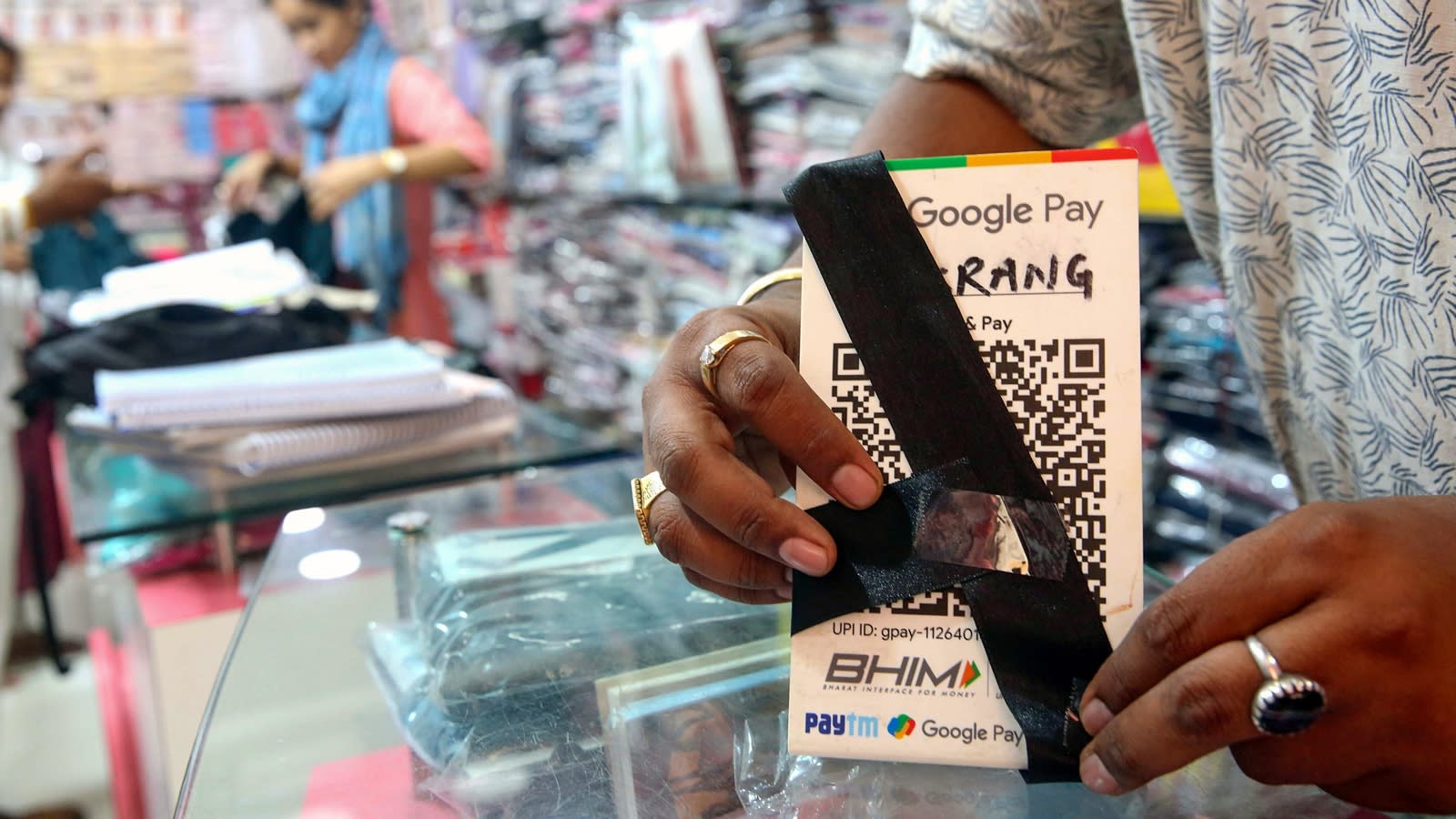
The Supreme Court has declined to stay the government's decision to impose a 0.4% Merchant Discount Rate (MDR) on UPI transactions over ₹2,000. While issuing notice to the Centre, the Court raised concerns regarding the legal classification and nature of these charges.
Supreme Court Declines Stay on UPI Merchant Discount Rate
The Supreme Court of India has formally declined to grant an interim stay on the central government’s decision to implement a 0.4% Merchant Discount Rate (MDR) on specific Unified Payments Interface (UPI) person-to-merchant transactions exceeding ₹2,000. The directive, which took effect on October 15, has sparked significant debate regarding the fiscal architecture of India’s digital payment ecosystem. While the Court refused to halt the rollout, it has issued a notice to the Union of India, mandating that the Centre and other relevant stakeholders file counter-affidavits within four weeks to address the legal challenges posed by the petitioners.
Defining the Financial Mechanism
At the core of the judicial inquiry is the fundamental nature of the MDR. During the proceedings, a three-judge Bench led by Chief Justice of India Surya Kant, alongside Justice Joymalya Bagchi, scrutinized the government's characterization of the charge. Justice Bagchi pointedly questioned the Additional Solicitor General, N. Venkataraman, regarding the nomenclature of the levy, famously asking if the charge is "neither a tax nor a fee," then what is the justification for such "expropriation." This line of questioning underscores the Court’s view that the issue may be less about static legal interpretation and more about the technical and economic implications of the new framework.
The Scope of the New Framework
The government has defended the move by emphasizing that the vast majority of users remain unaffected. According to official statements, approximately 96% of individuals using payment gateways are exempt from the new MDR regime. The fee is specifically targeted at the merchant side of the transaction, intended to compensate the entities—including banks, payment service providers, and third-party applications—that facilitate the digital payment infrastructure. The Finance Ministry has concurrently issued clarifications stating that UPI application providers are strictly prohibited from imposing additional platform fees or hidden costs on end-users.
Stakeholder Resistance and Market Impact
Despite the government’s assurances, the implementation has faced resistance from the merchant community. Reports of shopkeepers attaching black bands to their QR code scanners serve as a visual protest against the additional financial burden. For small and medium-sized enterprises, the 0.4% levy on transactions over ₹2,000 represents a direct impact on their margins, prompting concerns about the long-term sustainability of free digital payments for businesses. The judiciary's decision to seek further documentation suggests a cautious approach to balancing digital adoption with the economic realities faced by merchants.
Broader Implications and Future Outlook
This legal battle highlights the growing tension between scaling digital public infrastructure and the cost-recovery models required to sustain it. As India’s UPI network continues to process record-breaking volumes, the transition from a zero-cost model to one involving MDR requires significant regulatory clarity. The upcoming counter-affidavits from the Centre will be critical in defining whether this charge constitutes a necessary utility fee or an overreach. The Court’s decision to keep the matter open for detailed review indicates that while the system will continue to operate for now, its legal standing remains under intense scrutiny as the nation navigates the evolution of its digital economy.
Verification Required?