'Discussions ended the day he left us': Sule breaks silence on NCP merger buzz
Source Entity
ABHISHEK MISHRA
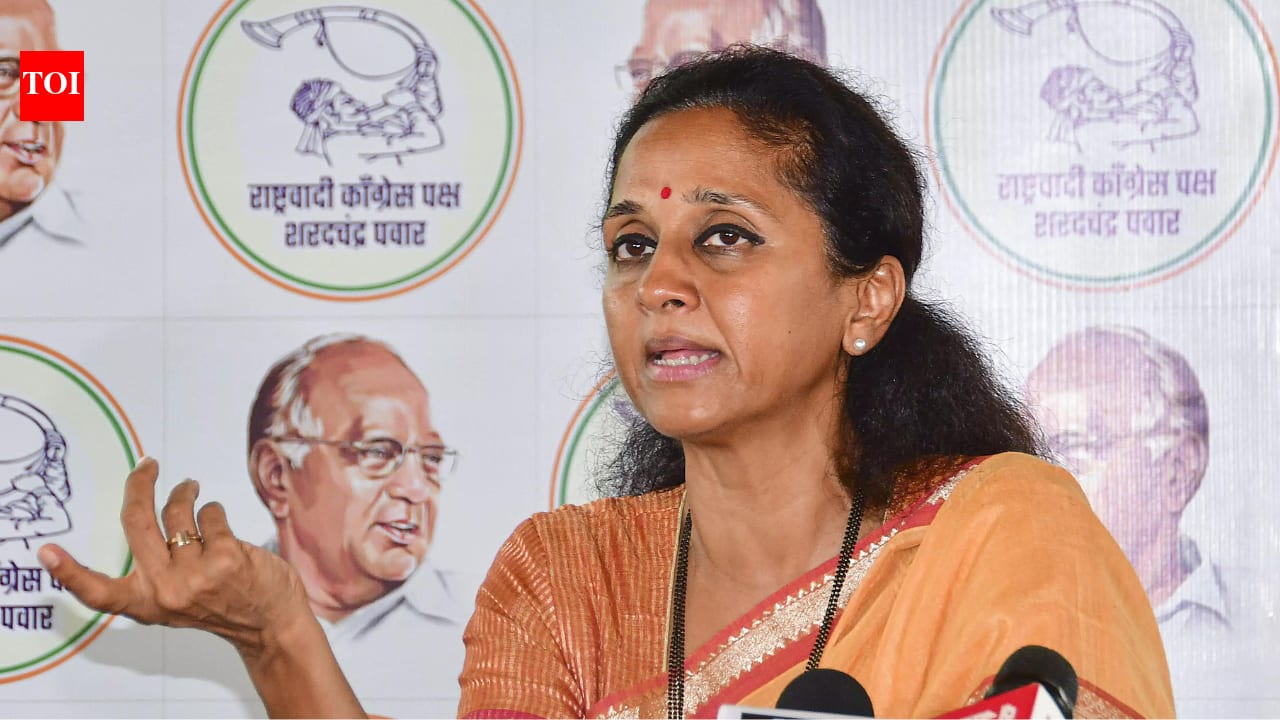
Supriya Sule of the NCP-SP has definitively ruled out a merger with the rival faction led by Sunetra Pawar. This follows the death of Ajit Pawar in a January plane crash, which Sule identifies as the final point of communication between the two camps.
The End of NCP Merger Speculation: A Definitive Stance
The Finality of a Personal Loss
The recent statements from Supriya Sule, the working president of the Nationalist Congress Party – Sharadchandra Pawar (NCP-SP), mark a critical turning point in Maharashtra's volatile political landscape. By explicitly stating that a "full stop" has been placed on any potential merger with the rival faction currently led by Sunetra Pawar, Sule has effectively dismantled weeks of intense media speculation. The crux of her argument is deeply personal: she maintains that the window for any political reconciliation closed permanently following the tragic death of her cousin, Ajit Pawar, in a plane crash near Baramati this past January.
Clarifying the Absence of Dialogue
Beyond the emotional weight of her statement, Sule provided a clear administrative perspective on the current state of affairs. She emphasized that there has been no formal or informal outreach from the rival camp. By clarifying that no communication—whether via phone, WhatsApp, SMS, letter, or email—has been received, she has neutralized rumors suggesting that back-channel negotiations were underway. This lack of engagement underscores the deep-seated divisions that have persisted within the party architecture since the initial split.
Sunetra Pawar’s Stance and Internal Dynamics
Complementing Sule’s position, Sunetra Pawar has provided the first official denial from the leadership regarding the alleged consultation process. Reports had suggested that Sunetra Pawar was gauging the opinions of her legislators concerning a possible reunification. However, her direct denial to the press serves to further deflate the narrative that the rival faction was actively pursuing a merger. This synchronization of denials from both sides of the political aisle suggests that the "reunion buzz" was largely a product of external political conjecture rather than internal strategic planning.
Historical Context and Political Implications
To understand the magnitude of these statements, one must consider the broader history of the NCP. The party, which had previously navigated complex internal dynamics, saw significant upheaval following the passing of Ajit Pawar and the subsequent transition of leadership to Sunetra Pawar. The merger rumors had gained traction following meetings between senior NCP leaders and Union Home Minister Amit Shah, leading many observers to wonder if a central intervention was pushing for a unified front. Sule’s firm rejection suggests that the NCP-SP remains committed to its independent path, refusing to be swayed by external political pressures.
Future Trends and Political Stagnation
Looking ahead, it is highly likely that this "full stop" will lead to a period of political stabilization, albeit one defined by continued bifurcation. The refusal to engage in merger talks suggests that the NCP-SP is focusing on consolidating its own voter base and identity rather than seeking a compromise with a faction that holds differing ideological or strategic allegiances. As Maharashtra prepares for future electoral cycles, this clear stance will force both factions to rely on their distinct organizational structures and local support, effectively ending the era of "reunion" speculation for the foreseeable future.
Multiple Citing Sources