Surat student suicide: 2 resident doctors accused of ragging appear before police
Source Entity
The Indian Express
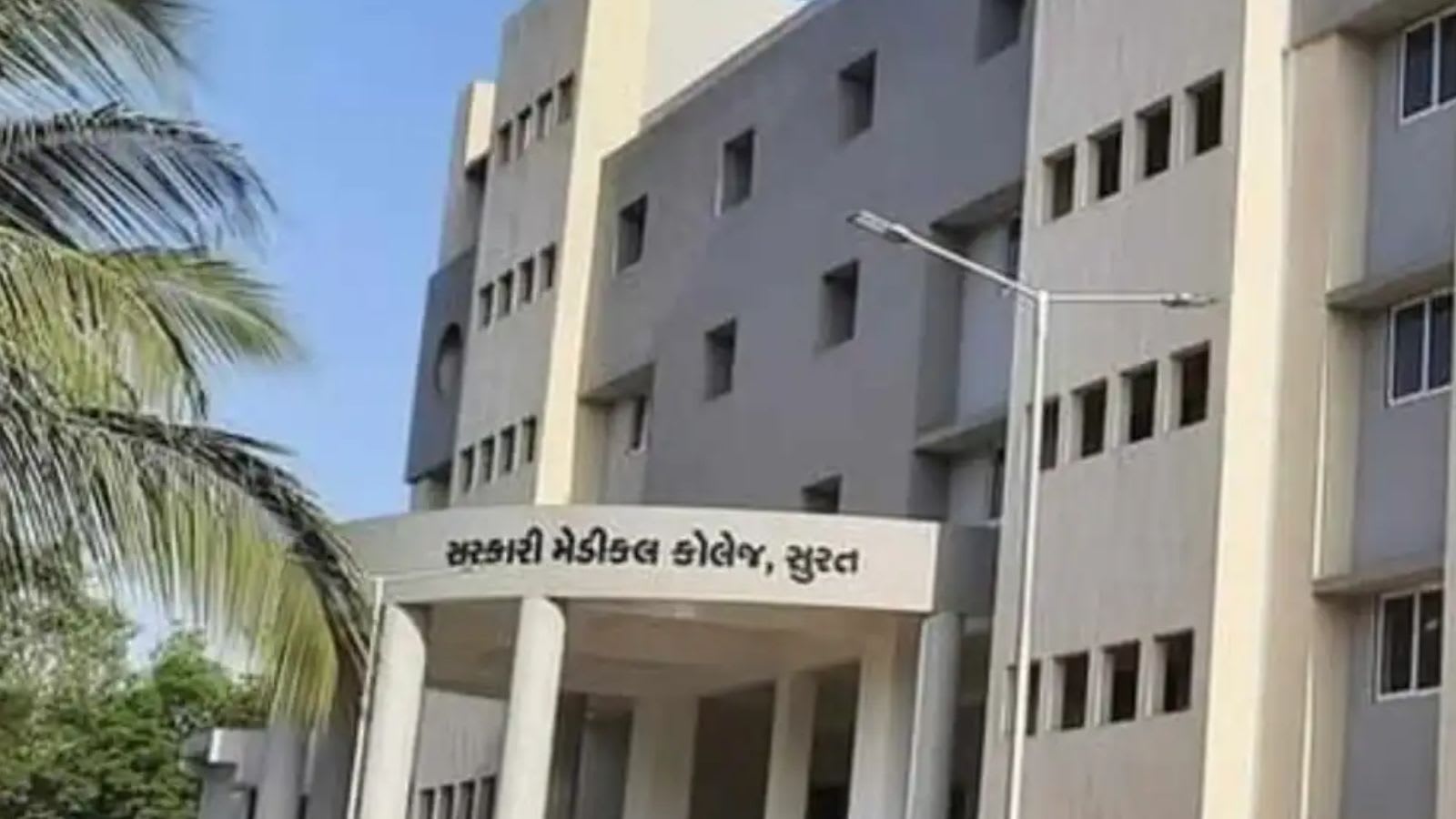
Two resident doctors from Surat’s Government Medical College have appeared before police following the suicide of Dr. Harsh Pandya. The investigation into allegations of ragging continues as police summon the remaining suspects.
Tragedy at Government Medical College, Surat
The academic community in Gujarat is reeling following the tragic death of Dr. Harsh Pandya, a 29-year-old first-year postgraduate student at the Government Medical College (GMC), Surat. Dr. Pandya was discovered deceased in his hostel room on August 9, an event that has since triggered a formal police investigation into allegations of systemic harassment and ragging within the institution’s postgraduate medical department.
The Investigation Process
In response to the accusations brought forth, the Surat police have initiated a rigorous inquiry. Two of the four second-year Microbiology postgraduate students identified as primary suspects in the ragging allegations appeared before investigators on Friday. Following the recording of their initial statements, the individuals were permitted to return home, though the investigation remains active. Authorities have indicated that the remaining two suspects are expected to cooperate with the ongoing inquiry by appearing before investigators shortly.
The Shadow of Ragging in Medical Education
Ragging, defined as the systematic abuse or humiliation of junior students by seniors, remains a persistent issue within Indian medical colleges. Despite stringent anti-ragging laws and directives from the National Medical Commission (NMC), the power hierarchy inherent in residency programs often shields such practices. The death of Dr. Pandya underscores the severe psychological toll that such environments can exert on medical professionals, who are already navigating the high-stress landscape of advanced clinical training.
Institutional Accountability and Safety
The incident at GMC Surat brings the issue of institutional accountability to the forefront. Medical colleges are mandated to maintain anti-ragging committees and ensure a safe, non-toxic environment for all residents. The fact that an investigation is now centered on second-year students suggests a failure in the oversight mechanisms intended to prevent such interpersonal conflicts from escalating into life-threatening situations. The broader medical community is now calling for a more transparent inquiry to determine how these internal dynamics were allowed to persist.
Broader Implications and Future Trends
This tragedy is likely to serve as a catalyst for renewed scrutiny of residency programs across India. Expect to see increased pressure on academic institutions to implement more robust mental health support systems and stricter enforcement of anti-ragging protocols. As the legal proceedings against the four accused students progress, the outcome will likely set a precedent for how medical colleges handle allegations of harassment, potentially leading to policy shifts in how seniority is managed within high-pressure clinical departments.
Conclusion
The loss of Dr. Harsh Pandya is a stark reminder of the human cost of unchecked academic bullying. As the Surat police continue their work, the focus must remain on ensuring justice for the victim while addressing the systemic failures that allowed this environment to exist. The medical fraternity and the public alike await the conclusion of the investigation, hoping for systemic changes that ensure no other student is driven to such extremes.