Surat civic body fines P P Savani Institute Rs 1 lakh over food poisoning incident
Source Entity
Kamal Saiyed
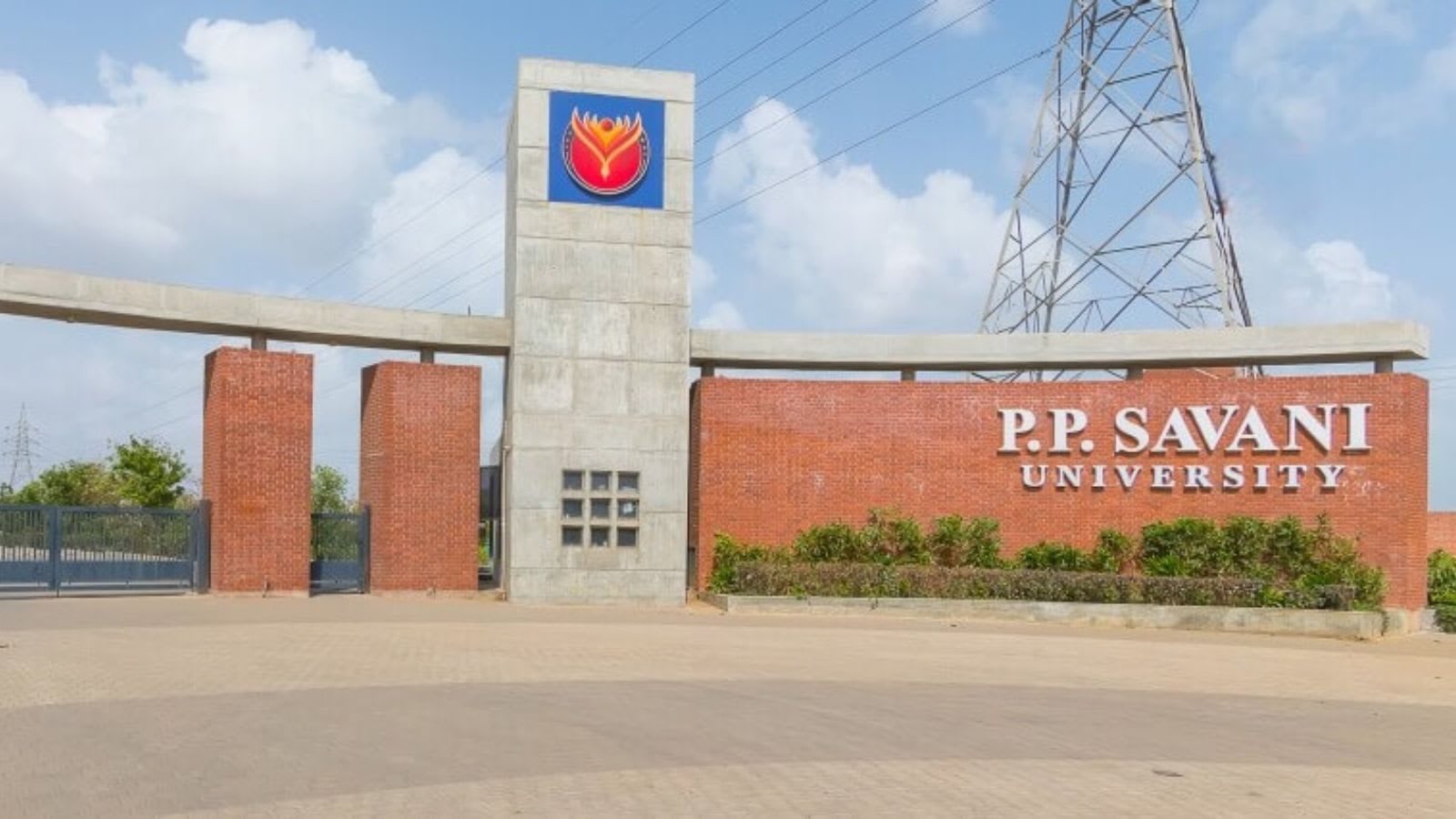
The Surat Municipal Corporation has fined the P P Savani Institute Rs 1 lakh for failing to report a food poisoning incident involving students. The institution is widely known for hosting annual mass weddings for disadvantaged women.
SMC Penalizes P P Savani Institute Following Food Safety Breach
The Incident and Regulatory Response
The Surat Municipal Corporation (SMC) has taken decisive action against the P P Savani Institute, issuing a penalty of Rs 1 lakh. This administrative fine stems from an incident of food poisoning reported on the institute's hostel campus this past Saturday. According to the SMC, the primary grounds for this financial penalty were not merely the health issue itself, but the institution's failure to notify the local civic health department in a timely manner. By neglecting to report the outbreak, the institute hindered the municipal authority's ability to conduct immediate epidemiological investigations and prevent further spread among the student population.
Contextualizing the P P Savani Group
The P P Savani Group maintains a significant profile within the Surat region, primarily recognized for its philanthropic contributions. Beyond its educational operations, the group is best known for organizing large-scale, annual mass wedding events. These ceremonies are specifically designed to support orphan women and daughters of single-parent households, with the Trust covering all associated wedding expenses. These events typically attract a wide array of high-profile attendees, including political leaders, prominent industrialists, and various social and religious figures, underscoring the group's integration into the community's social fabric.
Implications of Regulatory Oversight
The intersection of the group's philanthropic reputation and this recent regulatory failure highlights the critical importance of health compliance in institutional settings. Even organizations with established social mandates are not exempt from public health protocols. The SMC's decision to levy a fine serves as a clear signal that the safety of students—particularly those residing in campus hostels—must be prioritized alongside charitable activities. The failure to communicate a food poisoning outbreak represents a breach of the trust placed in the institution by parents and the wider public.
Analyzing the Operational Failure
While the P P Savani Group has fostered significant goodwill through its charitable mass weddings, the incident at the Abrahma-based school campus suggests potential gaps in internal health and safety management. Reporting requirements are essential for public health surveillance, allowing officials to trace the source of contamination—whether it be water, improperly stored food, or hygiene lapses in kitchen facilities. By failing to report, the institute inadvertently delayed the containment of a public health risk, which necessitated the intervention of the municipal authorities.
Future Trends in Institutional Accountability
Looking ahead, this incident may catalyze stricter enforcement of health reporting protocols within private educational trusts in Gujarat. As institutions scale their operations to include both large public events and residential student housing, the complexity of managing food safety becomes increasingly paramount. The SMC's punitive action serves as a deterrent, encouraging other educational trusts to maintain transparent communication with local health departments. Moving forward, the P P Savani Institute will likely face increased scrutiny regarding its hostel facilities, requiring a more robust framework to ensure that such lapses are not repeated, thereby preserving the integrity of their philanthropic mission.