Bengal CM eats fish at Kalighat amid Bageshwar Baba row: What sparked the controversy
Source Entity
ROHITASHWA RANJAN
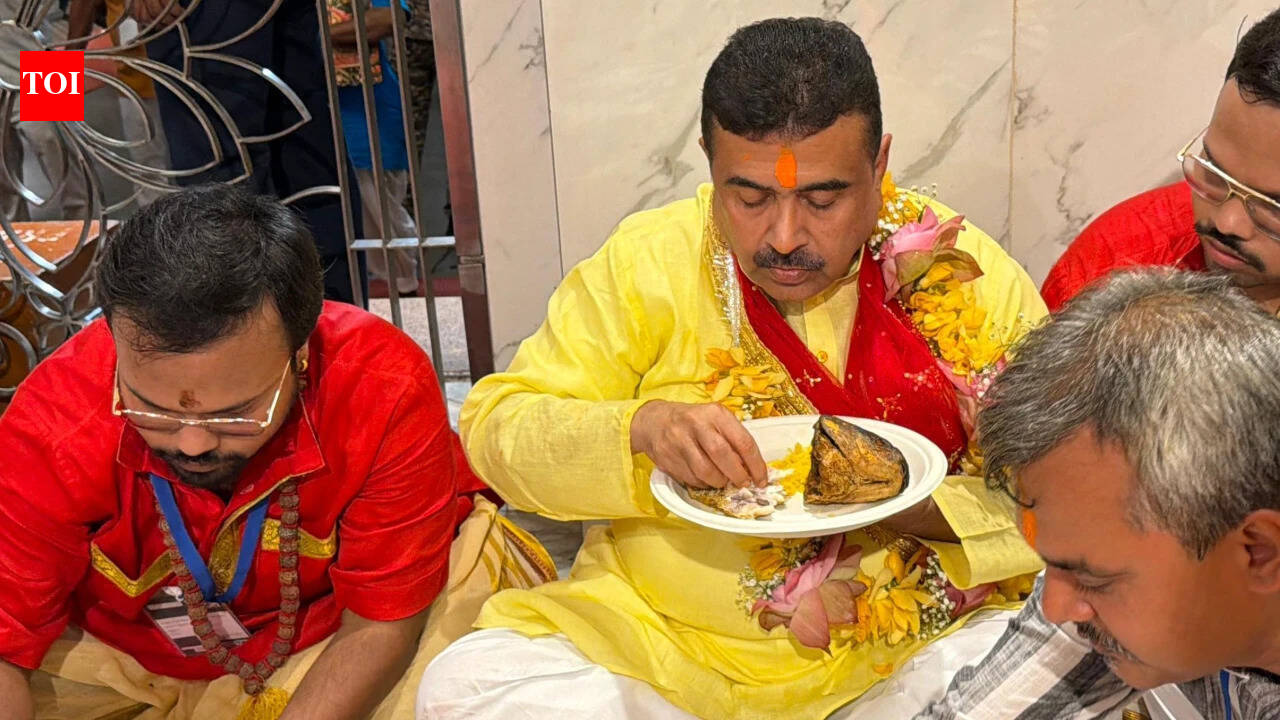
West Bengal leader Suvendu Adhikari sparked debate by consuming fish bhog at the Kalighat temple during Kaushiki Amavasya. The act challenged recent religious commentary regarding dietary restrictions during festivals, highlighting the unique intersection of regional tradition and national religious discourse.
The Intersection of Tradition and Controversy in West Bengal
Recent events at the historic Kalighat Temple have brought the delicate balance between regional religious customs and broader national dietary debates into sharp focus. During the auspicious occasion of Kaushiki Amavasya, Suvendu Adhikari was observed consuming a traditional meal consisting of fish and basanti pulao within the temple premises. This act, while deeply rooted in local customs, has ignited a wider conversation regarding the cultural autonomy of Bengal’s religious practices in the face of external commentary.
The Cultural Context of Kalighat Rituals
It is essential to understand that the Kalighat Temple, one of the most revered Shakti Peethas, maintains long-standing traditions that differ significantly from dietary norms found in other parts of India. In Bengal, the offering of fish and meat as part of 'bhog' to Goddess Kali is not merely a preference but a ritualistic practice sanctioned by local temple traditions. By partaking in this meal, Adhikari was not only participating in a religious observance but also asserting the validity of these indigenous practices.
Challenging the 'Bageshwar Baba' Narrative
This incident serves as a direct response to recent remarks made by Madhya Pradesh-based religious leader Bageshwar Baba. The Baba had previously appealed to the people of West Bengal to abstain from non-vegetarian food during the Durga Puja festivities. Adhikari’s public consumption of fish can be interpreted as a political and cultural rebuttal, reinforcing the stance that regional dietary habits are a matter of personal and communal choice rather than external mandate.
The Political Implications of Dietary Politics
Politics in West Bengal has historically been sensitive to issues of cultural identity. When religious figures from outside the state attempt to impose dietary restrictions that conflict with local norms, it often triggers a defensive reaction from political leaders. By sitting on the floor and eating with his hands, Adhikari aligned himself with the populist sentiment that rejects the homogenization of Hindu practices, effectively positioning himself as a defender of Bengal’s unique cultural fabric.
Broader Implications for Religious Discourse
This event underscores a growing divide in how religious practices are interpreted across India. While some schools of thought advocate for vegetarianism as the singular path of piety, the diverse landscape of Hinduism—specifically the Tantric traditions prevalent in Bengal—incorporates a much wider array of offerings. The controversy highlights the tension between a 'nationalized' version of religious conduct and the diverse, localized traditions that have defined the region for centuries.
Future Trends in Regional Identity
Looking ahead, it is likely that such displays of cultural assertion will continue to feature in regional politics. As leaders navigate the complexities of national religious narratives versus local traditions, the act of consuming traditional 'bhog' will remain a powerful symbol of identity. The incident at Kalighat is a reminder that in West Bengal, the plate is as much a site of political contestation as the ballot box.
Multiple Citing Sources