As Trump dominates convention, some Republicans quietly ask who comes next
Source Entity
BBC News
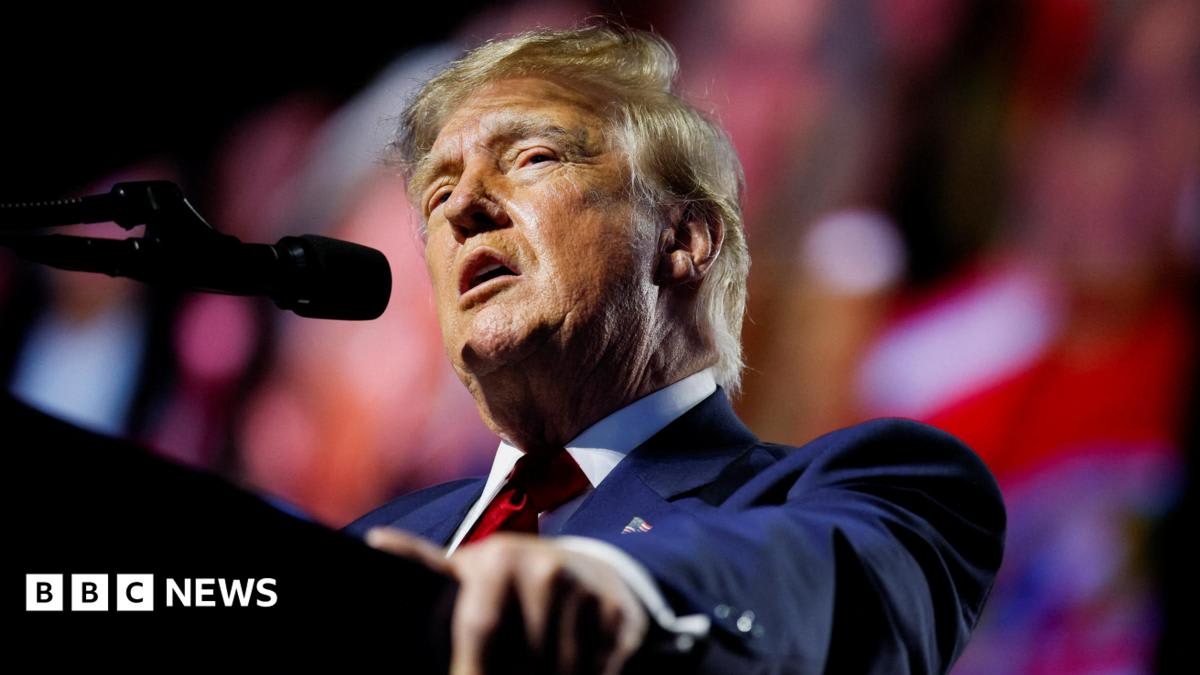
The Republican convention in Dallas highlighted a party currently defined by Donald Trump but increasingly anxious about its post-Trump future. While JD Vance emerged as a prominent potential successor, internal concerns persist regarding the party's long-term direction after the president's term concludes.
The Post-Trump Horizon: A Party at a Crossroads
Recent gatherings of the Republican Party in Dallas have underscored a profound paradox: while the movement remains firmly anchored to the political brand of Donald Trump, there is a palpable undercurrent of anxiety regarding the party's future. The event, colloquially dubbed a "Trump-a-palooza," was designed to serve as a rallying cry for the upcoming midterms. However, for many attendees and party strategists, the festivities served as a sobering reminder that the current era of Republican politics is approaching its final chapter.
The Challenge of Political Succession
The central tension currently facing the GOP is the lack of a clearly defined post-Trump identity. Historically, parties that revolve around a singular, dominant personality often struggle with the transition of power. As the convention demonstrated, while the party is energized by current leadership, there is a quiet, persistent questioning among members about who will carry the mantle forward. This uncertainty is exacerbated by the need to maintain electoral momentum while preparing for a significant ideological and structural shift in the coming years.
JD Vance as a Potential Successor
Vice-President JD Vance has emerged as a primary figure in these succession discussions. His keynote address in Dallas provided a strategic glimpse into how the current administration intends to bridge the gap between the present and the future. By emphasizing the immediate necessity of winning in November, Vance attempted to channel the party's focus toward short-term electoral goals, effectively deferring the broader debate on the party's future identity to a later date. This tactical delay is critical for maintaining party unity during a high-stakes election cycle.
Strategic Implications for 2026 and Beyond
The anxiety surrounding the 2026 midterm prospects reflects a broader concern about the party's long-term viability without its current figurehead. The "Trump-a-palooza" atmosphere, while effective for base mobilization, does not fully address the structural challenges of maintaining a coalition that has been redefined by populist rhetoric. The party must now grapple with how to retain the voters brought into the fold by the current administration while potentially pivoting to a new platform that can survive the eventual transition.
Conclusion: Navigating the Final Chapter
As the party moves toward the next phase of its evolution, the primary task remains balancing loyalty to the incumbent with the pragmatic necessity of future-proofing the movement. The events in Dallas confirm that while the current focus is on winning the immediate battle, the war for the soul of the Republican Party is looming. The transition will likely be defined by how successfully figures like JD Vance can synthesize the current populist energy with a sustainable vision for the years following the president's departure.