Rajasthan civic polls: EVM glitches disrupt voting at some booths in final phase
Source Entity
India Latest News: Top National Headlines Today & Breaking News | The Hindu
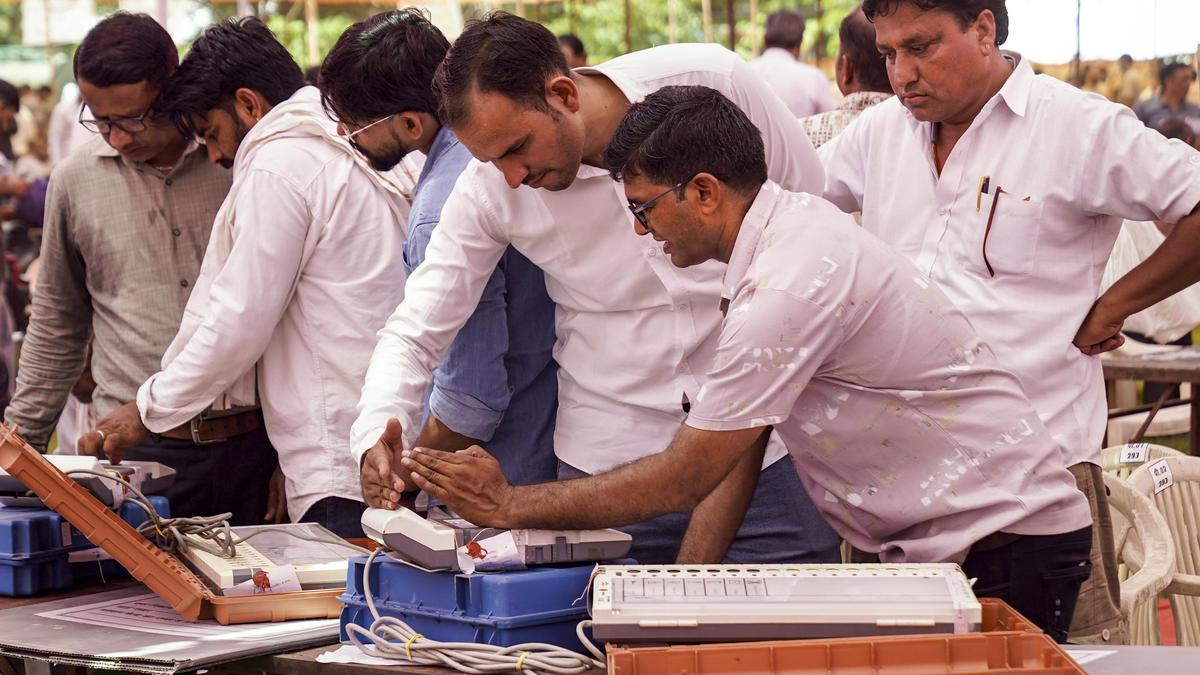
The final phase of Rajasthan's urban local body elections faced disruptions due to EVM malfunctions in several districts. Despite these technical challenges, over 87 lakh voters are participating to elect representatives across 147 municipal bodies.
Rajasthan Local Body Elections: Technical Hurdles and Voter Participation
On September 11, 2026, the state of Rajasthan entered the second and final phase of its urban local body elections, a significant democratic exercise involving 147 municipal entities. With over 87 lakh eligible voters tasked with deciding the political future of 18,266 candidates, the scale of this logistical operation is immense. The electoral process, which covers six municipal corporations, municipal councils, and numerous municipalities, serves as a critical barometer for urban governance and local representation in the region.
Challenges in the Electoral Process
Despite the robust planning by the State Election Commission, the initial hours of polling were marred by technical difficulties. Specifically, Electronic Voting Machine (EVM) glitches were reported across key areas, including Jaipur, Jhunjhunu, and Pushkar. These malfunctions not only slowed the pace of voting but also sparked immediate disruptions and protests at several affected polling stations. Such incidents highlight the ongoing technical vulnerabilities inherent in large-scale electronic voting deployments.
Scale and Logistical Scope
The electoral landscape for this phase is vast, encompassing 9,758 polling booths across 4,774 wards. In major urban centers like Jodhpur, the logistical requirements are particularly high, with 7.12 lakh voters assigned to 729 booths to determine the outcomes for 385 candidates. Similar processes are underway in cities like Udaipur, where voters are casting ballots for municipal corporations and councils, reflecting the decentralized nature of this administrative overhaul.
Impact on Voter Sentiment
While the State Election Commission aimed for a seamless process from 7 a.m. to 6 p.m., the reported glitches have undoubtedly impacted voter turnout and the general atmosphere at polling centers. The visibility of political figures, such as former Chief Minister Ashok Gehlot participating in the process, underscores the high stakes of these local elections. For the electorate, the ability to vote is a fundamental right, and technical interruptions—however localized—can lead to frustration and concerns regarding the integrity of the polling process.
Broader Implications for Governance
These elections are vital for the functioning of urban local bodies, which are responsible for the immediate civic needs of the population. The outcome will determine the leadership for 147 bodies, influencing local policy, infrastructure development, and resource allocation for the coming term. The transition of power and the selection of new councilors are essential steps in maintaining the efficacy of municipal governance in Rajasthan.
Future Trends and Technical Resilience
Looking ahead, the events of this election cycle provide a clear mandate for the State Election Commission to review and strengthen its technical infrastructure. As India continues to rely heavily on EVMs for local and national elections, the necessity for rapid response teams and redundant systems at the booth level is paramount. Ensuring that all 87 lakh voters can cast their ballots without further disruption remains the primary objective for the remainder of the polling day.
Verification Required?