Swiss glaciers suffer 'disastrous' year of ice loss, threatening water supplies
Source Entity
BBC News
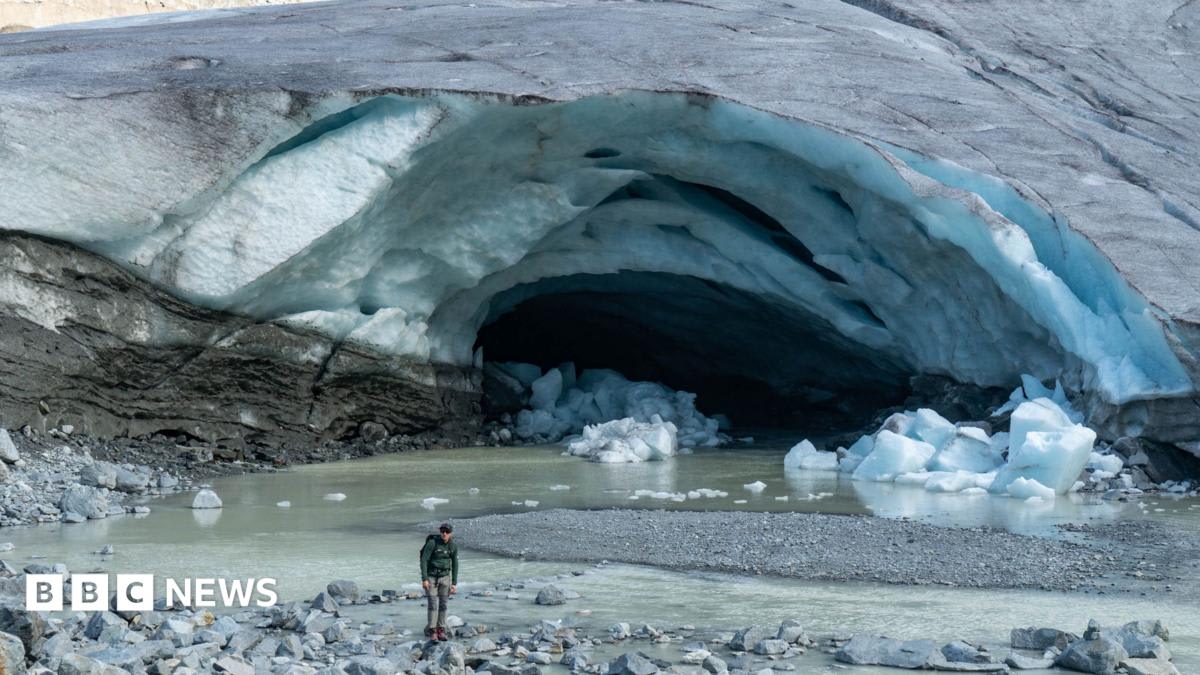
Swiss glaciers experienced a near-record 5% loss of ice in 2026 due to intense summer heatwaves. This rapid melting poses significant risks to water security, infrastructure stability, and increases the potential for dangerous landslides.
The Accelerating Decline of Swiss Alpine Glaciers
In a concerning development for European environmental stability, data from 2026 reveals that Swiss glaciers have undergone a near-record loss of ice. With over 5% of the nation's remaining glacier mass vanishing in just twelve months, the scientific community has described the event as "extraordinary." This rapid degradation is a clear, physical manifestation of the accelerating pace of global climate change, as intense summer heatwaves continue to assault the high-altitude Alpine environments that were once considered permanent reservoirs of ice.
The Direct Impact on Water Security
The implications of this melting extend far beyond the aesthetic loss of mountain peaks. Glaciers serve as vital "water towers" for Switzerland and the broader European region, providing a steady supply of meltwater during warmer months. As these glaciers shrink, the reliability of water supplies for critical sectors—including agriculture, hydropower generation, and river-based transport—is increasingly compromised. The loss of this natural storage system suggests a future where seasonal water scarcity could become a structural economic challenge.
Geological Destabilization and Safety Risks
Beyond the hydrological concerns, the rapid retreat of ice is fundamentally altering the geomorphology of the Alps. The removal of glacier mass destabilizes mountain slopes that were previously anchored by the weight and presence of ice. This shift increases the risk of landslides and rockfalls, hazards that threaten infrastructure and human settlements located in valleys below. The potential for these events to trigger flash flooding is a major concern, as seen in the catastrophic events in Nepal this past August, where a collapse of bedrock and glacial ice led to significant destruction.
Contextualizing the Global Crisis
While the Swiss Alps are a primary focus for European climate scientists, the phenomenon is part of a global trend. The comparison to the August catastrophe in Nepal highlights the universality of these risks. Whether in the Himalayas or the Alps, the collapse of glacier-supported slopes represents a recurring pattern in a warming world. Scientists now note that such rapid melting is no longer surprising, indicating that the baseline of environmental change has fundamentally shifted.
Looking Toward a Uncertain Future
The data from 2026 serves as a stark warning for policymakers and industry leaders. As these glaciers continue their decline, the reliance on traditional water management strategies will require radical adaptation. Future trends suggest that if the current pace of warming persists, the structural integrity of mountain regions will remain under constant threat, requiring enhanced monitoring and robust mitigation strategies to protect downstream communities from the cascading effects of a disappearing cryosphere.