Why we are trying to copy insects
Source Entity
Ranjit Lal
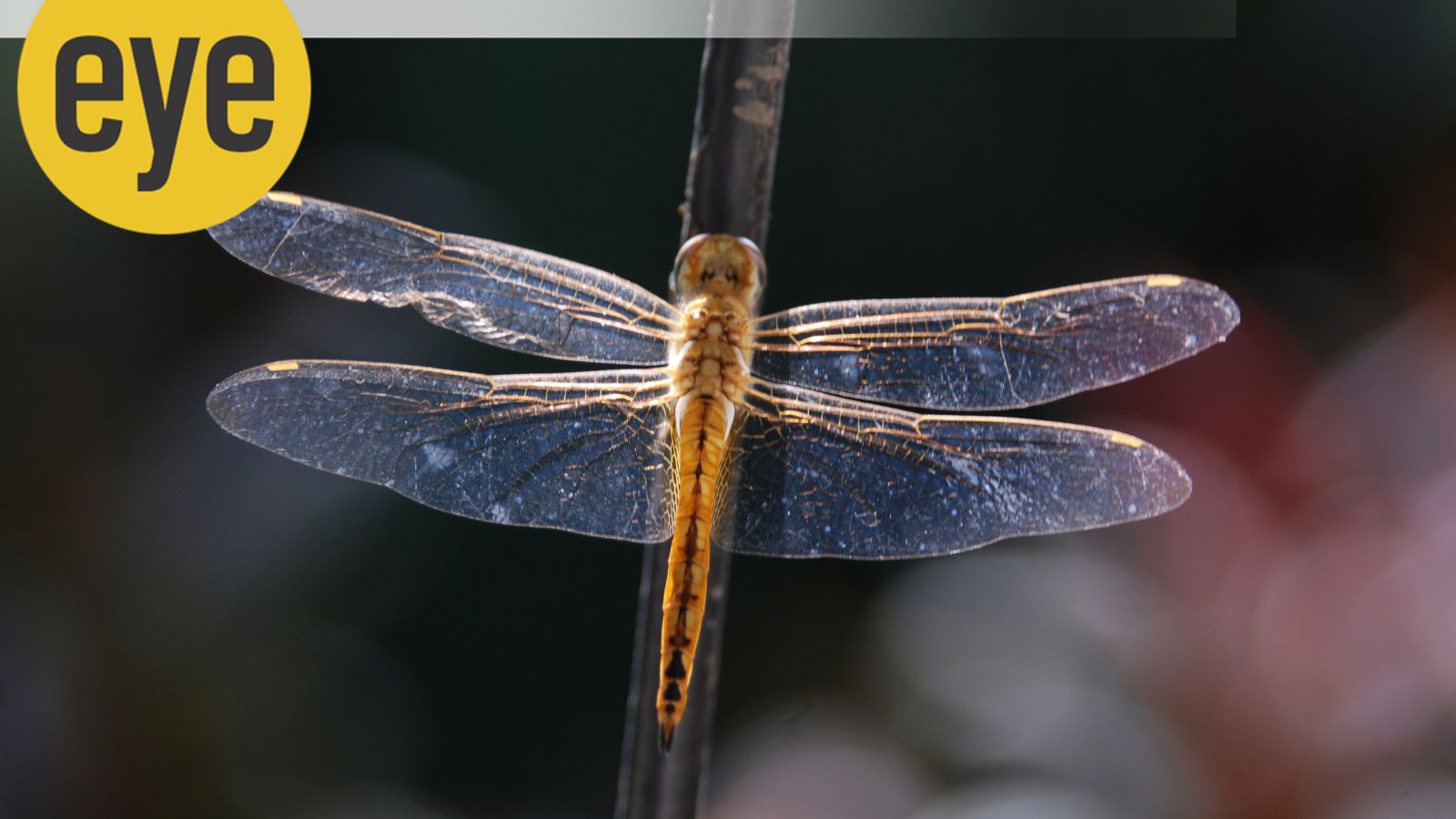
Scientists have solved the long-standing mystery of insect flight by studying their unique wing structures and aerodynamics. This research into chitin-based wings and complex venation patterns is now fueling advancements in biomimetic engineering.
The Aerodynamic Enigma of Insect Flight
For decades, the mechanics of insect flight remained one of the most persistent puzzles in the field of biology. Conventional aerodynamic theories, primarily developed to explain the lift and thrust generated by rigid-winged aircraft and larger avian species, suggested that insects were physically incapable of sustained flight. According to these traditional models, insects were simply too heavy and their wings too inefficient to overcome the drag and gravity forces acting against them. This discrepancy between theoretical calculations and the observed reality of buzzing, airborne insects created a significant gap in our understanding of natural locomotion.
Unlocking the Secret through Advanced Observation
The breakthrough in understanding how insects defy these conventional laws came through a combination of cutting-edge observational techniques. By utilizing extreme slow-motion photography, researchers were finally able to capture the rapid, complex wing beats that occur too quickly for the human eye to perceive. Furthermore, the use of scaled-up physical models immersed in dense oil allowed scientists to simulate the fluid dynamics of air on a manageable scale, revealing that insects utilize specialized vortices that provide the necessary lift. These findings confirmed that insects do not fly like airplanes; rather, they exploit the fluid properties of air in ways that were previously misunderstood.
The Anatomy of a Wing: Chitin and Venation
At the core of this aerodynamic mastery is the insect wing itself, a marvel of biological engineering. These wings are comprised of two layers of cuticle, a tough composite material made of chitin, a structural polysaccharide. This "sandwich" structure provides the necessary rigidity to withstand intense mechanical stress while remaining lightweight. Crucially, these layers enclose a complex network of veins that serve multiple functions. Beyond providing structural support, these veins act as a circulatory system, transporting blood and oxygen, and serve as a sensory network that allows the insect to adjust its wing shape in real-time during flight.
Biomimicry and Future Technological Trends
The structural complexity of insect wings is now becoming the blueprint for the next generation of micro-air vehicles (MAVs). By replicating the flexible, vein-supported chitin structures, engineers are developing drones that can navigate tight spaces and withstand turbulence far better than fixed-wing counterparts. The patterns of venation, which have evolved over millions of years to optimize efficiency, are being integrated into synthetic materials to create wings that are both durable and responsive to changing environmental conditions.
Broader Implications and Scientific Outlook
This research represents a shift in how we approach robotics and aerospace design. By moving away from rigid structures and toward the flexible, multi-functional designs found in nature, we are entering an era of biomimetic technology. As we continue to refine our ability to mimic the structural proteins and sensory venation found in insect wings, we can expect to see smaller, more efficient, and highly autonomous robots that can perform tasks ranging from search-and-rescue operations to environmental monitoring in ways that were previously thought impossible. The study of insect flight has moved from a theoretical curiosity to a cornerstone of modern bio-inspired innovation.