17.1 mm of rain in Pune, the first double-digit rainfall reading since August 2
Source Entity
Dipanita Nath
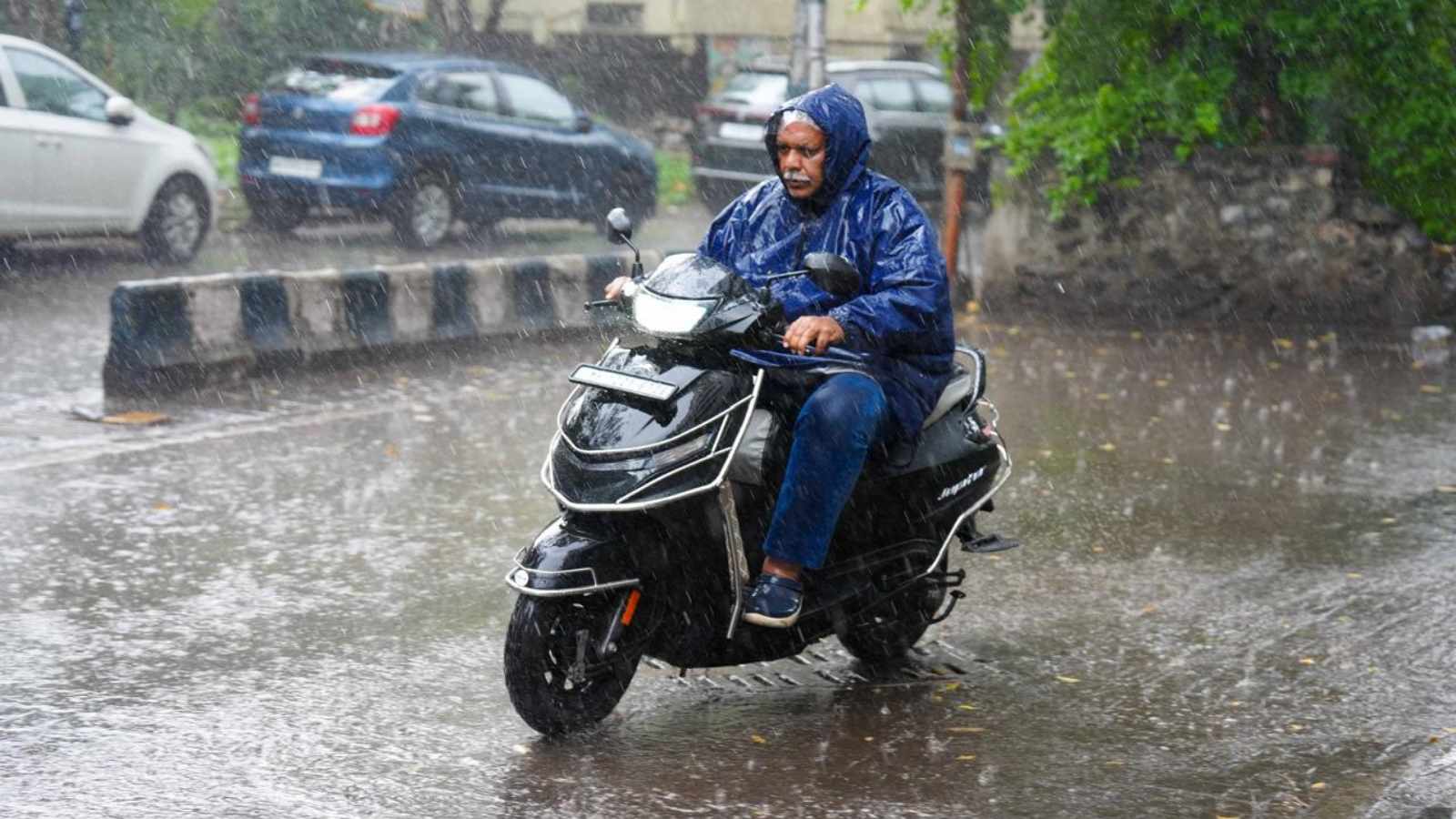
Pune's Shivajinagar weather station recorded 17.1 mm of rainfall on Monday, ending a 58-day streak of single-digit precipitation. This rare dry spell marks the second-longest period without significant double-digit rainfall in the city since 2014.
Pune Experiences Rare Rainfall Milestone
After a prolonged period of meteorological inactivity, Pune's Shivajinagar weather station finally recorded a double-digit rainfall figure of 17.1 mm on Monday evening. This significant event marks the first time in 58 days that the city's primary weather office has surpassed the 10 mm threshold. The previous occurrence of such rainfall was on August 1, when the station recorded 30.3 mm, followed immediately by a sharp decline to 1.5 mm on August 2.
Historical Context of the Dry Spell
The 58-day dry spell represents a notable anomaly in Pune’s recent climate history. According to data from the weather organization 'Vagaries of the Weather,' this stretch of single-digit rainfall is the second-longest observed since 2014. The record for the longest duration remains the 2018 season, during which the Shivajinagar station went 64 consecutive days without recording double-digit precipitation. This comparison underscores the intensity and duration of the recent atmospheric stagnation over the region.
Geographical Variation in Precipitation
While the rainfall provided some relief, the distribution of the precipitation was notably uneven across the city. The National Defence Academy (NDA) area recorded a healthy 15 mm of rain, closely mirroring the levels at Shivajinagar. However, other parts of the metropolitan area saw minimal impact; Pashan recorded only 2 mm, while Hadapsar received a negligible 1 mm. This disparity highlights the localized nature of the cloud formation and precipitation patterns currently affecting the Pune region.
Broader Meteorological Implications
Such extended periods of low rainfall, characterized by consecutive days of single-digit readings, suggest shifting moisture patterns that often leave major urban centers like Pune vulnerable to water scarcity and heat accumulation. The fact that rain clouds failed to reach significant portions of the city, such as Chinchwad, points to a highly fragmented monsoon withdrawal or transition phase, where moisture availability is insufficient to cover the entire urban geography uniformly.
Future Trends and Outlook
The recurrence of long, dry spells—as evidenced by the 2018 and current 2024 data—suggests that Pune may be experiencing a trend of more erratic monsoon behavior. As meteorologists continue to monitor these fluctuations, the ability of weather stations like Shivajinagar to record double-digit figures becomes a critical metric for assessing the health of the local ecosystem and water security. Future planning must account for these prolonged intervals of minimal rain to better manage urban water resources and agricultural planning in the surrounding districts.