12,000-year-old Göbeklitepe burials explain scattered bones
Source Entity
Hacker News
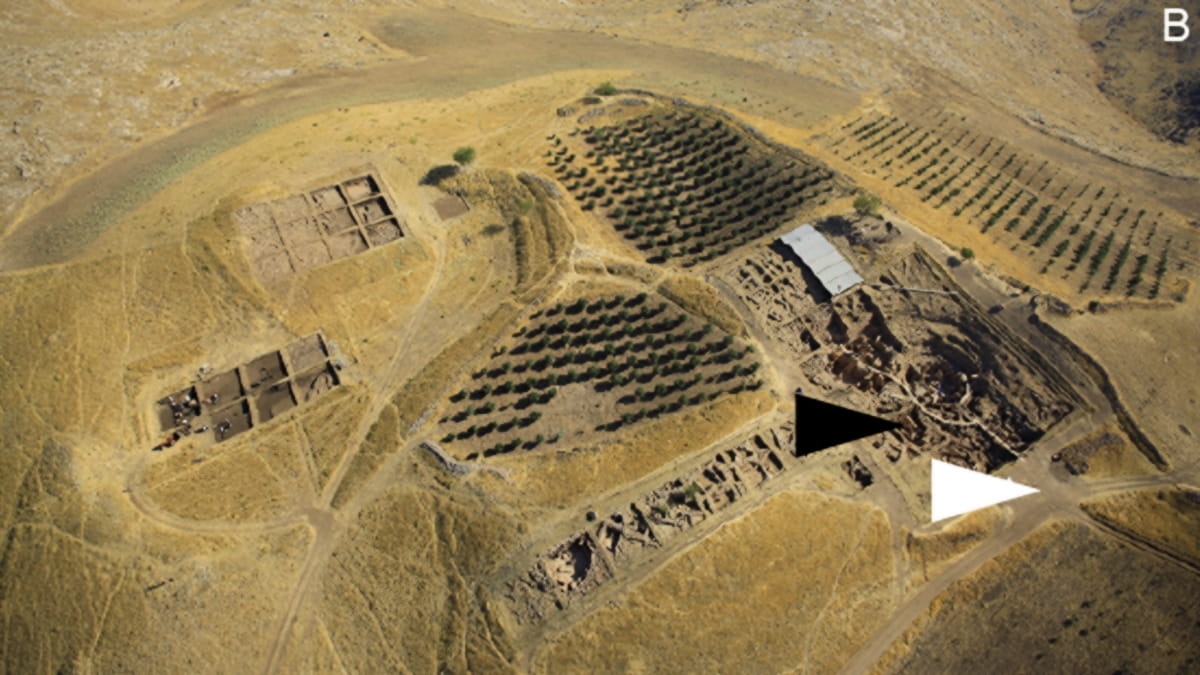
Archaeologists have discovered the first intact burials at the 12,000-year-old Göbeklitepe site in Turkey. These findings reveal that previously discovered scattered bone fragments likely originated from ordinary burials disturbed by natural erosion.
Unlocking the Mystery of Göbeklitepe's Scattered Remains
For nearly three decades, the archaeological site of Göbeklitepe in Turkey has captivated the world with its monumental architecture and enigmatic history. Since excavations commenced in 1995, the site has yielded hundreds of human bone fragments scattered haphazardly across the complex. For years, this phenomenon posed a significant interpretative challenge for researchers, leading to various theories regarding ritualistic practices and the potential intentional deposition of human remains within the monumental structures.
The Discovery of Intact Burials
Recent investigations have finally provided a breakthrough, as archaeologists have successfully identified the first two intact burials at the site. Dating back to the Pre-Pottery Neolithic B period, specifically between 8,700 and 8,000 BCE, these graves offer a rare, undisturbed glimpse into the funerary customs of the era. One of these burials was remarkably preserved within a pit located beneath the plaster floor of a rectangular building, providing a primary data point for understanding the site's domestic and mortuary spatial organization.
Solving the Puzzle of Fragmented Bones
By comparing the skeletal material from these two intact burials with the hundreds of loose bone fragments recovered throughout the site over the years, researchers have reached a compelling conclusion. The analysis indicates that the scattered remains were not necessarily the result of complex ritual activities involving the curated display of remains, as previously hypothesized by some. Instead, the evidence suggests these fragments originated from standard, ordinary burials situated elsewhere on the mound.
The Role of Natural Erosion
One of the most significant implications of this study is the identified role of environmental factors in shaping the archaeological record. The research suggests that geological processes, specifically long-term erosion, likely disturbed these primary graves over the millennia. This natural process effectively transported the remains downslope, depositing them into the monumental buildings where they were eventually discovered by modern teams.
Rethinking Neolithic Mortuary Practices
This discovery forces a reassessment of how we interpret Neolithic sites. It highlights the necessity of distinguishing between intentional cultural deposition and post-depositional environmental disturbance. By clarifying that the "scattered bone" phenomenon is likely a byproduct of erosion rather than a deliberate ritualistic choice, the study allows archaeologists to better isolate genuine cultural practices from the noise of natural site degradation.
Future Trends in Archaeological Analysis
As research at Göbeklitepe continues, this finding sets a new precedent for how skeletal assemblages at Neolithic sites are evaluated. Future excavations will likely focus on identifying more primary burials to further map the site's mortuary landscape. This shift toward understanding taphonomic processes—how remains move and decay over time—will be essential for interpreting the complex history of one of the world's oldest monumental centers.