Switzerland votes to reject ‘perpetual and armed’ neutrality: What it means
Source Entity
Arav Shah
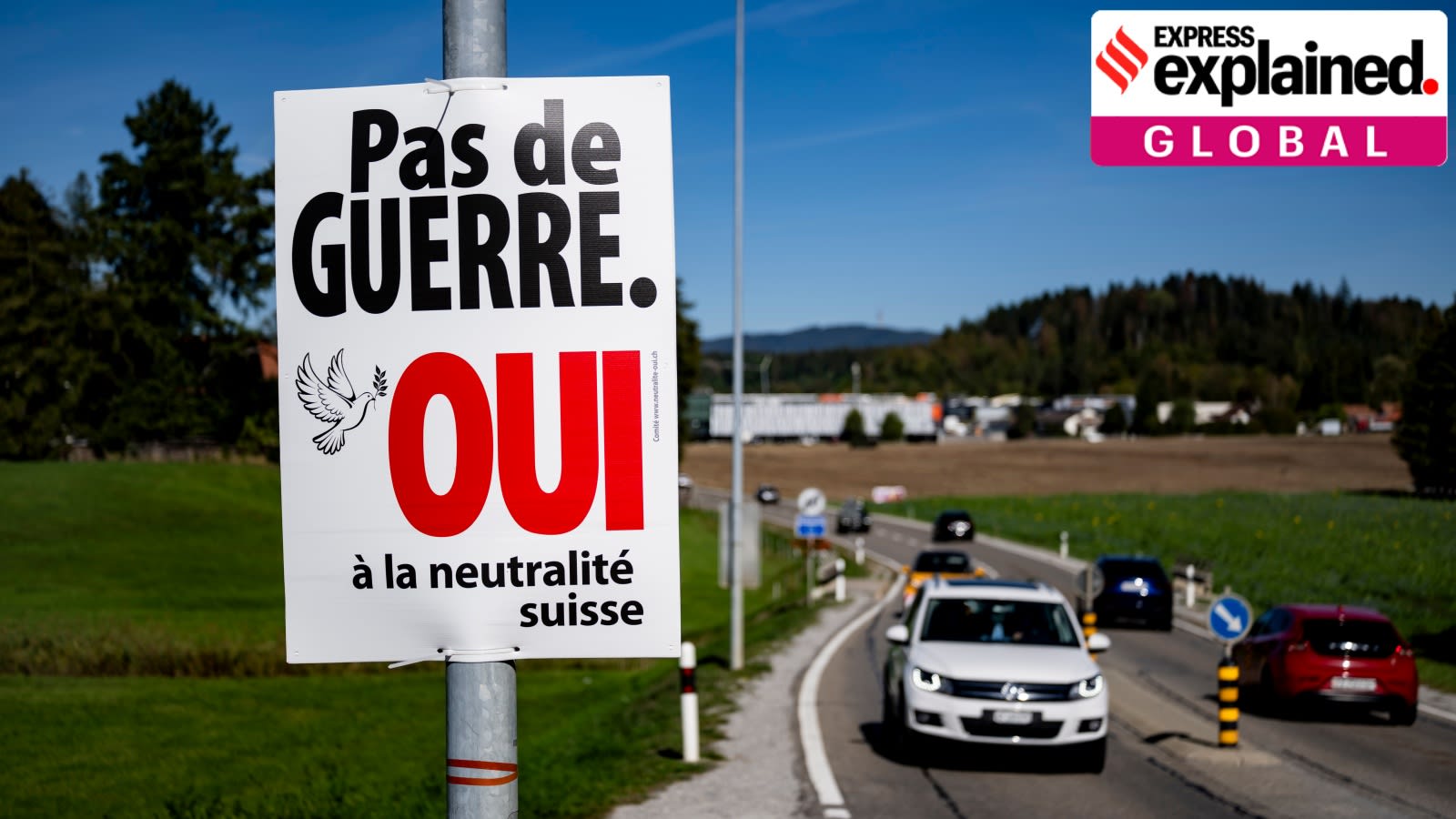
Swiss voters have decisively rejected the 'Neutrality Initiative,' which sought to codify a stricter definition of neutrality in the Federal Constitution. With 70.15% voting against the measure, the nation maintains its current diplomatic flexibility.
Switzerland Rejects Stricter Neutrality: An Analysis
On September 27, Switzerland held a pivotal national referendum regarding the nation's long-standing policy of neutrality. The proposed 'Neutrality Initiative' sought to embed a much more rigid, 'perpetual and armed' definition of neutrality directly into the Swiss Federal Constitution. However, the electorate delivered a resounding rejection of the proposal, signaling a desire to preserve the status quo regarding the country's international standing.
The Mechanics of the Rejection
The scale of the rejection was absolute, spanning all 26 cantons. According to data from the Financial Times, the referendum saw a national turnout of 47.06%, with a decisive 70.15% of voters opting against the initiative. This unified opposition across every administrative division underscores a clear national consensus that the proposed constitutional change was either unnecessary, undesirable, or potentially damaging to Swiss interests.
Understanding the 'Neutrality Initiative'
The core of the debate centered on whether Switzerland should move toward a more codified and restrictive version of its traditional neutrality. By attempting to insert a specific article into the Federal Constitution, proponents of the initiative aimed to limit the government's ability to interpret neutrality in the context of evolving global challenges. The failure of this initiative confirms that the Swiss public prefers the existing, more flexible interpretation that has historically guided the nation's foreign policy.
Historical Context and Strategic Flexibility
Swiss neutrality has long served as a cornerstone of the nation’s diplomatic identity, allowing it to act as a bridge-builder in global conflicts. The flexibility inherent in the current model allows Switzerland to navigate complex geopolitical landscapes without being bound by rigid constitutional constraints that could hinder its ability to engage in humanitarian efforts or international mediation. By rejecting this initiative, voters have effectively protected this strategic ambiguity.
Broader Implications for Global Diplomacy
This referendum result has significant implications for how Switzerland interacts with the international community. Had the initiative passed, it could have severely curtailed the nation’s capacity to participate in multilateral sanctions or collaborative security frameworks. The current outcome ensures that Swiss authorities retain the autonomy to adapt their foreign policy responses in alignment with national values and shifting international pressures.
Future Outlook
The overwhelming rejection of the initiative reflects a cautious approach to constitutional change. As the world faces increasing polarization, the Swiss electorate’s decision to maintain the current framework suggests a commitment to preserving the pragmatic neutrality that has defined the country for generations. Moving forward, this vote serves as a clear indicator that the public prefers evolution over rigid codification in matters of national security and foreign affairs.