Syria President Appoints Kurdish Leader Mazloum Abdi As His Adviser
Source Entity
NDTV News Search Records Found 1000
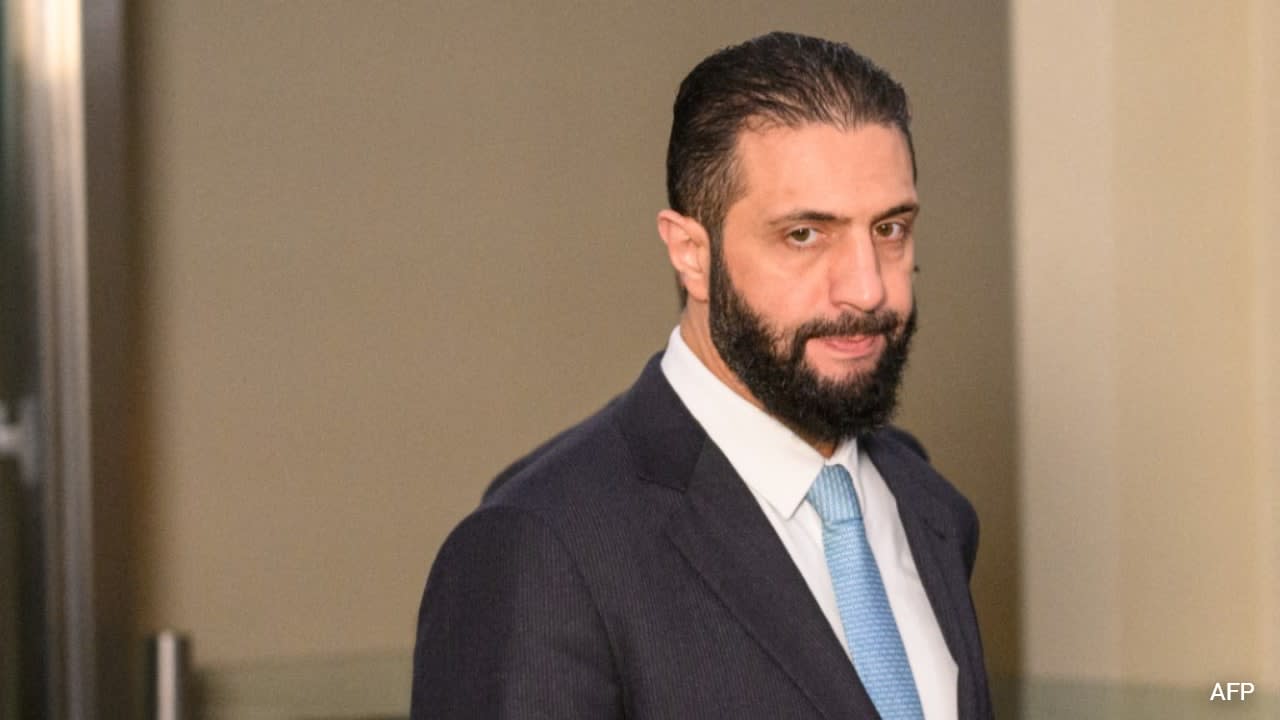
Syrian President Ahmed al-Sharaa has officially appointed Kurdish leader Mazloum Abdi as a presidential adviser. This development marks a significant shift in the internal political dynamics of the Syrian state.
A Shift in Syrian Governance: The Appointment of Mazloum Abdi
A New Political Alignment
The recent announcement that Syrian President Ahmed al-Sharaa has appointed Kurdish leader Mazloum Abdi as a presidential adviser represents a pivotal moment in the ongoing stabilization efforts within the Syrian Arab Republic. By integrating a prominent Kurdish figure into the highest echelons of the presidential advisory circle, the administration appears to be signaling a departure from previous exclusionary governance models. This move suggests an attempt to bridge the long-standing divide between the central government in Damascus and the Kurdish-led factions that have operated with significant autonomy in the northern regions of the country.
Historical Context of Kurdish-Damascus Relations
Historically, the relationship between the central Syrian government and the country's Kurdish population has been characterized by deep-seated tension and mutual suspicion. For decades, the Kurdish minority faced systemic marginalization, often struggling for recognition of their cultural and political rights. Mazloum Abdi, who has been a central figure in the Kurdish-led efforts in the northeast, represents a constituency that has played a critical role in the country’s recent geopolitical landscape. His transition from a regional leader to a national adviser suggests a pragmatic shift toward inclusion, potentially aimed at fostering a more unified national identity.
Implications for National Sovereignty and Stability
The appointment of Abdi carries significant weight regarding the future of Syria’s territorial integrity. By incorporating a figure associated with the Kurdish autonomous structures into the presidential fold, the state may be seeking to streamline administrative governance and prevent further fragmentation of the nation. This strategic alignment could reduce friction between local security forces and the central government, potentially consolidating power and creating a more cohesive state apparatus capable of addressing post-conflict recovery challenges.
Geopolitical Ramifications
Beyond domestic borders, this appointment will likely draw intense scrutiny from regional and international stakeholders. The Kurdish question in Syria has long been a focal point for neighboring countries and global powers. By bringing Abdi into an advisory role, President al-Sharaa is effectively recalibrating the internal balance of power, which could alter the dynamics of international negotiations regarding the Syrian conflict. Observers will be closely watching whether this move leads to a broader constitutional process or remains a localized political arrangement.
Future Trends and Challenges
Looking ahead, the success of this appointment will depend on the actual influence Abdi is granted within the presidential cabinet. While the title of 'presidential adviser' is significant, the translation of this appointment into policy changes will be the true test. If the administration follows through with genuine power-sharing or policy reform, it could set a precedent for other marginalized groups. However, the path forward remains fraught with the complexities of reconciling diverse political agendas under a single national framework. This development marks a noteworthy, albeit cautious, step toward a potential new era of Syrian political integration.
Verification Required?