Trump ratchets up rhetoric against Beijing as U.S.-China officials meet for Xi's Washington visit
Source Entity
US Top News and Analysis
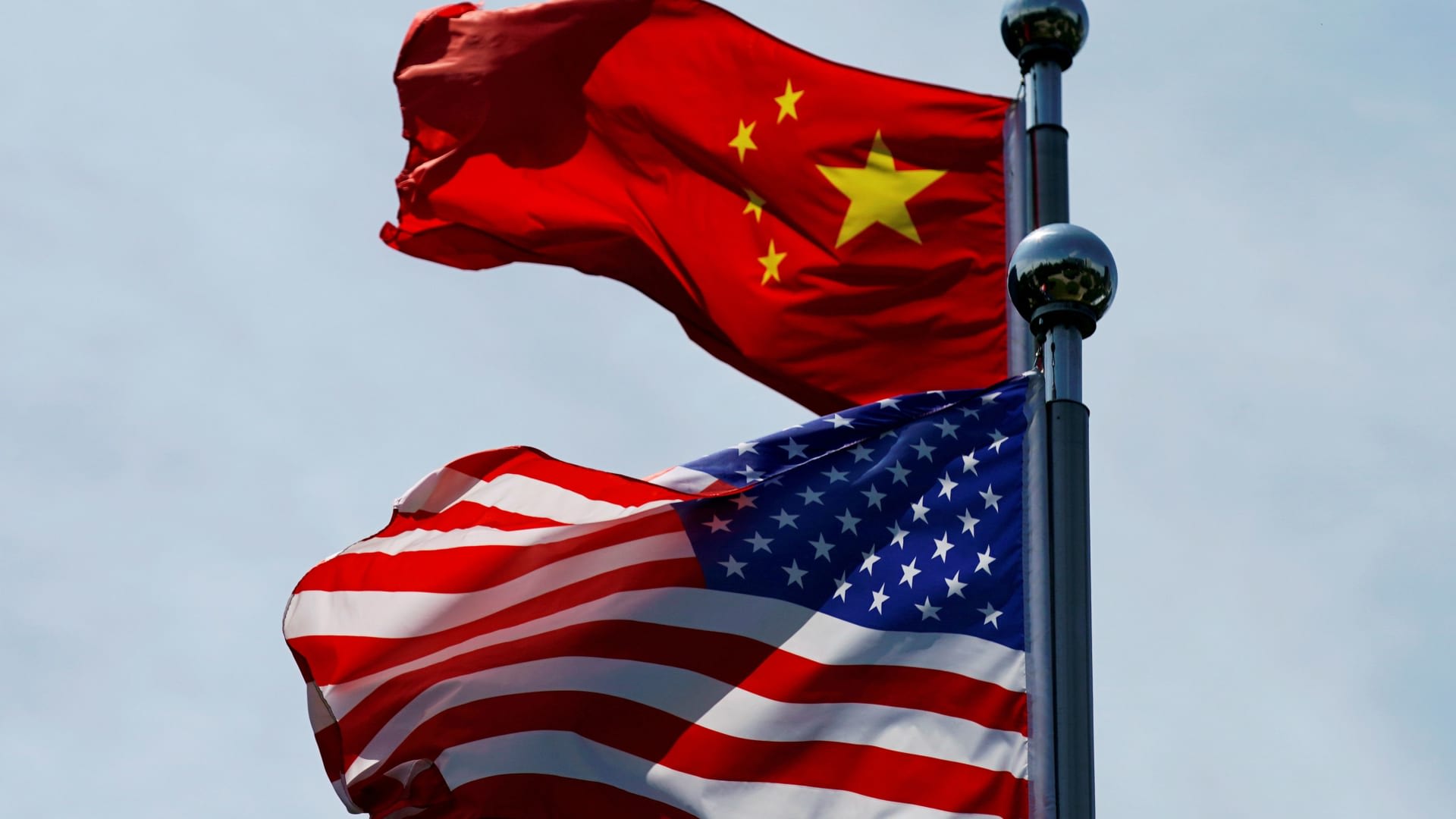
Despite escalating rhetoric from President Trump regarding potential sanctions on Chinese banks, U.S. and Chinese officials continue to hold high-level diplomatic meetings. This ongoing dialogue highlights a complex balancing act between competitive economic pressure and the necessity for bilateral cooperation.
The Dual Reality of U.S.-China Diplomacy
Recent diplomatic engagements between Washington and Beijing underscore a period of intense geopolitical friction, defined by a paradoxical mix of aggressive public posturing and persistent behind-the-scenes negotiation. While President Donald Trump has utilized increasingly sharp rhetoric—most notably by suggesting potential sanctions against Chinese financial institutions—the practical reality remains that both nations are maintaining active communication channels to manage their complex economic relationship.
The Pressure of Secondary Sanctions
The current diplomatic climate is heavily influenced by the U.S. government’s decision to impose secondary sanctions related to Iran. By expanding these punitive measures, the White House has signaled a willingness to target international entities, including Chinese banks, that facilitate transactions deemed contrary to U.S. foreign policy. This move represents a significant escalation, as it moves beyond traditional trade disputes into the realm of financial warfare, directly challenging Beijing’s economic autonomy and its strategic partnerships.
Strategic Communication Amidst Rhetoric
Despite the bellicose language emanating from the White House, the occurrence of high-level meetings in Beijing and Shanghai serves as a critical pressure release valve. These engagements demonstrate that neither the United States nor China is willing to completely sever ties, even as the threat of sanctions looms. The presence of U.S. delegations in China, following the recent meetings between officials, indicates that both sides recognize the catastrophic potential of a total breakdown in communication regarding their interconnected economies.
Navigating the Balancing Act
The concept of a 'balancing act' is central to understanding the current state of U.S.-China relations. Both administrations are attempting to appease domestic political constituencies—often through displays of strength and protectionist policy—while simultaneously managing the global economic consequences of their rivalry. President Trump’s vague threats regarding banking sanctions, while designed to exert leverage, exist in a delicate tension with the ongoing efforts to secure agreements and maintain stability in the global financial system.
Historical Context and Future Trends
Historically, U.S.-China relations have often oscillated between periods of intense competition and pragmatic cooperation. However, the current era is marked by a structural shift where economic interdependence is increasingly viewed through a lens of national security. Looking forward, we can expect this pattern of 'rhetoric versus reality' to continue, as both nations grapple with the long-term implications of decoupling. The future of this relationship will likely depend on whether these diplomatic meetings can translate into concrete policy adjustments or if the cycle of sanctions and retaliation will further destabilize the international order.