Taiwan Just Waved a Red Flag for Nvidia Stock
Source Entity
Yahoo Finance
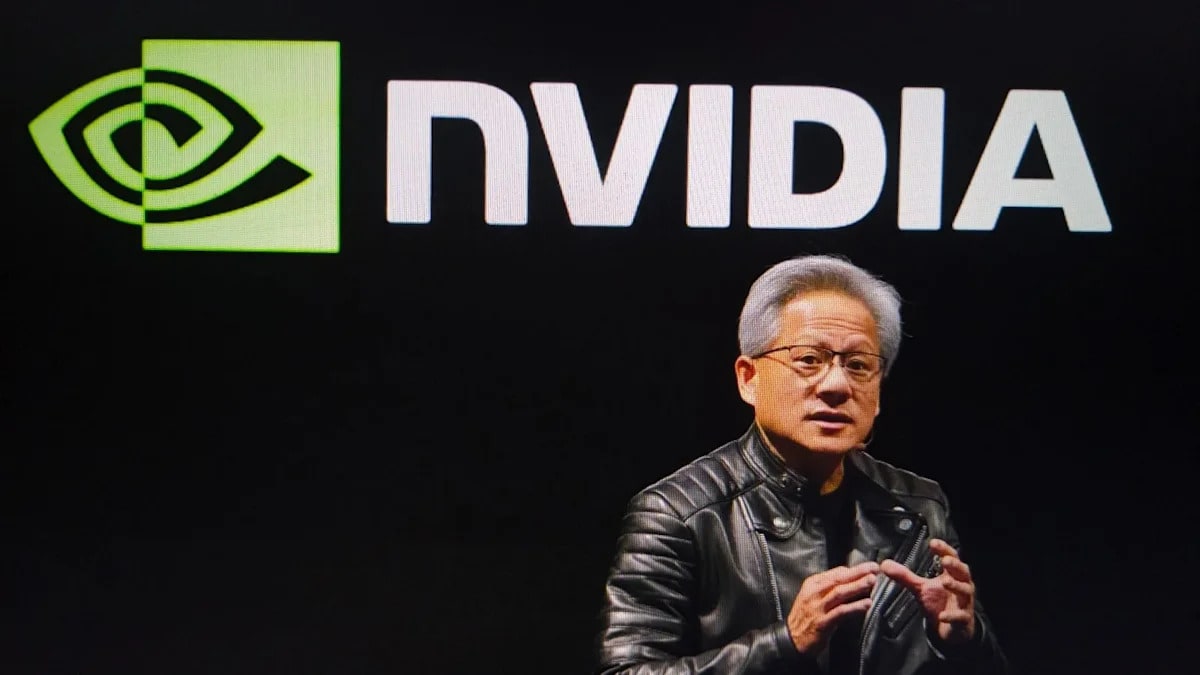
That dominance didn't happen overnight. Founded in 1993 as a graphics chip designer for the gaming industry, Nvidia has successfully transformed itself into the world's leading AI computing company. I...
Analysis of Nvidia's Market Position and Taiwan Risks
The provided report highlights a critical tension between Nvidia's current market dominance and its geographic dependencies. While Nvidia has successfully pivoted from its 1993 origins as a gaming graphics chip designer to become the vanguard of the AI revolution, this growth has created a concentrated risk profile that is now drawing scrutiny from investors.
The Evolution of Nvidia
Nvidia's transformation is one of the most significant pivots in corporate history. By leveraging its GPU architecture—originally designed for parallel processing in video games—the company found a perfect application for the massive computational needs of Large Language Models (LLMs) and deep learning. This transition has catapulted the company to the forefront of the global technology sector, making its hardware the gold standard for AI development.
The Taiwan Vulnerability
The "red flag" mentioned in the report refers to the systemic risk associated with Taiwan. Because Nvidia is a fabless semiconductor company, it does not own its own factories; instead, it relies almost entirely on Taiwan-based manufacturers, most notably TSMC, to produce its high-end AI chips. This creates a single point of failure: any instability in Taiwan—whether geopolitical, environmental, or economic—poses a direct and immediate threat to Nvidia's supply chain and, consequently, its stock valuation.
Conclusion
While Nvidia's technological lead remains formidable, the dependency on a single geographic region for manufacturing is a significant vulnerability. Investors must weigh the company's AI-driven growth and historical success against the inherent risks of its concentrated production pipeline in Taiwan.