Arming Taiwan an important US interest, Taipei official says after Trump-Xi summit
Source Entity
Latest News: Todays Latest News Headlines from India & World | Hindustan Times | Hindustan Times
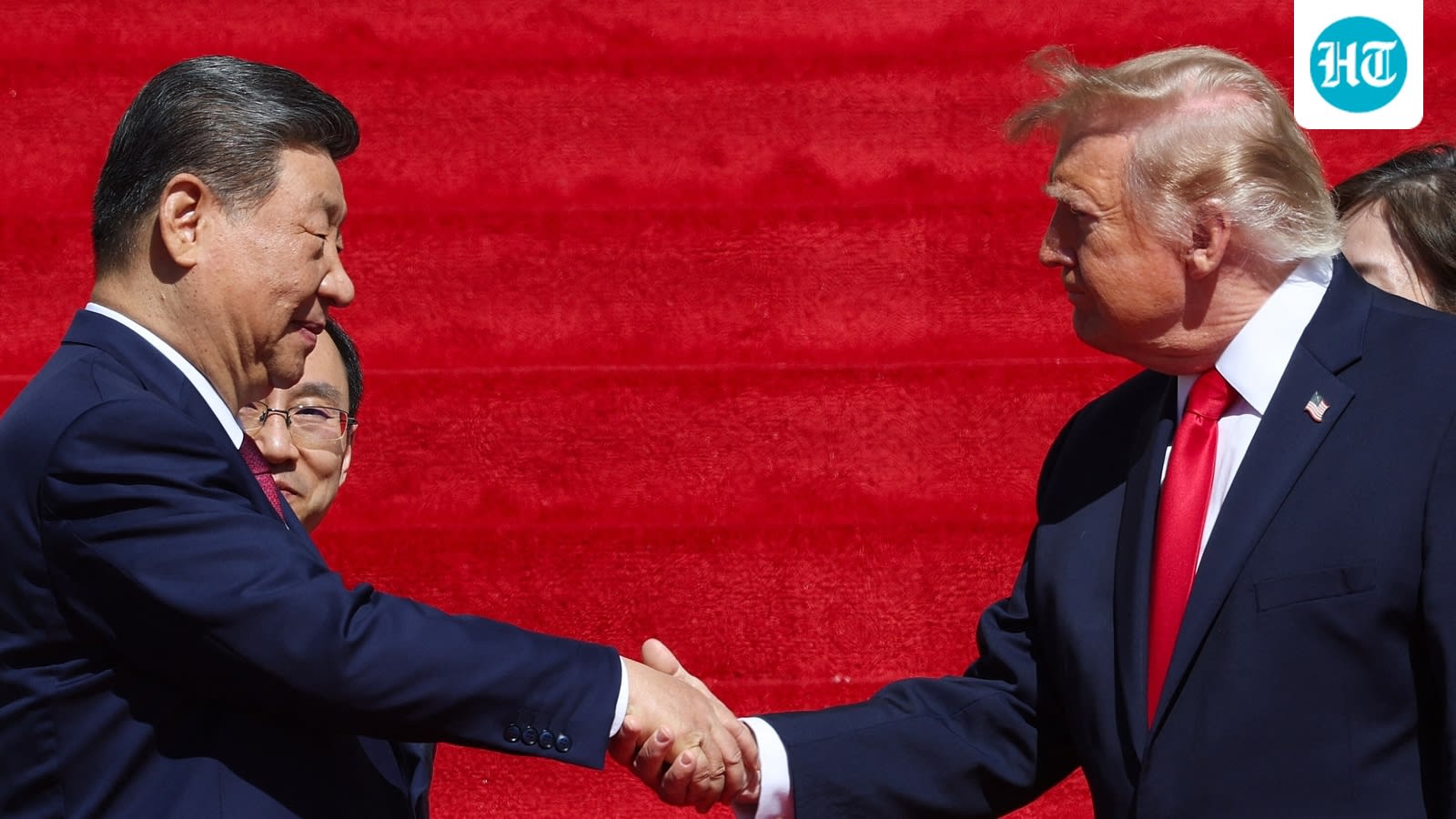
Following a recent US-China summit, a senior Taiwanese official emphasized that arming Taiwan is a vital US national interest. The statement underscores the ongoing tension over Taiwan's sovereignty and its critical role in global semiconductor supply chains.
The Strategic Calculus of US-Taiwan Relations
Following the conclusion of a three-day summit between President Donald Trump and Chinese President Xi Jinping in Washington, the geopolitical status of Taiwan has returned to the forefront of international discourse. While the summit concluded without significant public breakthroughs on major contentious issues, the underlying tensions regarding Taiwan—which Beijing views as its own territory—remain a primary friction point in US-China relations. During the summit, President Xi reiterated his position, urging the United States to uphold the "correct position" of opposing Taiwan’s independence.
The Diplomatic Response from Taipei
In the immediate wake of the summit, Deputy Foreign Minister Francois Wu of Taiwan provided a clear articulation of Taipei's perspective on its security relationship with Washington. Wu emphasized that the provision of US armaments to Taiwan is not merely a regional security measure but a fundamental US national interest. This assertion serves as a direct response to the diplomatic pressure exerted by Beijing during the high-level meetings in Washington.
Security and Global Economic Stakes
Beyond traditional military deterrence, the Taiwanese official linked the necessity of US support to the global semiconductor industry. Taiwan is the world's leading producer of advanced semiconductors, a technology that underpins the modern global economy, defense systems, and telecommunications. By framing the protection of Taiwan as a matter of securing the global supply of these critical components, Taipei is highlighting the economic stakes that make its stability an essential interest for the United States and the international community.
Historical Context and Current Friction
Historically, the US has maintained a "One China" policy while simultaneously adhering to the Taiwan Relations Act, which mandates that the US provide the island with the means to defend itself. The tension described in the recent summit highlights the delicate balancing act the US must perform. Beijing’s insistence that the US oppose independence represents a long-standing effort to isolate Taiwan diplomatically, while the US desire to maintain the status quo is driven by a mix of democratic values and strategic economic necessity.
Analyzing Future Geopolitical Trends
Looking forward, the rhetoric surrounding Taiwan is likely to remain high-stakes. As China continues to modernize its military and expand its influence in the Indo-Pacific, the question of how the US defines its "national interest" regarding Taiwan will be tested. If the US continues to prioritize the protection of Taiwan’s democratic autonomy and its role in the global technology supply chain, it will likely continue to face diplomatic resistance from Beijing, potentially leading to further standoffs in future bilateral summits.
Conclusion
The statements made by Deputy Foreign Minister Francois Wu reflect a strategic pivot by Taipei to ensure its security is viewed through a lens of global economic necessity rather than just regional politics. As the world becomes increasingly reliant on Taiwanese semiconductor manufacturing, the argument that Taiwan’s security is an American interest is likely to gain further traction in Washington, setting the stage for ongoing, complex negotiations between the US and China.
Verification Required?